info@labtron.com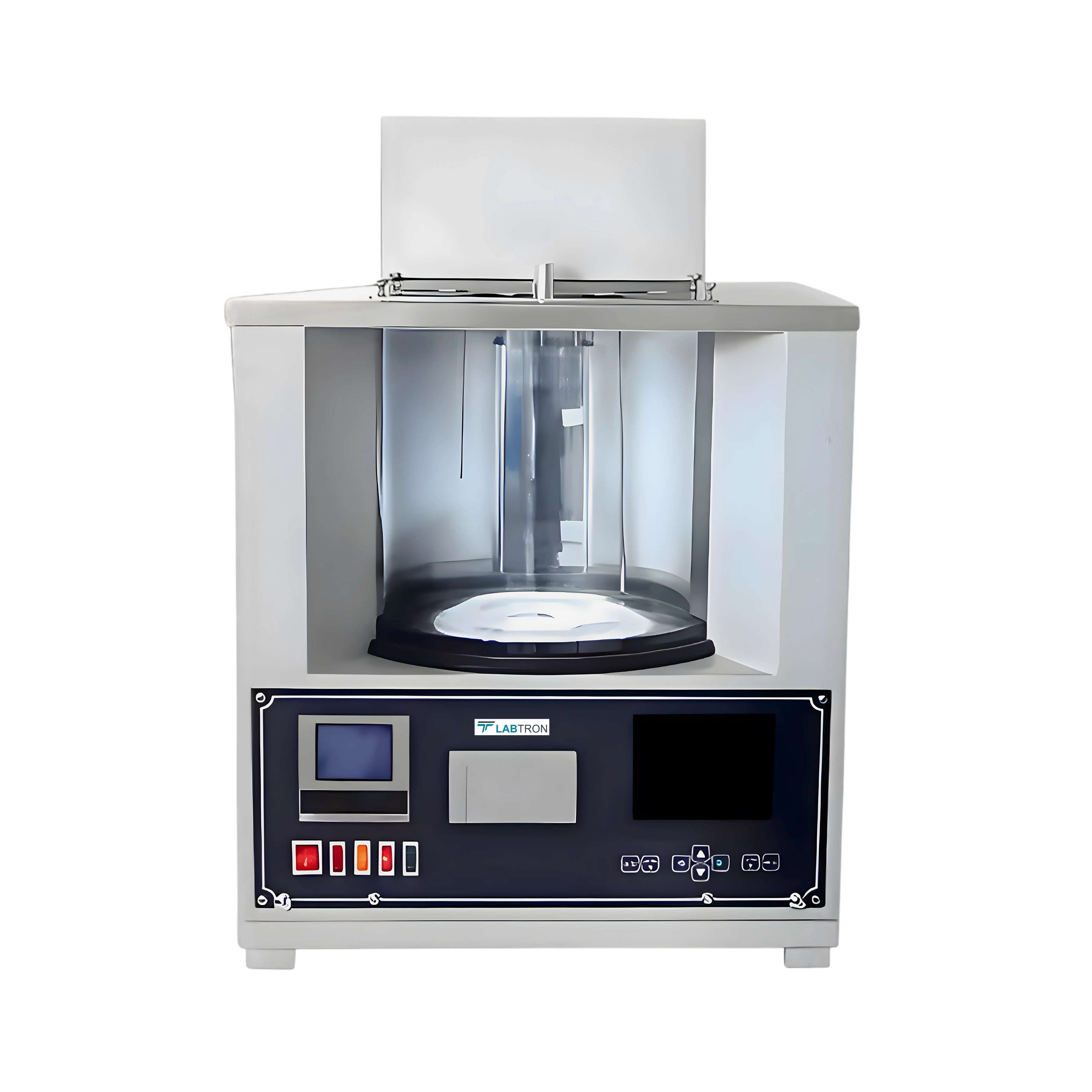

| Ambient temperature | -10°C to 35°C |
| Relative humidity | ≤ 85 % |
| Capillary viscometer (Pinkevitch viscometer) | 6 pieces in total |
| Stirring motor | 6 W, 1200 rpm |
| Sample quantity | 4 pieces at the same time |
| Measurement range | Ambient temperature to 100 °C |
| Bath cubage | 20 L |
| Temperature controlling accuracy | ± 0.1 °C |
| Timing range | 0.0 s to 9999.9 s |
| Timing accuracy | ≤ ± 0.05 % in 60 min |
| Inner capillary viscometer diameters | 0.6mm, 0.8mm, 1.0mm, 1.2mm, 1.5mm, 2.0mm |
| Power supply | AC (220±10%) V, 50Hz |
| Total power consumption | ≤1800W |
| Net Dimension | 530mm × 400mm × 670mm |
| Gross Dimension | 560mm × 530mm × 670mm |
| Net weight | 22 kg |
| Gross Weight | 36 kg |
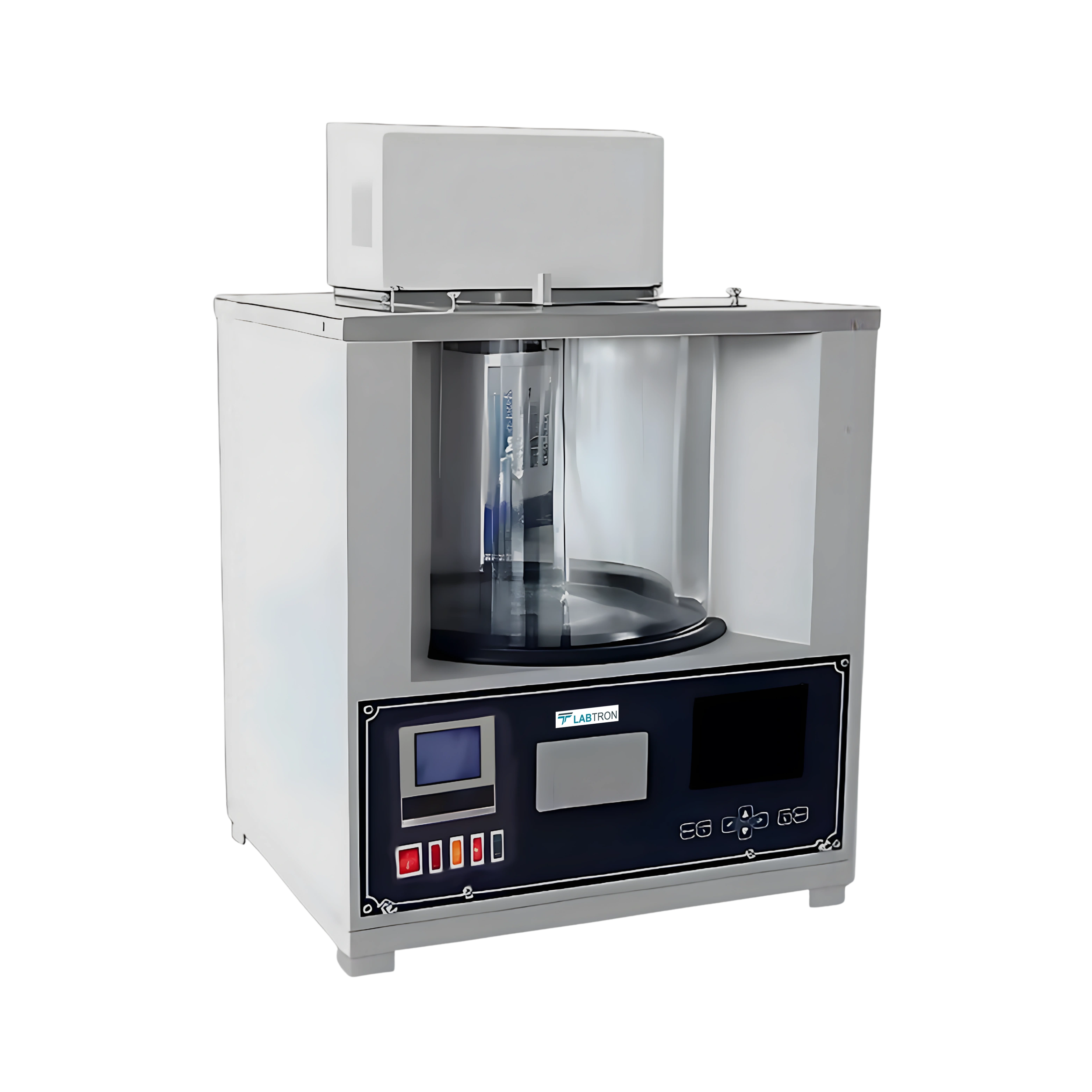
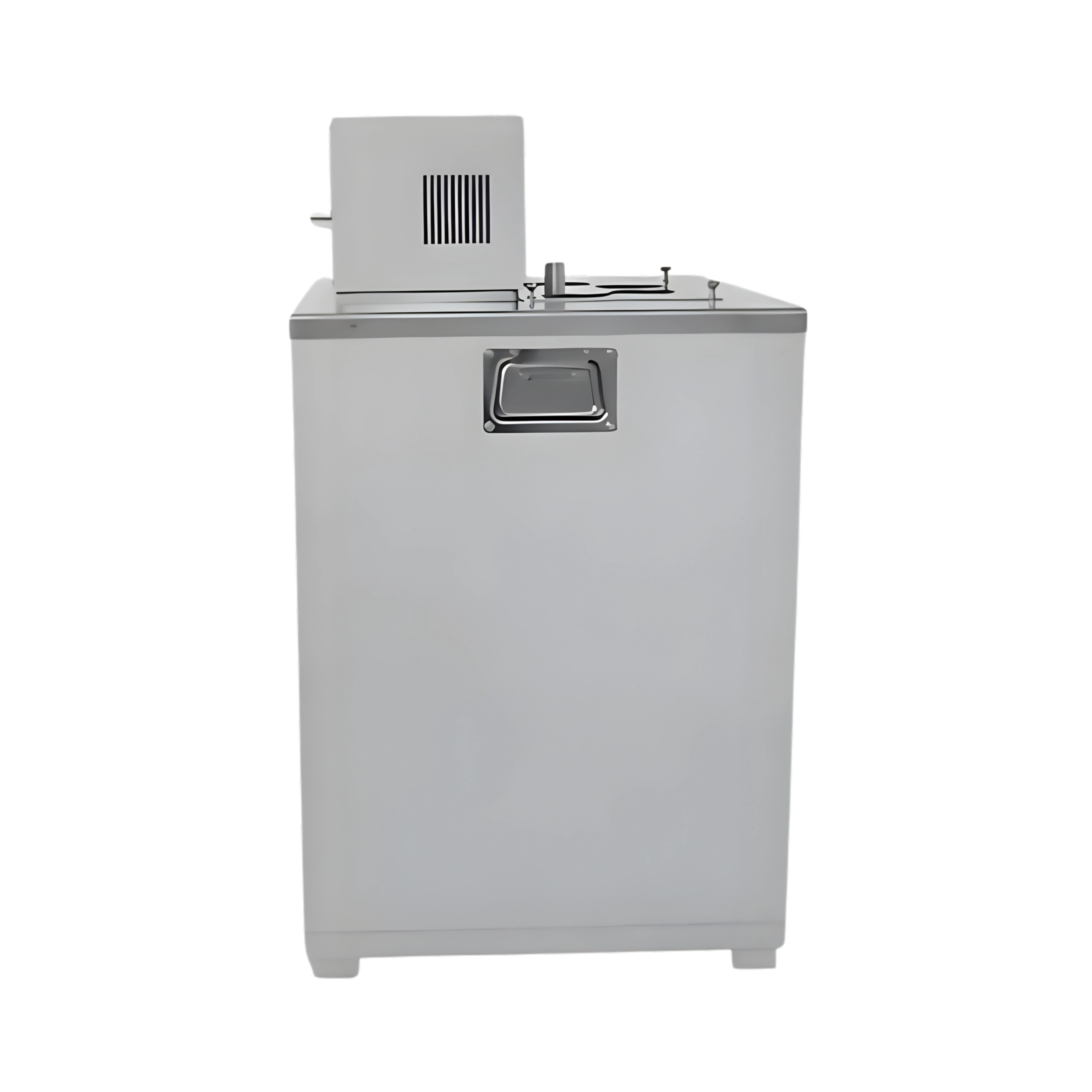
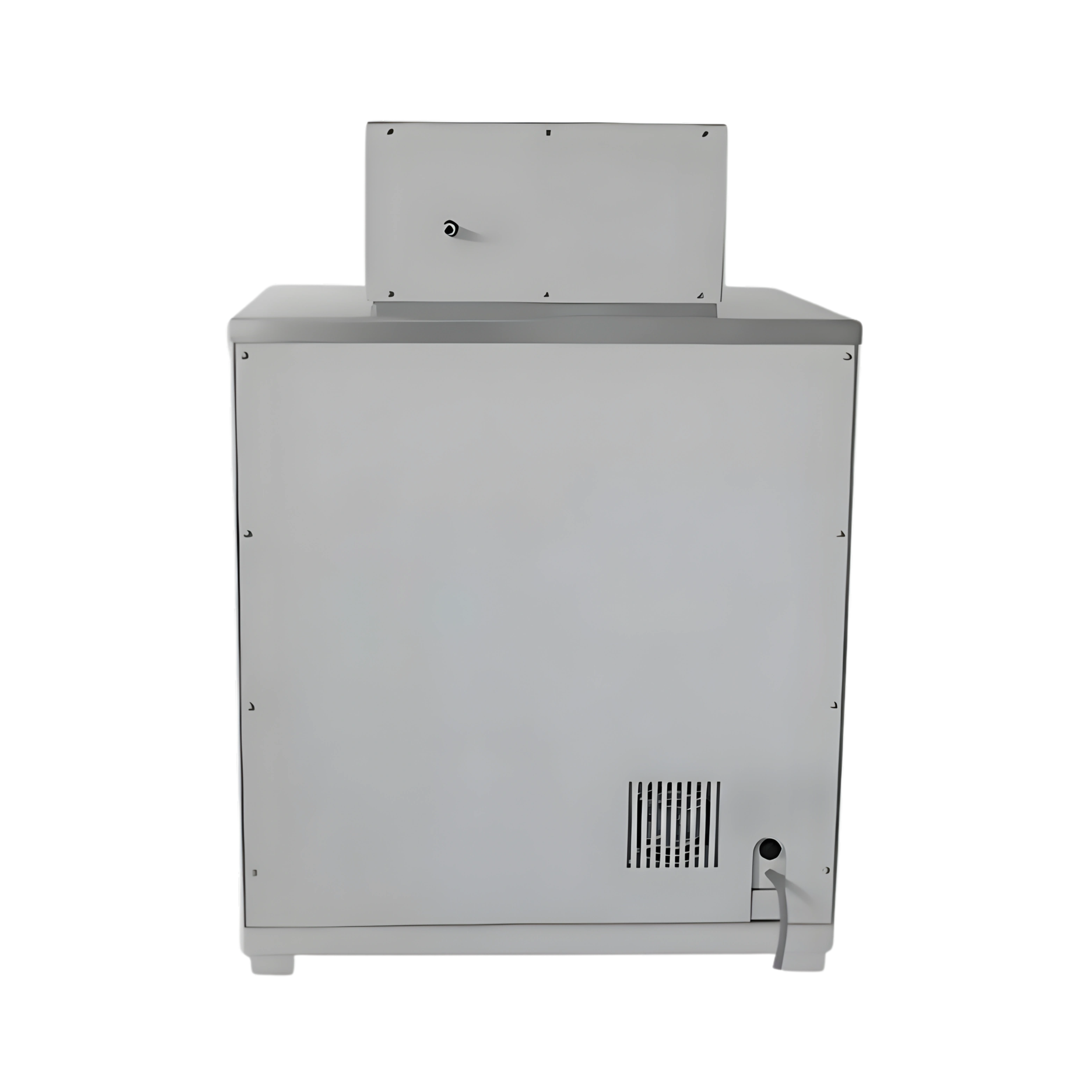
Our Kinematic Viscometer LKV-A15 is an indispensable tool for laboratories engaged in fluid dynamics and material properties analysis. It is widely used for determining the density of crude oil and petroleum-based liquids.
Labtron Kinematic Viscometer is specialized to measure dynamic viscosity to fluid density, providing insight into flow behavior under gravity. Their design includes calibrated capillary tube for accurate liquid movement measurement. They feature digital readouts for quick and clear visibility of viscosity results during testing. Their motorized system ensures smooth and uniform rotation for reliable viscosity results. Our Kinematic Viscometer is suitable for crude and refine oil, food and beverages and for pharmaceuticals.
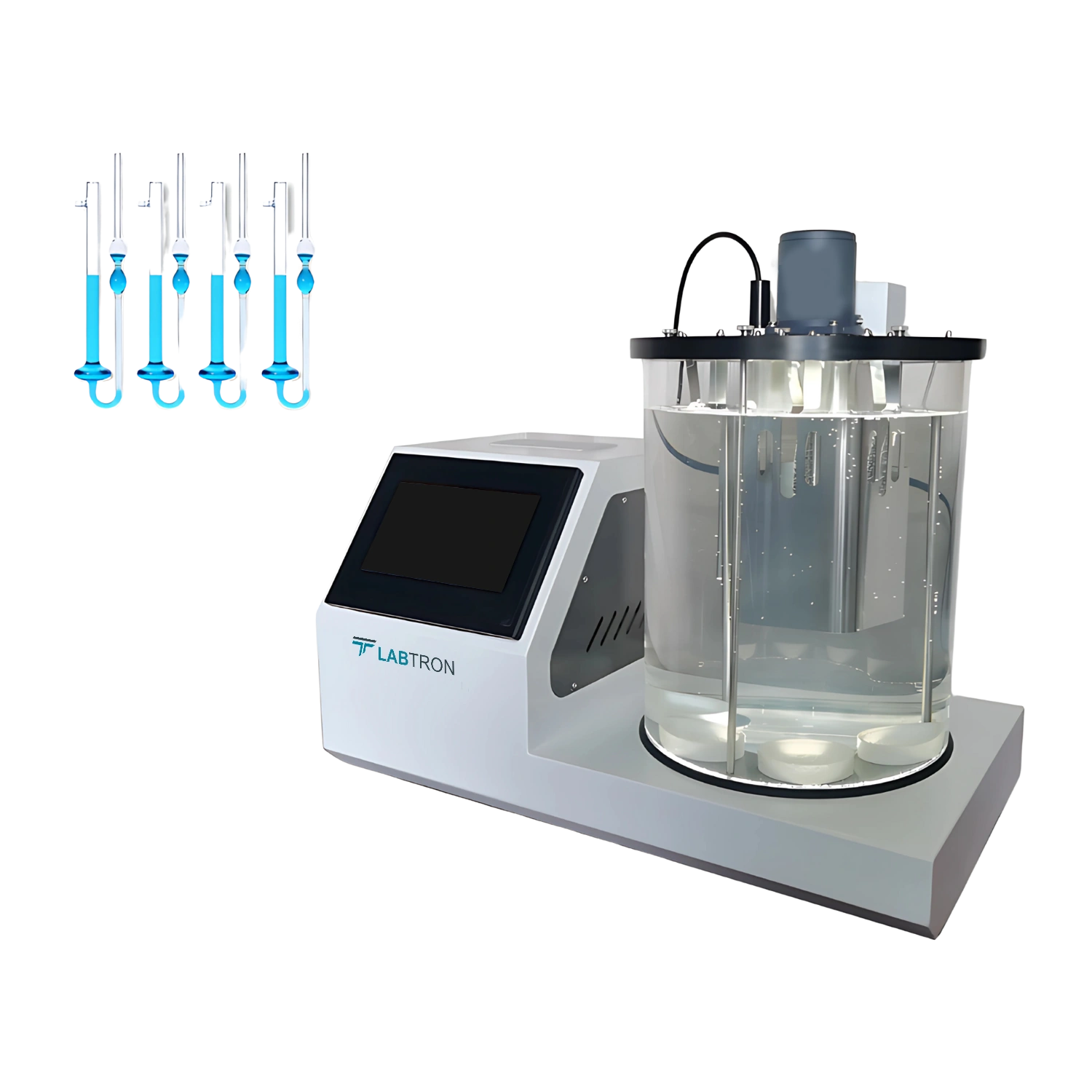


Labtron recommends that the sample for the Kinematic Viscometer LKV-A15 should be transparent, homogeneous, and free of suspended solids, as such impurities can clog the capillary and distort flow time. The sample should be equilibrated to the intended testing temperature or preconditioned if it is temperature-sensitive. Air bubbles must be avoided during loading, and filtration through an appropriate pore size is advised for samples containing fine sediments. However, over-handling should be avoided, as it can alter fluid properties. It delivers optimal accuracy when sample volume and preparation steps are standardized under strict SOPs.
The Kinematic Viscometer LKV-A15 is suitable for testing a variety of non-petroleum fluids including bio-based esters, vegetable oils, synthetic lubricants, and silicone oils, provided these fluids are Newtonian, transparent, and compatible with glass capillaries. These materials may require modified cleaning protocols due to their differing volatility or oxidation sensitivity. It is important to ensure they do not interact adversely with the bath fluid or cause residual buildup. It should be calibrated using viscosity standards that closely match the test fluid’s viscosity range to ensure result accuracy.
Our Kinematic Viscometer LKV-A15 requires capillaries to be thoroughly cleaned after each test using solvents that match the sample type and do not damage the glass. After cleaning, the tubes should be dried completely to prevent dilution of subsequent samples. Abrasive cleaning is discouraged; instead, ultrasonic baths or solvent flushing should be used when needed. Users should log capillary usage and check calibration constants periodically. Any signs of flow irregularity, residue, or cloudiness indicate the need for inspection, requalification, or replacement to maintain the integrity of readings.
The Kinematic Viscometer LKV-A15 includes a set of 11 capillaries, each with unique flow characteristics and calibration coefficients. When switching tubes, users must ensure that the correct calibration constant is selected or input into the system before testing begins. Performing a verification test with a known reference fluid after installing a new tube can help confirm measurement accuracy. Inconsistent results may also indicate physical issues such as chips, obstructions, or incomplete cleaning. Training on careful handling and storage of capillaries reduces measurement errors during tube changes.
Labtron Kinematic Viscometer LKV-A15 can produce highly precise viscosity measurements, but several user errors can compromise accuracy. These include selecting an incorrect capillary tube for the sample's viscosity, not cleaning or drying the tube properly, and starting tests before thermal equilibrium is achieved. Operating the unit with degraded bath fluid or failing to regularly calibrate with reference standards can also cause drift in results. To avoid these issues, we advise users to follow SOPs rigorously, maintain regular calibration schedules, and ensure operators receive proper training in instrument use and maintenance.
Post your question?
Our experts are here to help!
Labtron Equipment Ltd., Quatro House, Lyon Way, Camberley, Surrey GU16 7ER United Kingdom
Email: info@labtron.com Whatsapp: +44 73 4441 2688 Phone: +44 2080 043608