 info@labtron.com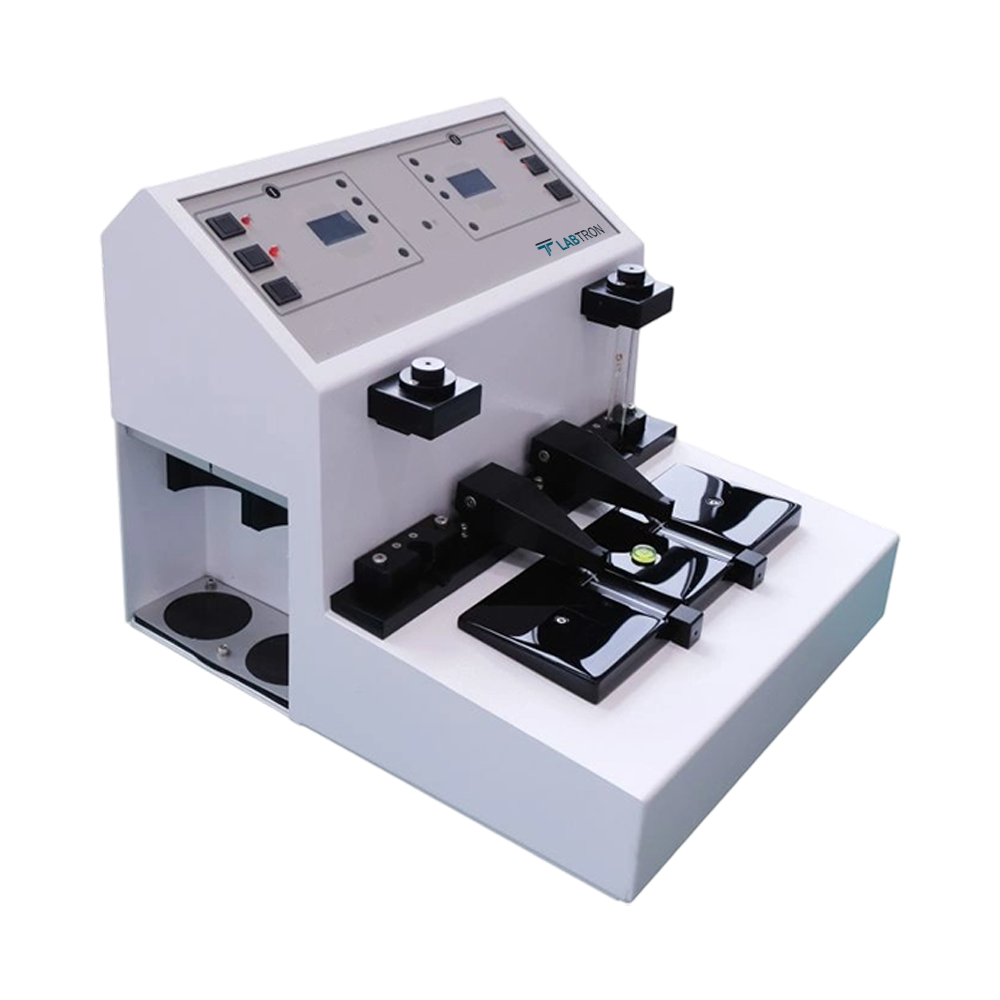

| Wear Particle Measurement Range | 0 to 800 μm |
| Injection Method | Micro pump pressure type, automatic sampling |
| Cleaning Method | Automatic cleaning and manual cleaning |
| Magnetic Field | Maximum magnetic flux density 1.5T (±0.1T), maximum magnetic field gradient less than 0.5T/mm |
| Spectrum-making Channel | Dual-channel synchronous spectroscopy |
| Plate Inclination | 1° to 5° |
| Oil Sample Transfer Speed | 10 to 30 ml/h |
| Cleaning Agent Flow Rate | 10 to 30 ml/h |
| Measurement Resolution | 1 μm |
| Sample Size for a Single Analysis | 1 ml |
| Oil Delivery Pipe Size | Outer diameter 2.6 mm, inner diameter 1.8 mm |
| Ferrographic Substrate Size | 60 × 24 × 0.17 mm |
| Display | 1.54 inch OLED display |
| Dimensions | 395 × 355 × 335 mm |
| Packaging Dimensions | 503 × 453 × 392 mm |
| Net Weight | 14 Kg |
| Gross Weight | 22.2 Kg |
Adjustable sample rate
Accurate analysis with graph
Compact design
2 sample testing options
User-friendly design
Analytical Ferrograph LAFG-A11 used to monitor and analyze the reliability and predict the potential failure in lubrication parts. Our Ferrograph has applications in various fields, including the transportation industry, iron and steel industry, electric power industry, and the navy defense industry.
Download catalog for
Analytical Ferrograph LAFG-A11 Catalog
Analytical Ferrograph are used for accurate and reliable prediction of the wear and potential failure of machine lubricants. These ferrographs are mainly used for image analysis of wear particles in lubricating oil. Their principle of testing and analysis is done by using the magnetic field to separate the ferromagnetic wear particles and adhesive particles present in the lubricating oil. These provide accurate results and have computer connectivity. Our Ferrograph transportation industry, iron and steel industry, electric power industry, and navy defense industry as well.
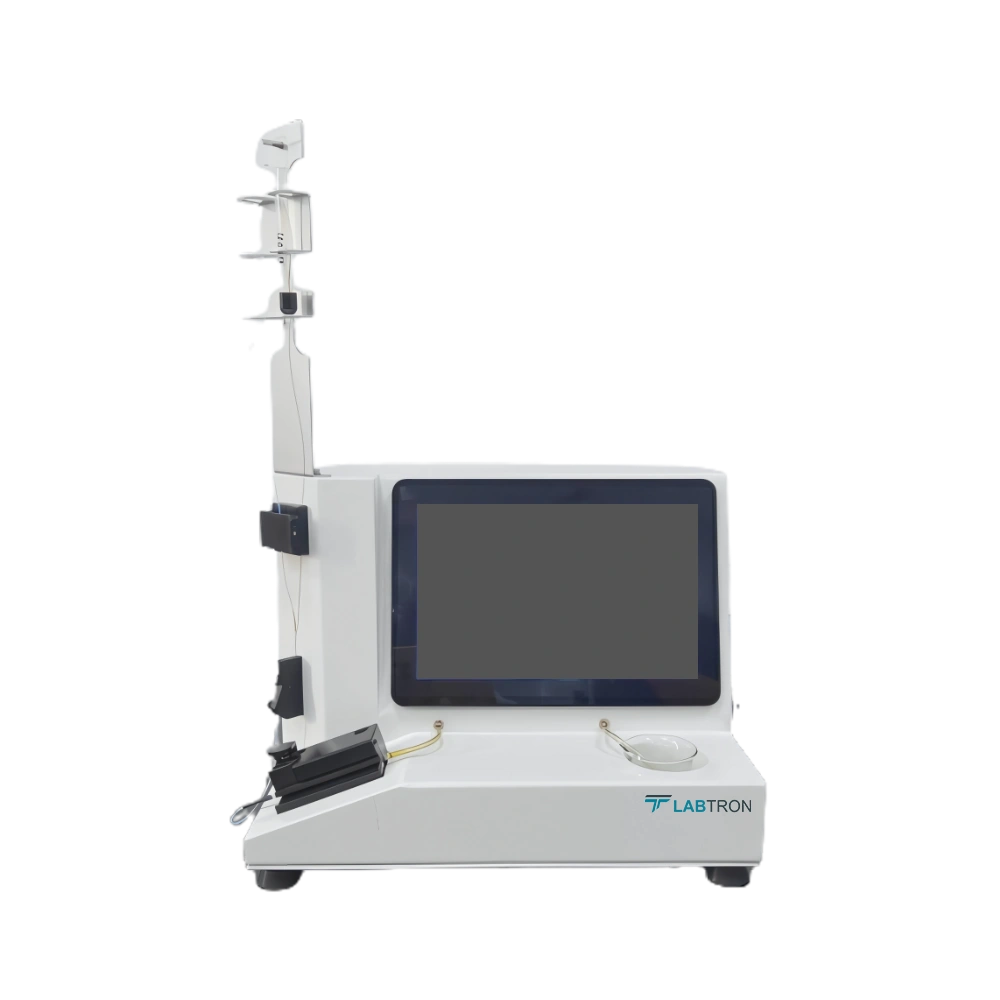
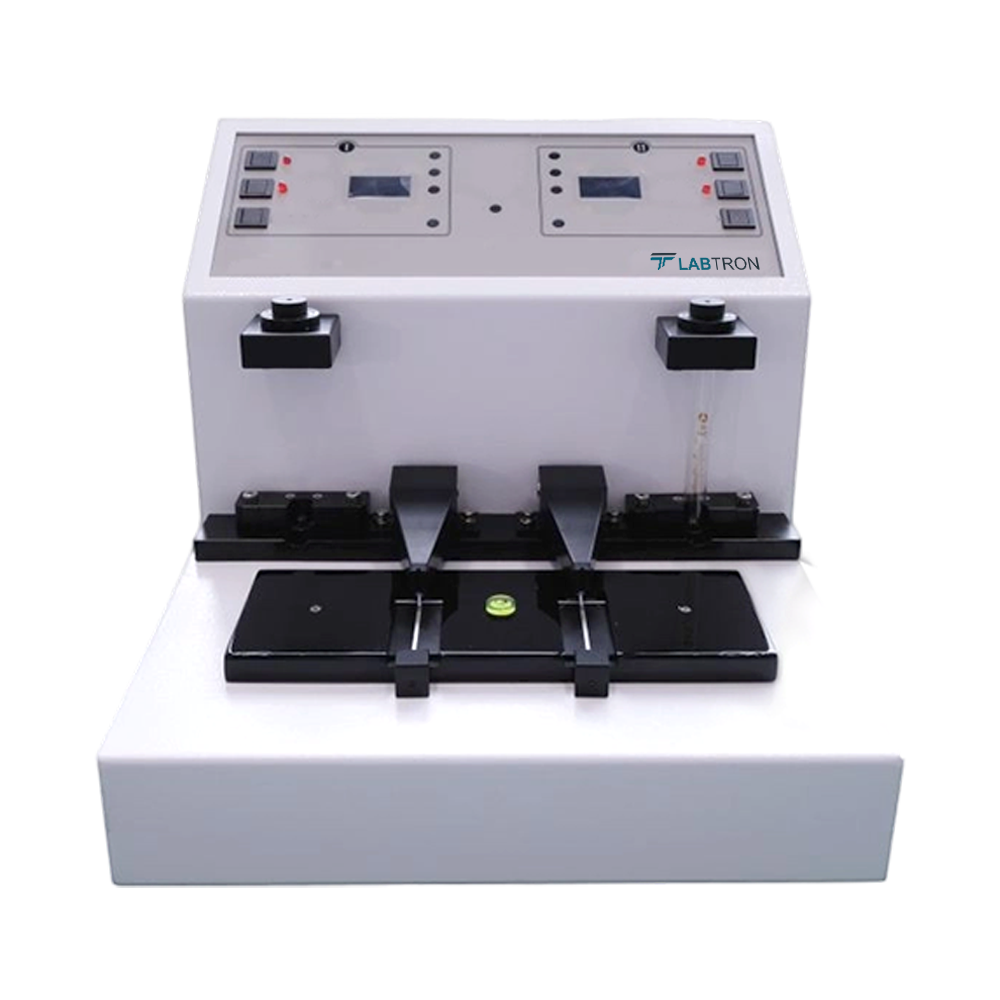
Labtron’s Analytical Ferrograph LAFG-A11 operates using a magnetic field to separate ferrous wear particles from oil samples. As oil flows across a slide placed over a magnetic gradient, metal particles align and deposit based on size and magnetic strength. The system performs dual analysis—quantitatively measuring particle concentration and qualitatively analyzing particle morphology under a microscope. This allows detection of abnormal wear patterns, helping maintenance teams identify early equipment issues and avoid unscheduled downtime.
The Analytical Ferrograph LAFG-A11 stands out due to its dual-functionality, offering both quantitative and qualitative wear analysis in a single system. It combines precise particle concentration measurement with high-resolution imaging for wear particle characterization. The system may also feature enhanced automation, improved magnetic field control, and advanced software for image capture and interpretation. This makes the Analytical Ferrograph LAFG-A11 ideal for in-depth diagnostics in high-performance environments such as aerospace, marine, and heavy industrial equipment maintenance.
Labtron’s Analytical Ferrograph LAFG-A11 detects a wide range of ferrous and non-ferrous particles, including cutting wear, sliding wear, fatigue particles, rust, and contaminants. Ferrous particles are aligned and deposited using a magnetic field, while non-magnetic particles may also appear and be examined during microscope analysis. These insights allow users to distinguish between different failure mechanisms and better understand wear progression, which supports more accurate and timely maintenance decisions.
The Analytical Ferrograph LAFG-A11 typically requires 8–10 milliliters of oil per test. The sample must be well-agitated to evenly distribute wear particles. For thick or degraded oils, dilution with a suitable solvent improves flow and helps achieve uniform particle separation. Proper sample preparation is critical to ensure the ferrogram accurately represents machine condition. Following recommended preparation procedures results in consistent, interpretable ferrogram that support reliable wear analysis.
Labtron’s Analytical Ferrograph LAFG-A11 requires regular cleaning of the sample delivery system, deposition slide, and microscope components to maintain data accuracy and prevent contamination. Calibration involves verifying quantitative particle counts using standard reference samples and ensuring the microscope provides clear, aligned images. Some systems may include automated features that assist with calibration and diagnostics. Routine upkeep as per the manufacturer’s guidelines ensures long-term reliability and optimal performance for machinery health monitoring.
The Analysis Ferrograph works by separating magnetic particles from oil sample using a strong magnetic field. As the oil flows over a glass slide in the magnetic field, ferrous particles align and deposit based on size and magnetic strength. The resulting ferrogram is then examined under a microscope. This method enables detection of wear patterns and particle morphology, allowing users to identify abnormal wear processes and monitor machinery condition for preventive maintenance planning.
An Analysis Ferrograph can identify ferrous and some non-ferrous particles, such as oxides, cutting wear, fatigue wear, spherical particles, and contaminants. Although the magnetic field primarily separates ferrous debris, non-magnetic particles may still be visually observed. By analyzing particle shape, size, and color under a microscope, technicians can determine specific wear mechanisms, helping to diagnose equipment problems such as abrasion, corrosion, or lubrication failure at an early stage.
A ferrogram is a microscope slide with deposited wear particles collected during the ferrography process. It is used to visually inspect particle characteristics like size, shape, texture, and distribution. Different types of wear generate distinctive particle features, which can be interpreted to identify the source and severity of wear. Ferrogram analysis provides detailed insights into machinery health, offering critical diagnostic information that helps maintenance personnel prevent failures and improve equipment reliability.
Typically, the Analysis Ferrograph requires 5 to 10 milliliters of oil. The sample should be thoroughly agitated to suspend particles evenly. For high-viscosity oils, dilution with a compatible solvent may be necessary to ensure smooth flow and effective particle separation. Proper sample preparation is vital for generating accurate and representative ferrograms. It ensures that both large and small particles are adequately deposited, providing meaningful diagnostic data about the machinery’s wear condition.
Regular maintenance includes cleaning the sample delivery system, deposition slide, and magnetic assembly to prevent residue buildup and cross-contamination. The microscope optics must be kept clean and properly aligned. Calibration is typically visual and involves comparing ferrograms to known reference samples to maintain interpretation consistency. Some systems may include automated image analysis, which should be checked periodically for accuracy. Following a routine maintenance schedule ensures the ferrograph remains reliable for ongoing wear monitoring and diagnostics.
Post your question?
Our experts are here to help!
Labtron Equipment Ltd., Quatro House, Lyon Way, Camberley, Surrey GU16 7ER United Kingdom
Email: info@labtron.com Whatsapp: +44 73 4441 2688 Phone: +44 2080 043608