 info@labtron.com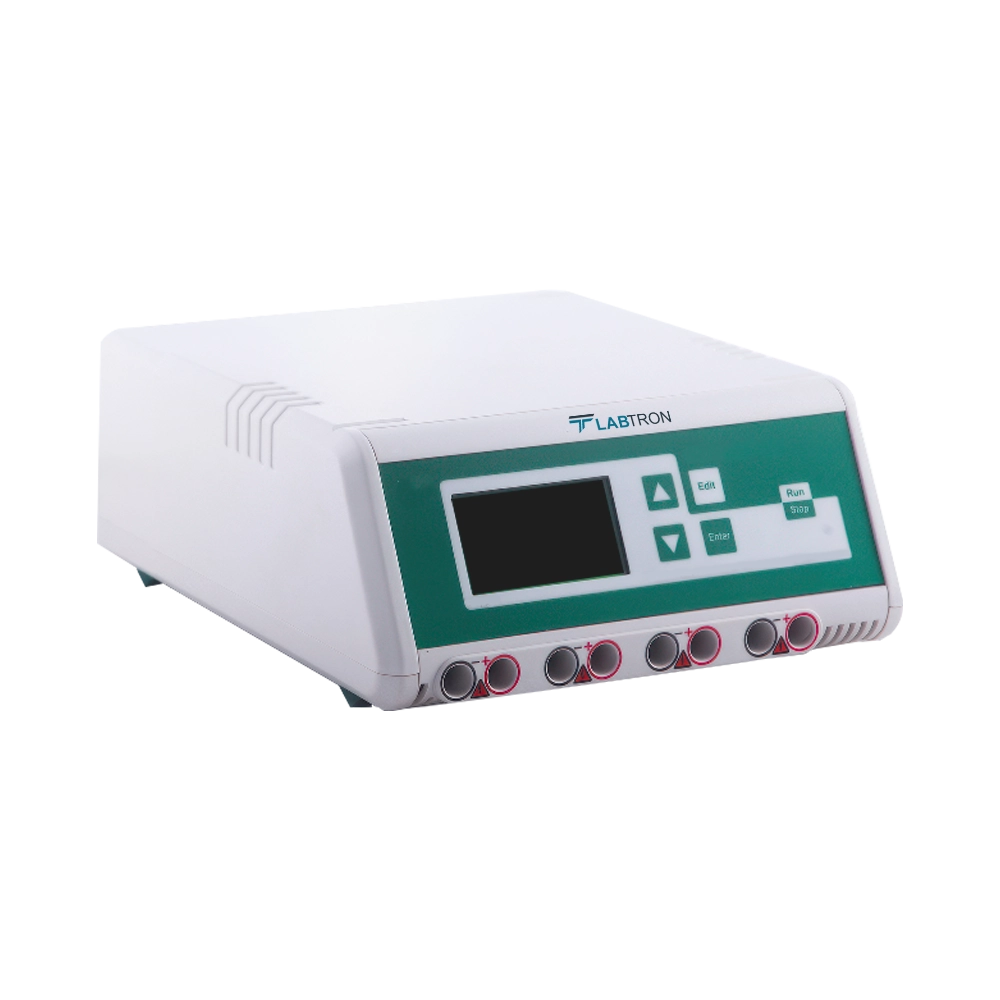

| Voltage Range | 10 to 300 V |
| Current Range | 1 to 1500 mA |
| Power Range | 1 to 450 W |
| Storage Function | Store 10 Methods |
| Timer Range | 1 min to 99 hr 59 mins |
| Output Jacks | Two Sets |
| Dimension (L × W × H) | 280 × 237 × 118 mm |
| Weight | 3.2 kg |
Intuitive touchscreen operation
Low power consumption
Real-time error alerts
Multi-mode operation settings
Rapid electrophoresis processing
Electrophoresis Power Supply LEPS-A14 separates nucleic acids or proteins by breaking their secondary structures, ensuring separation based on size. It is used in molecular biology, genetic research, and protein analysis for mutation detection, and denatured protein studies.
Download catalog for
Electrophoresis Power Supply LEPS-A14 Catalog
Available Range :
Electrophoresis Power Supply LEPS-A14 : 10 to 300 V Electrophoresis Power Supply LEPS-A15 : 10 to 600 V Electrophoresis Power Supply LEPS-A17 : 30 to 1000 V Electrophoresis Power Supply LEPS-A12 : 5 to 200 V Electrophoresis Power Supply LEPS-A13 : 5 to 300 V Electrophoresis Power Supply LEPS-A22 : 5 to 600 VLabtron Electrophoresis Power Supply has efficient power management, optimizing energy consumption to ensure long-lasting and reliable performance without unnecessary power waste. These have quick setup operations, allowing users to initiate experiments effortlessly, reducing preparation time, and improving workflow efficiency. Their high stability performance maintains consistent voltage and current, ensuring precise and reproducible results across multiple tests. They feature safety protection features incorporating advanced safeguards, such as overheating prevention and short-circuit protection, providing safe and secure operation. Our electrophoresis power supply has an energy-efficient operation and minimizes power usage while maintaining high functionality, cost-effectiveness, and environmental friendliness for long-term laboratory use.
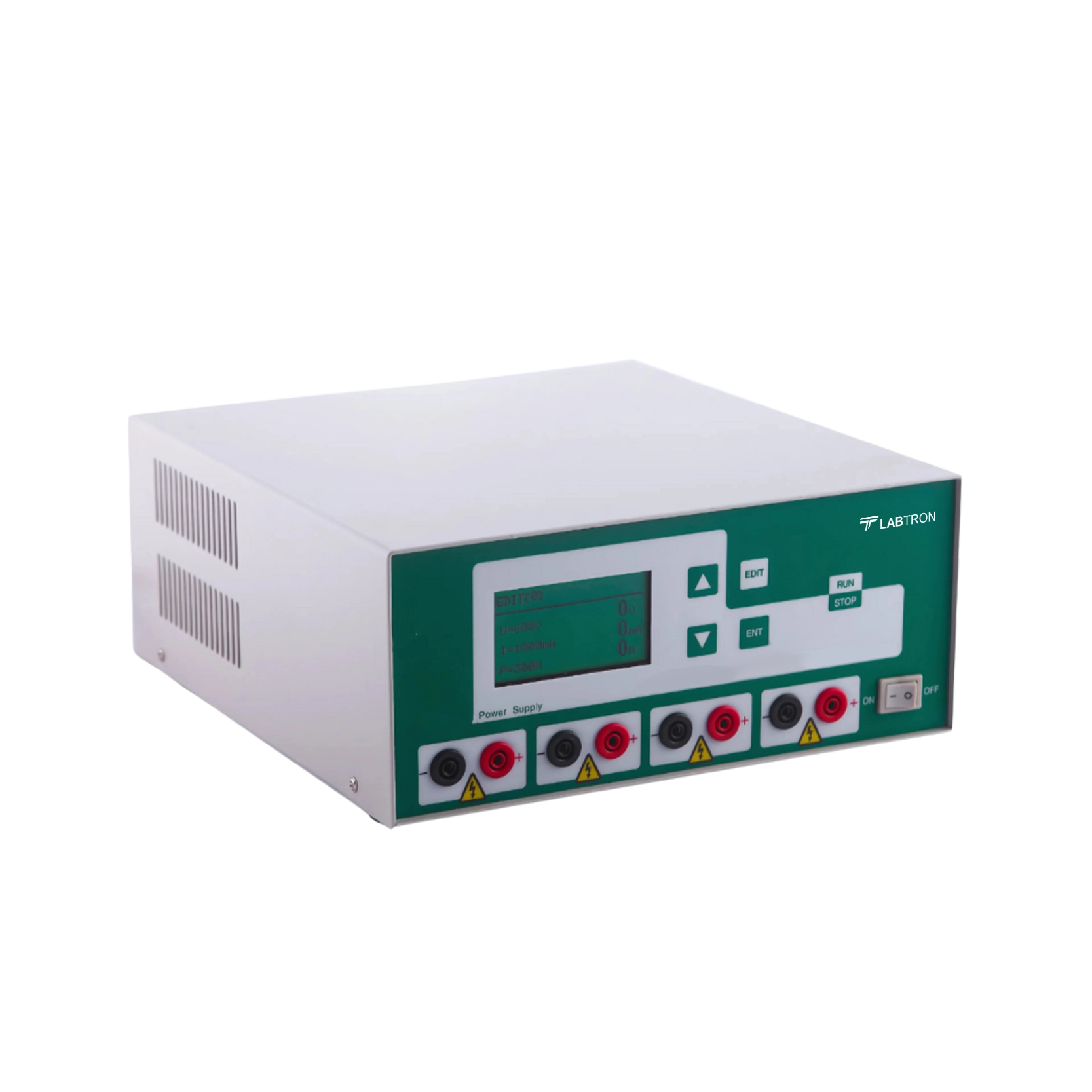
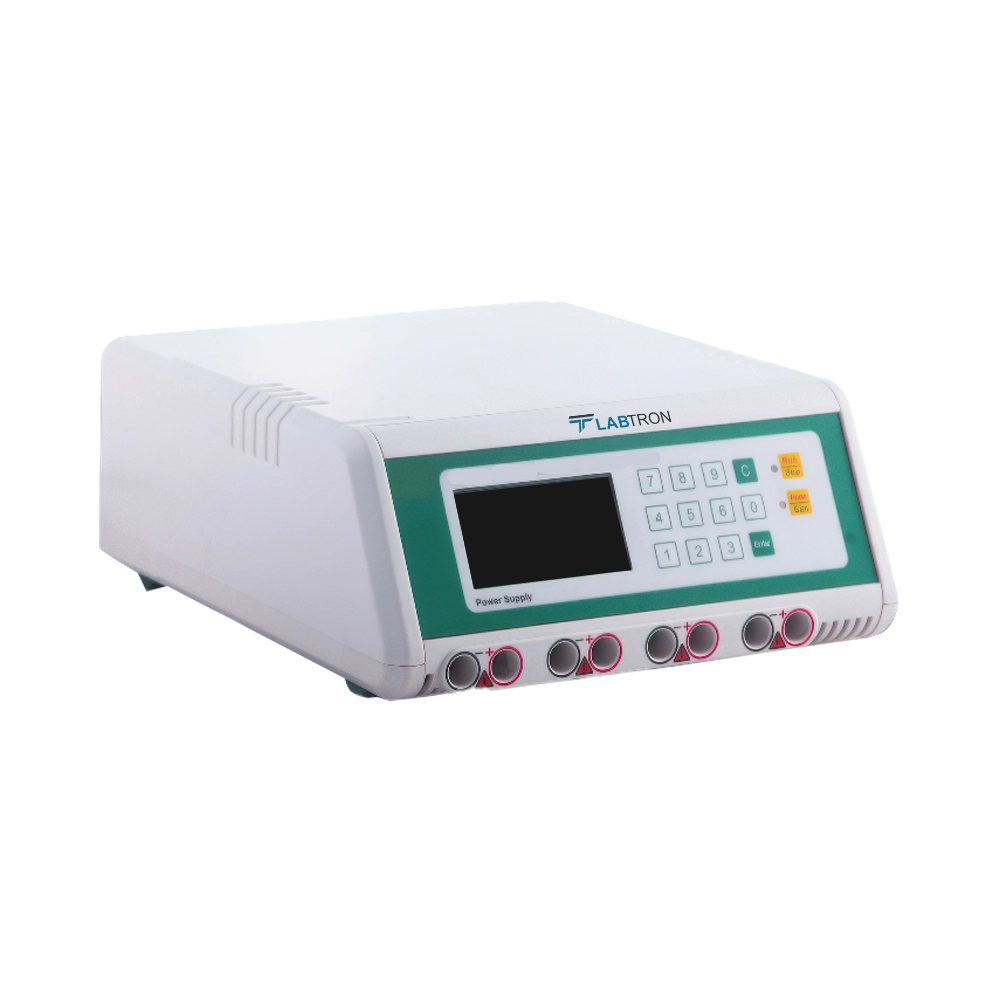
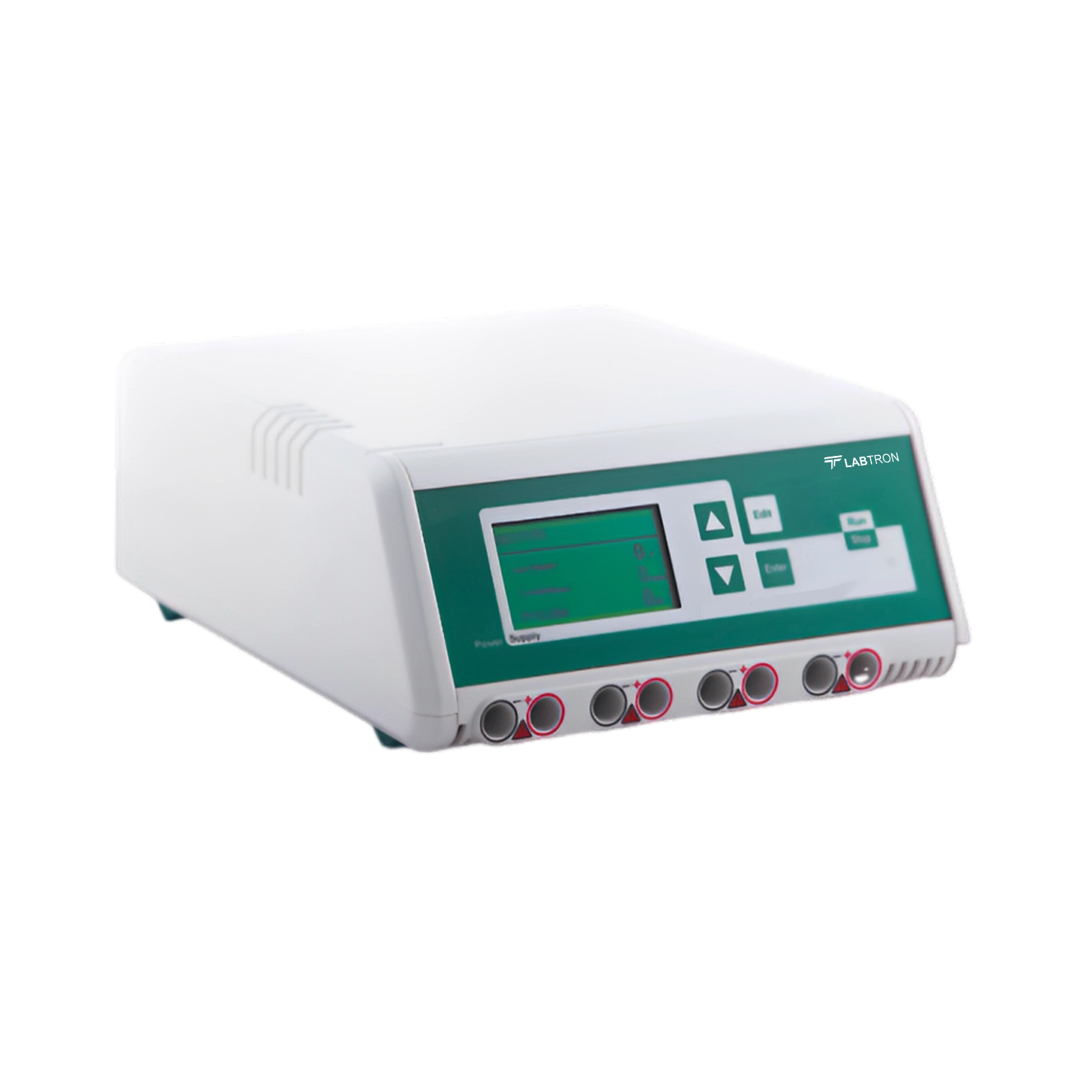
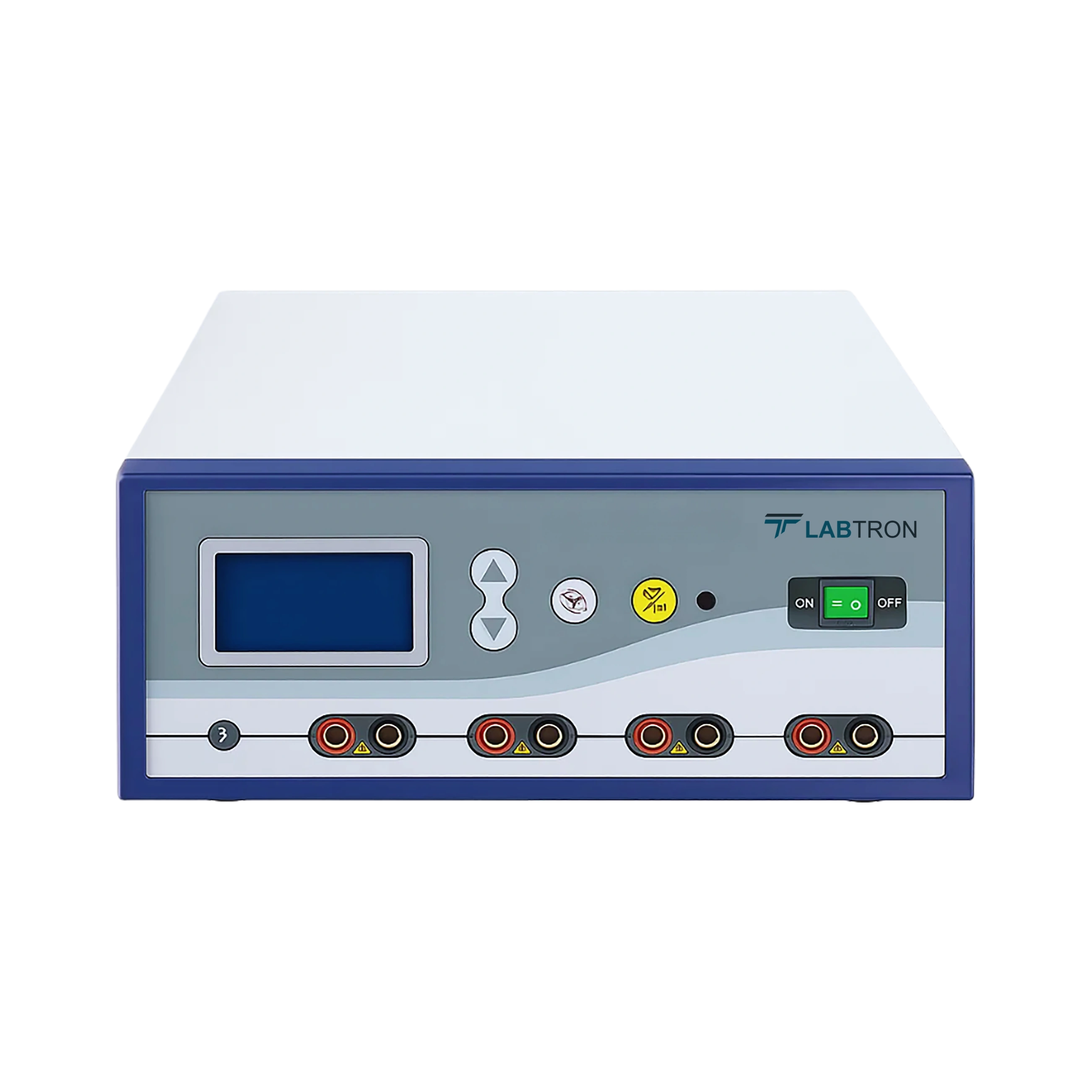
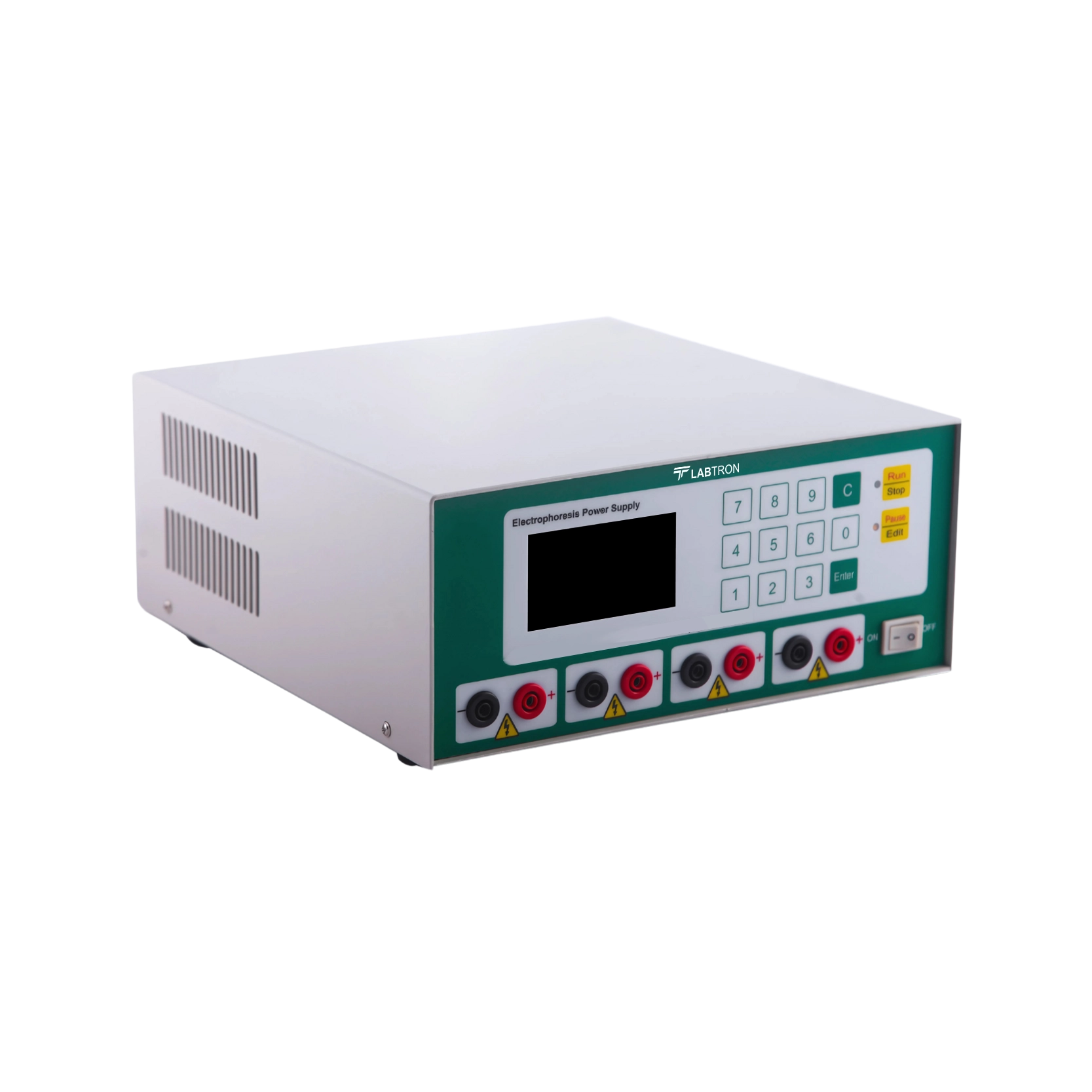
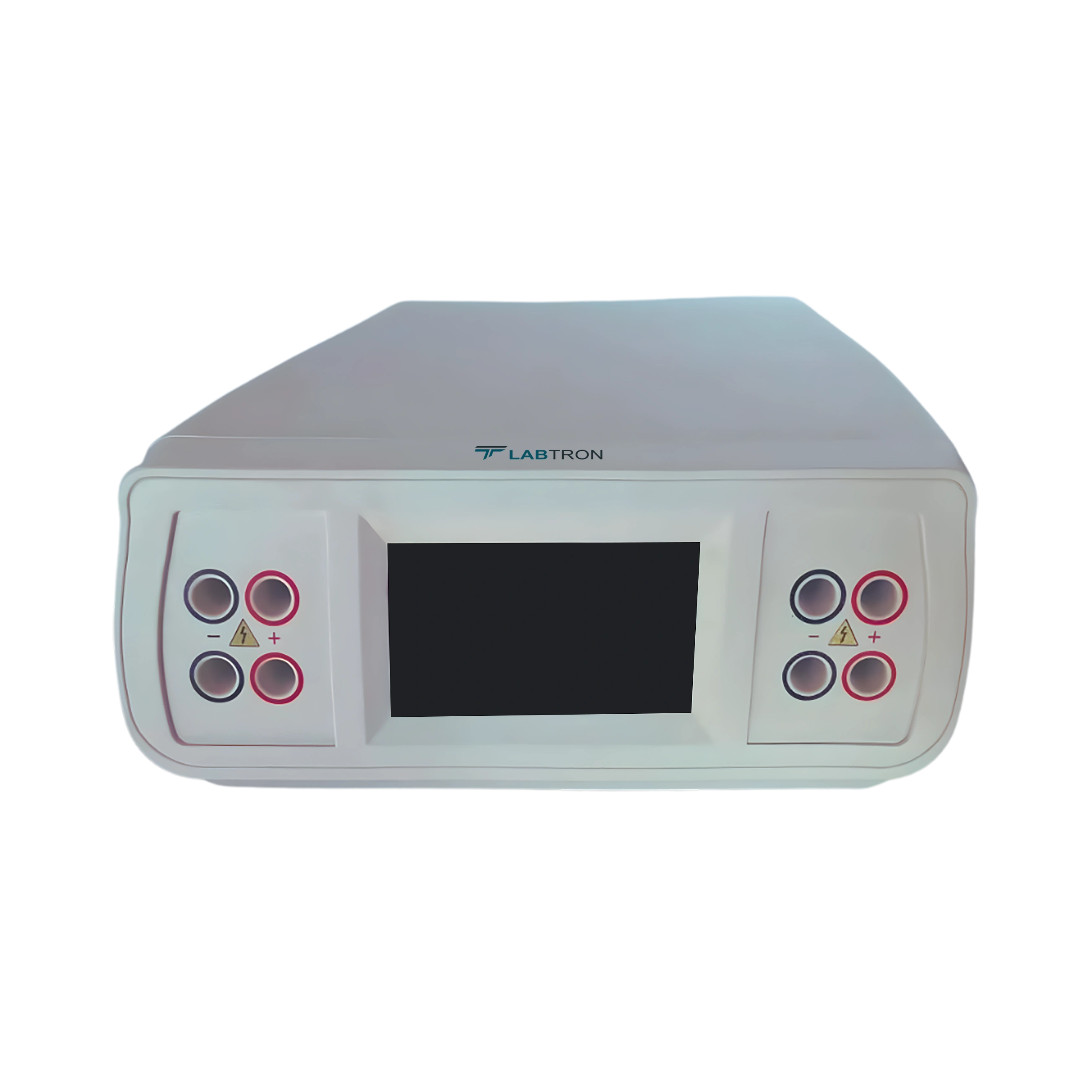
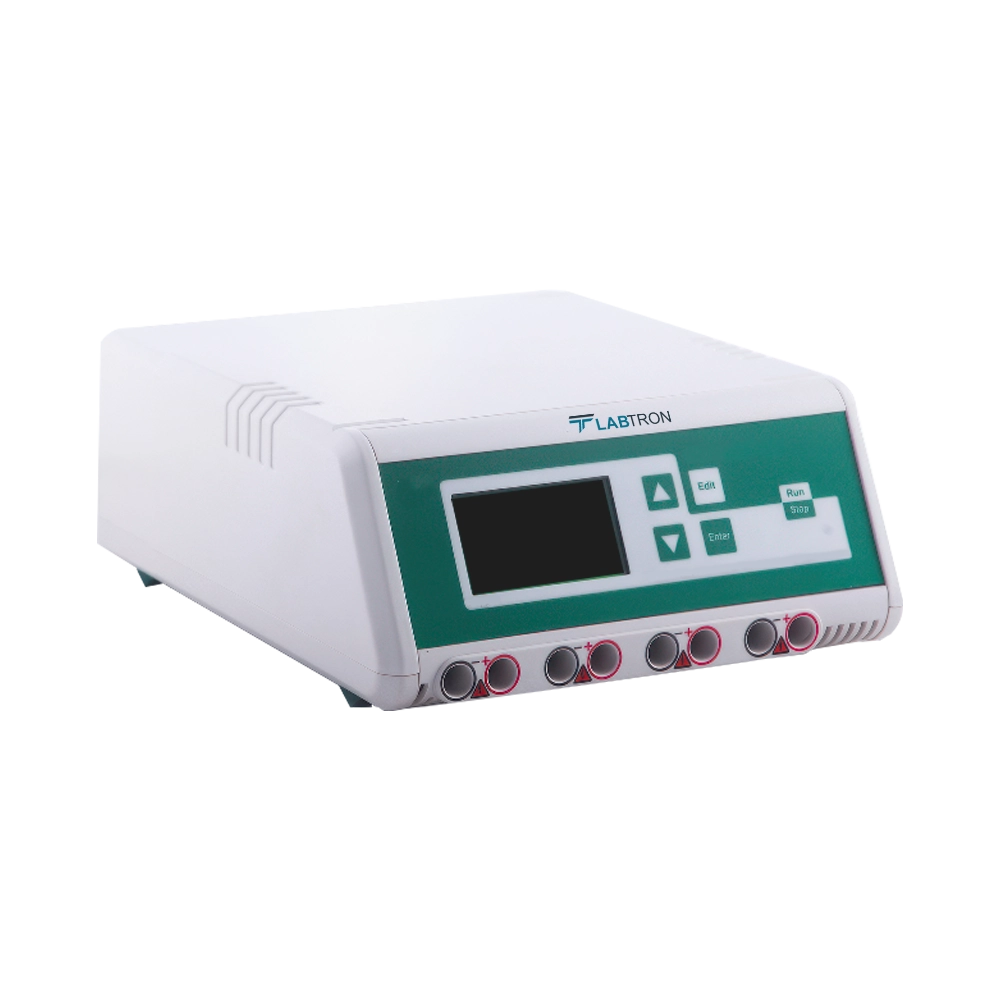
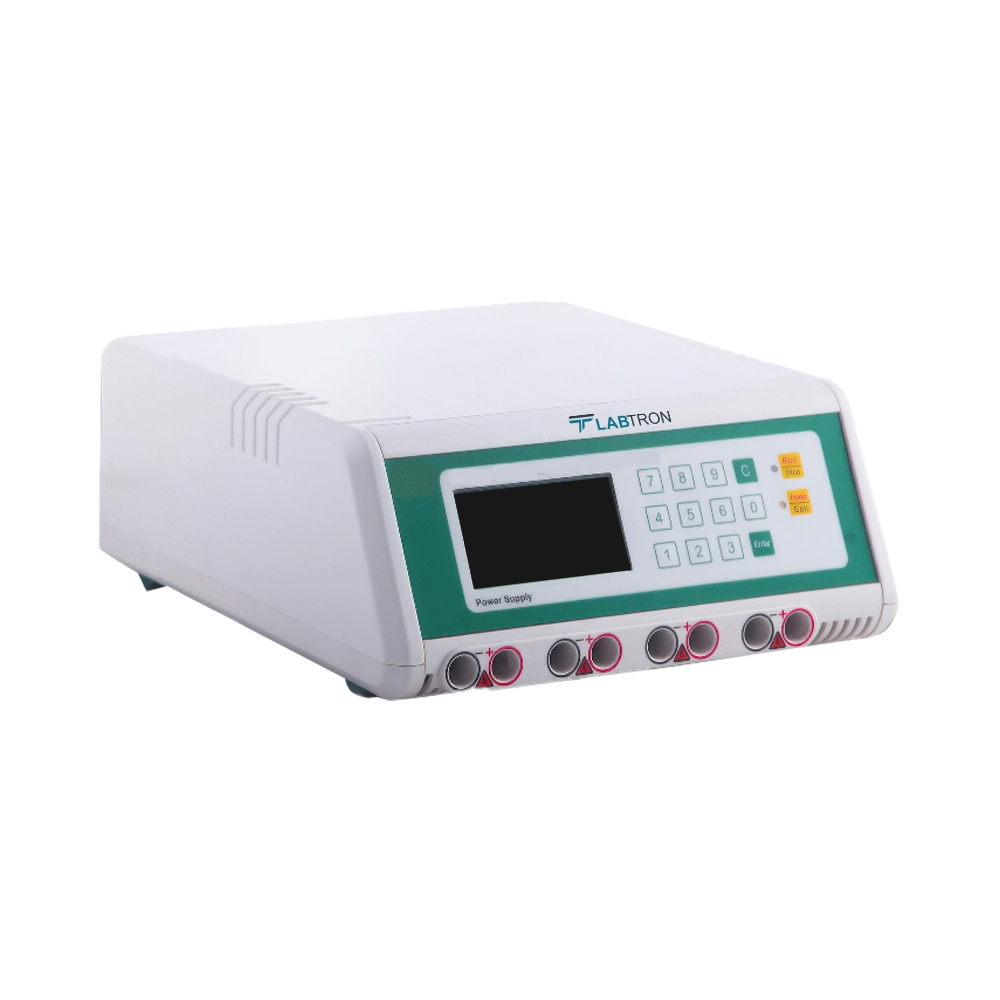
While electrophoresis power supplies are primarily designed for gel electrophoresis, they can also be used for applications requiring precise low-voltage DC power, such as electroblotting, cell electroporation, and electrochemical reactions. However, it is crucial to ensure that the voltage and current settings align with the specific requirements of the alternative application. Labtron’s power supplies provide adjustable voltage and current outputs, making them versatile and suitable for a wide range of laboratory experiments beyond electrophoresis.
Electrophoresis power supplies typically operate in three different modes: constant voltage (CV), constant current (CC), and constant power (CP). In constant voltage mode, the voltage remains fixed while the current varies depending on gel resistance. This mode is commonly used for DNA and RNA electrophoresis. In constant current mode, the current remains steady while the voltage adjusts, making it ideal for SDS-PAGE and protein separations, where maintaining a stable migration rate is crucial. Constant power mode is useful for applications like isoelectric focusing (IEF), where both voltage and current are adjusted dynamically to maintain stable power output. Labtron’s electrophoresis power supplies offer flexible operation in all three modes, allowing researchers to choose the most suitable setting for their experiments.
Excessive heat generation during electrophoresis can lead to gel distortion, poor band resolution, and sample degradation. Factors like high voltage settings, prolonged run times, and inadequate buffer circulation contribute to heat buildup. To manage this, it is recommended to run gels at lower voltage settings for longer durations, use cooling systems or pre-cooled buffers, and ensure that the electrophoresis chamber is well-ventilated. Labtron’s electrophoresis power supplies incorporate stable voltage control and heat management features, reducing the risk of overheating and ensuring optimal separation conditions.
Some common mistakes when using an electrophoresis power supply include using incorrect voltage settings, improper gel loading, and connecting electrodes in the wrong orientation. Other errors include not using fresh buffer solutions, failing to check for damaged cables, and running the gel for too long or too short a time. These mistakes can lead to poor separation, sample loss, or even damage to the gel and equipment. Labtron’s power supplies come with clear display indicators, safety alarms, and user-friendly controls, helping researchers minimize errors and achieve consistent, high-quality results.
The optimal run time for electrophoresis depends on factors like gel type, buffer composition, molecule size, and applied voltage. Running the gel for too short a time may result in poor separation, while running it for too long can cause diffusion or band smearing. A good practice is to monitor the dye front movement or use a pre-determined migration chart. Labtron’s electrophoresis power supplies offer real-time monitoring and adjustable run-time settings, ensuring that researchers can achieve precise and reproducible separations.
Post your question?
Our experts are here to help!
Labtron Equipment Ltd., Quatro House, Lyon Way, Camberley, Surrey GU16 7ER United Kingdom
Email: info@labtron.com Whatsapp: +44 73 4441 2688 Phone: +44 2080 043608