 info@labtron.com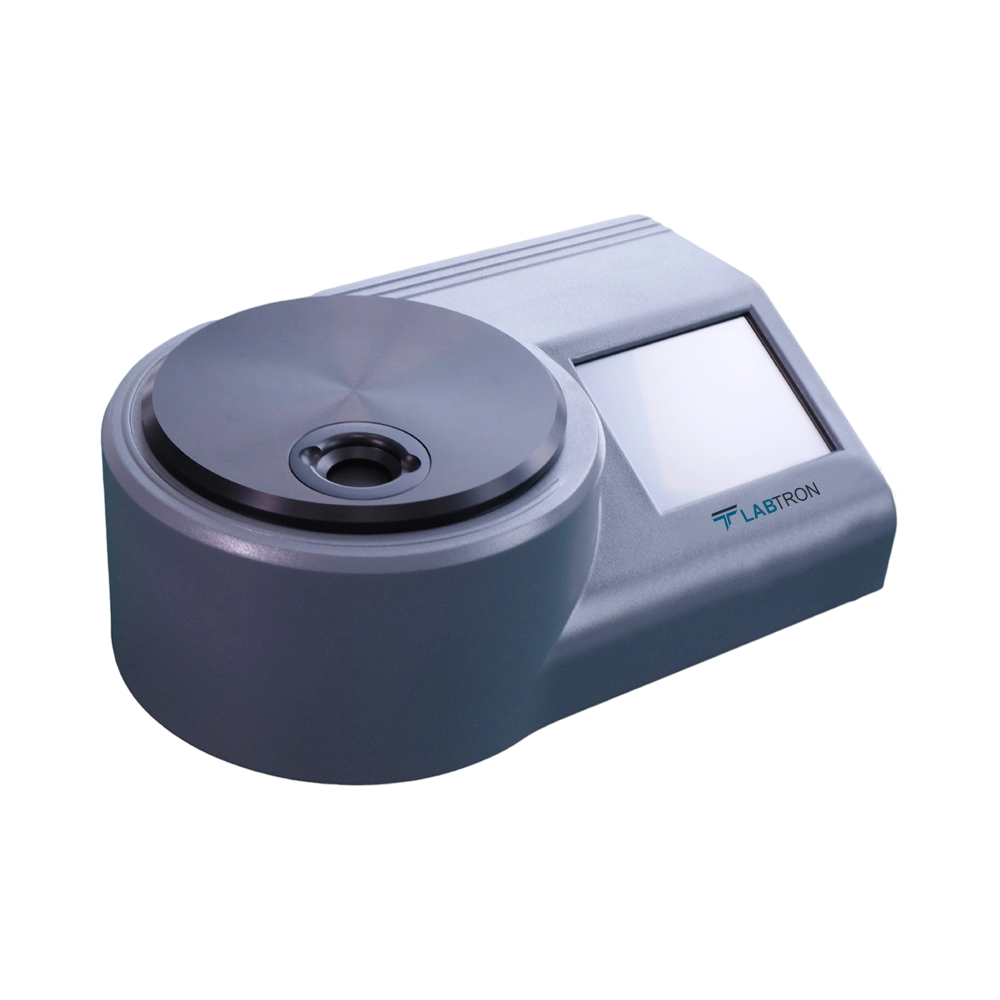

| Power source | AC 220 V ± 10%, 50-60 Hz |
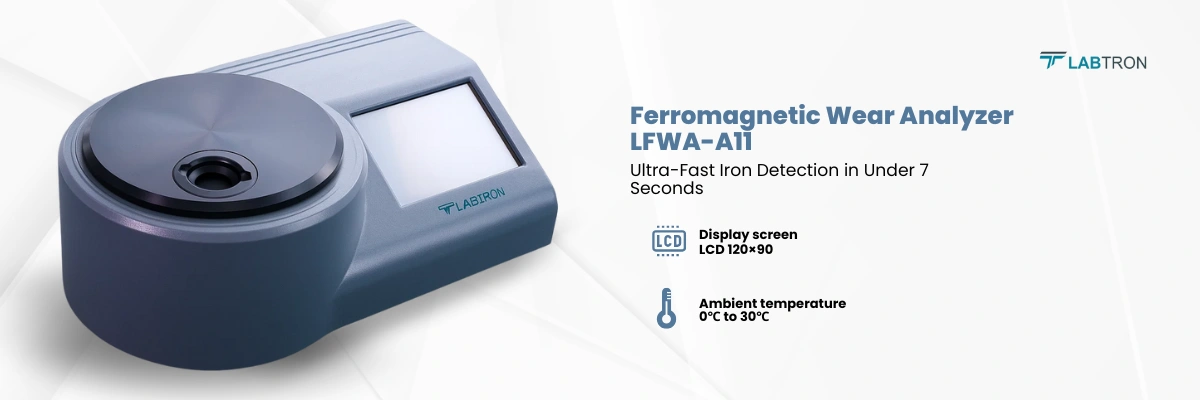
| Ambient temperature | 0℃ to 30℃ |
| Display screen | LCD 120×90 |
| Repeatability | ± 4 PQ or ± 1% (maximum value) |
| Resolution | 1PQ |
| Test time | 7s |
| Measurable minimum | 5PQ |
| Detect the range of abrasive particles | More than 1μm ferromagnetic abrasive particles |
| Serial port connection | USB female port |
| Measuring range | 0 to 15000PQ |
| Size | 370 × 220 × 136 mm |
| Weight | 3.8 kg |
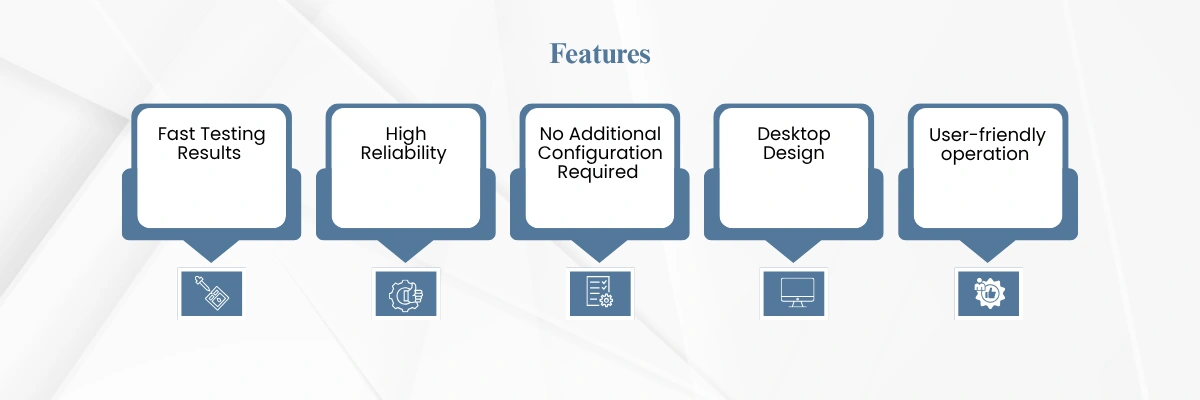
Fast Testing Results
High Reliability
No Additional Configuration Required
Desktop Design
User-friendly operation
Ferromagnetic Wear Analyzer LFWA-A11 is a measurement device based on the principle of electromagnetic induction. Our Oil Spectrometer has a specialized feature for light detection and has applications in fields like machine system monitoring, residual assessment of bearing oil lamps.
Download catalog for
Ferromagnetic Wear Analyzer LFWA-A11 Catalog
Ferromagnetic wear Analyzers are used mainly for detection of iron content by using atomic absorption method and atomic emission method. These are highly sensitive with durable sensors and offer a stability which is very important for accurate results. Their software is advanced and fast which shows instant result analysis and is also compatible with computer connection and data transfer. These analyze the samples without the need for pre-preparation reduces the human error and reduces time consumption. Our ferromagnetic analyzers are compact desktop-top design for user comfort and use 7 seconds to measure and analyses the data.
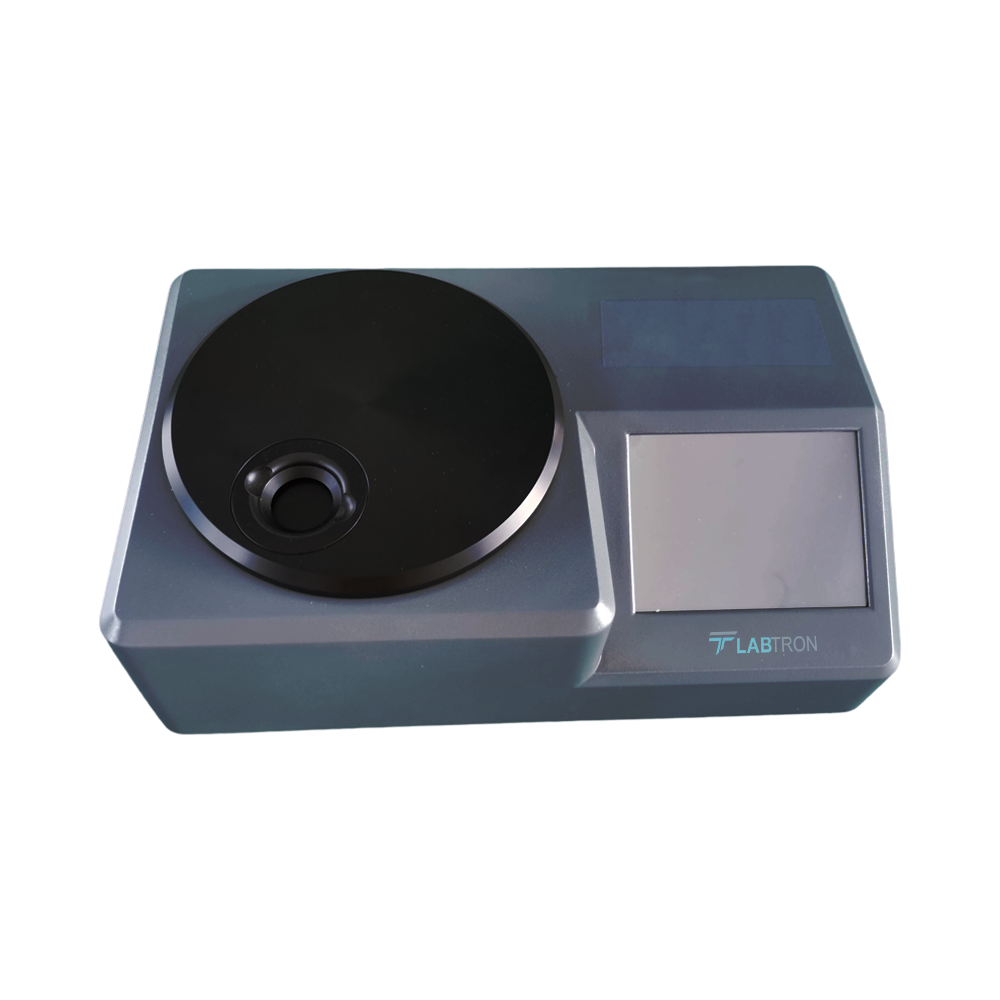
Labtron’s Ferromagnetic Wear Analyzer LFWA-A11 operates on the principle of magnetic field interaction with ferrous particles. When an oil sample containing ferromagnetic wear debris passes through the instrument’s sensor, it alters the magnetic flux. The analyzer quantifies this change and converts it into a PQ (Particle Quantifier) Index. As the PQ value goes up, it’s a sign that the equipment may be facing increased or abnormal wear. This non-destructive method enables early detection of abnormal wear in engines, gearboxes, and other rotating equipment.
The Ferromagnetic Wear Analyzer LFWA-A11 is specifically designed to detect ferromagnetic particles, such as iron or steel debris suspended in oil. It does not measure non-ferrous particles like copper, lead, or aluminum. These ferrous particles typically originate from components like gears, bearings, or shafts and are indicators of mechanical wear. The instrument provides a rapid and reliable way to monitor machinery health and can be used alongside elemental analysis to identify both particle size and source of wear.
The PQ Index is a numeric value that indicates the concentration of ferromagnetic wear particles in an oil sample. A low PQ value suggests normal equipment wear, while a high PQ value indicates abnormal or accelerated wear. By trending PQ values over time, maintenance personnel can identify the onset of mechanical issues before failure occurs. When used in conjunction with spectrometric oil analysis, it also helps differentiate between large particles and fine elemental wear debris.
Labtron’s Ferromagnetic Wear Analyzer LFWA-A11 typically requires 2 to 5 milliliters of oil for each test. No dilution, heating, or special sample preparation is needed, making it simple and fast to operate. Users should ensure the sample is well-mixed to evenly distribute suspended particles. This small sample requirement and easy handling make the PQ100 ideal for on-site testing in industrial environments, where rapid decisions regarding equipment condition are often necessary.
The Ferromagnetic Wear Analyzer LFWA-A11 requires minimal maintenance, primarily regular cleaning of the sample holder and sensor area to prevent residue buildup. It includes a factory calibration and a reference standard to verify performance. Routine checks with the reference ensure consistent accuracy, but recalibration is rarely needed. The device’s straightforward operation and low upkeep make it user-friendly for routine oil condition monitoring, contributing to longer equipment life and reduced maintenance costs through early wear detection.
A Ferromagnetic Wear Analyzer detects and measures ferrous wear particles in lubricating oils, helping monitor the condition of machinery and engines. It identifies early signs of component wear by analyzing the concentration and size of magnetic particles suspended in oil. This is critical for predictive maintenance, preventing unexpected failures, and extending equipment life. The tool is widely used in industries like automotive, aviation, manufacturing, and power generation for real-time wear assessment.
The analyzer works by drawing an oil sample through a magnetic field, which attracts ferrous particles. Sensors measure the magnetic disturbance caused by these particles and convert it into a wear index or particle concentration value. Some systems use inductive coils or Hall-effect sensors to detect magnetic interference. Results help evaluate the severity of wear, and when trended over time, provide valuable insights for maintenance planning and fault prediction.
Ferromagnetic analyzers are designed to detect iron-based (ferrous) particles, including steel, cast iron, and other magnetically responsive materials. These particles typically originate from gears, bearings, shafts, or other moving metal components. The analyzer does not detect non-ferrous particles like aluminum, copper, or lead. For comprehensive wear analysis, it is often used alongside spectrometric oil analysis or particle counters that detect both ferrous and non-ferrous debris.
This tool provides early detection of wear-related issues, allowing for timely maintenance and avoiding costly equipment failures. These support condition-based monitoring, reducing unnecessary oil changes and improving machine uptime. The analyzer offers fast, on-site results without the need for lab processing. Their simplicity and reliability make it a vital tool for preventive maintenance in heavy equipment, turbines, compressors, and other critical rotating machinery.
The frequency depends on the equipment and operating environment but is typically monthly or at regular service intervals. In high-load or critical systems, weekly or even daily testing may be required. Regular monitoring helps track wear trends over time and identify abnormal wear patterns early. Consistent testing intervals and proper sample handling are essential to ensure accurate, repeatable results and effective wear condition tracking.
Post your question?
Our experts are here to help!
Labtron Equipment Ltd., Quatro House, Lyon Way, Camberley, Surrey GU16 7ER United Kingdom
Email: info@labtron.com Whatsapp: +44 73 4441 2688 Phone: +44 2080 043608