info@labtron.com

| Effective Pixel | 1280 × 1024 |
| Pixel Density | 10 bit |
| Pixel Dimensions | 5.4 × 5.4 μm |
| Resolution | 1.4 Megapixels |
| Signal to Noise Ratio | ≥56 dB |
| Sensitivity | EB stain below 20 pg |
| Zoom Lens | F=1:1.2, 2/3'' inch 6x zoom lens |
| Filter | 590 nm |
| Transmission UV Wavelength | 302 nm (8 W) |
| Reflection UV Wavelength | 254 nm (11 W), 365 nm (11 W) |
| Transmission UV Lamp Power | 8 W (302nm) |
| Reflection UV Lamp Power | 11 W (254nm) |
| UV Transmission Dimensions (W × L) | 250 × 200 mm |
| Visible Light Transmission Dimensions (W × L) | 250 × 210 mm |
| Dimensions (L × W × H) | 470 × 405 × 820 mm |
| Weight | 29 kg |
High-resolution digital CCD
Real-time full-screen display
Gel center-indicator placement
Intelligent darkroom control
Automatic UV cut-off
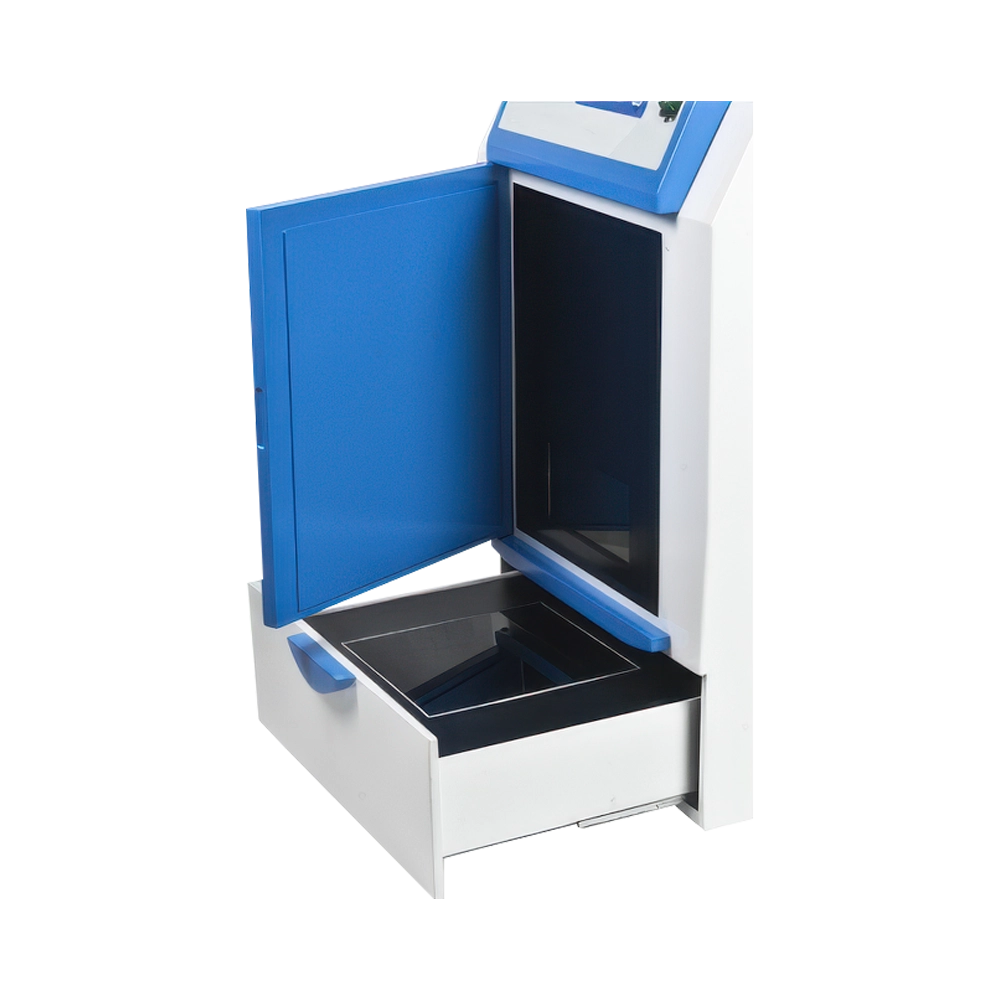
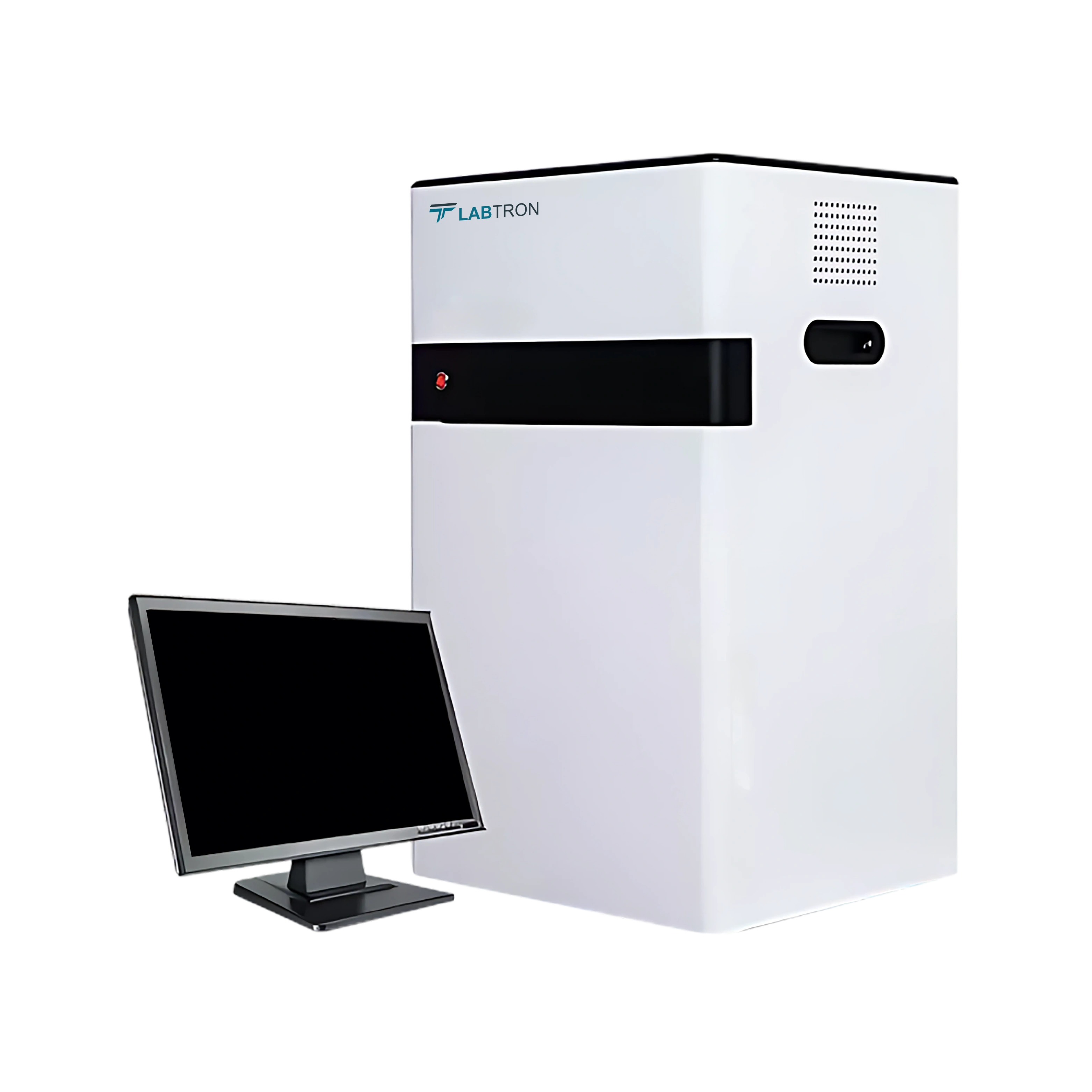
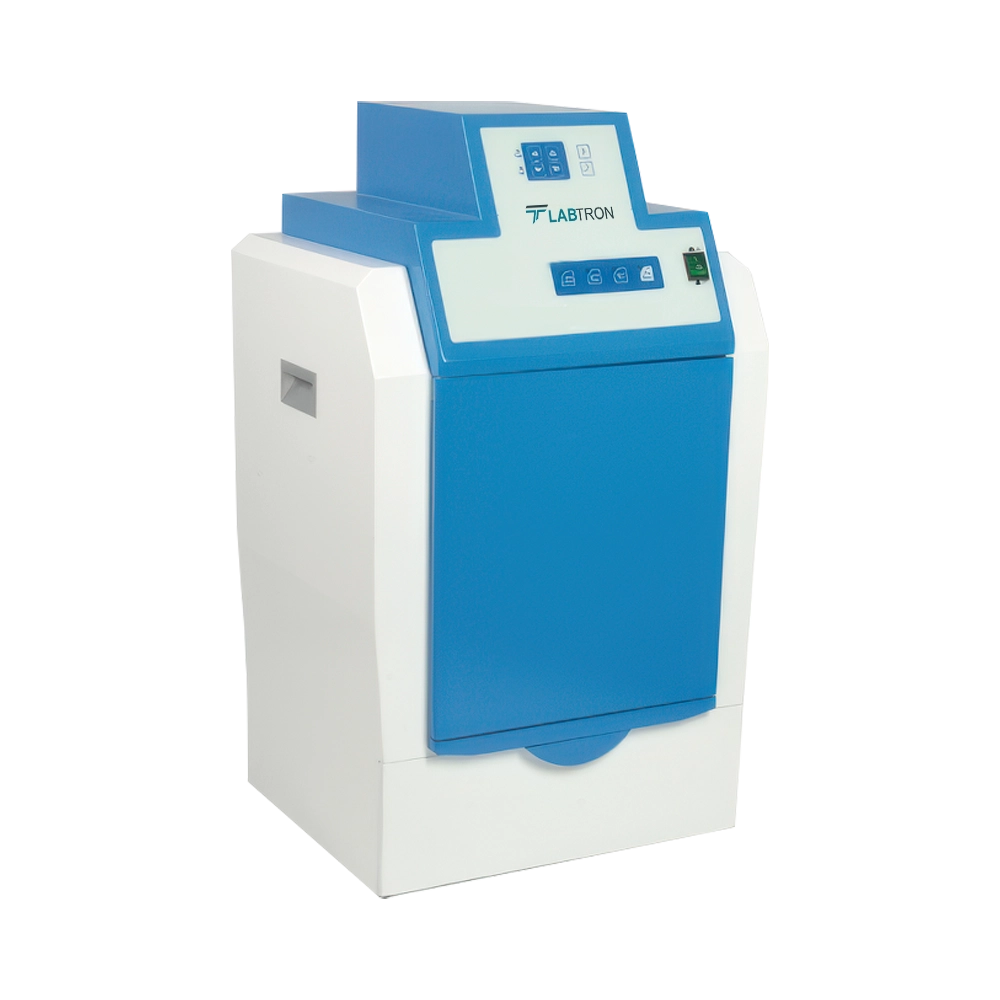
Gel Documentation System LBGD-B10 captures analyzes, and documents images of nucleic acids and proteins separated through gel electrophoresis. It is widely used in molecular biology, biotechnology, and genetic research for accurate visualization and data analysis.
Download catalog for
Gel Documentation System LBGD-B10 Catalog
Labtron Gel Documentation System, provide analysis of gels by capturing their high resolution images of 5 to 20 megapixels. They are equipped with UV transilluminator for enhanced visibility of fluorescent samples. Their cameras are designed to capture detailed illustrations ensuring accurate representation of bands. Their built-in filters allow for specific wavelength selection optimizing detection of various dyes. Our Gel Documentation System is essential for providing accurate visualization for DNA and RNA analysis required in molecular biology.
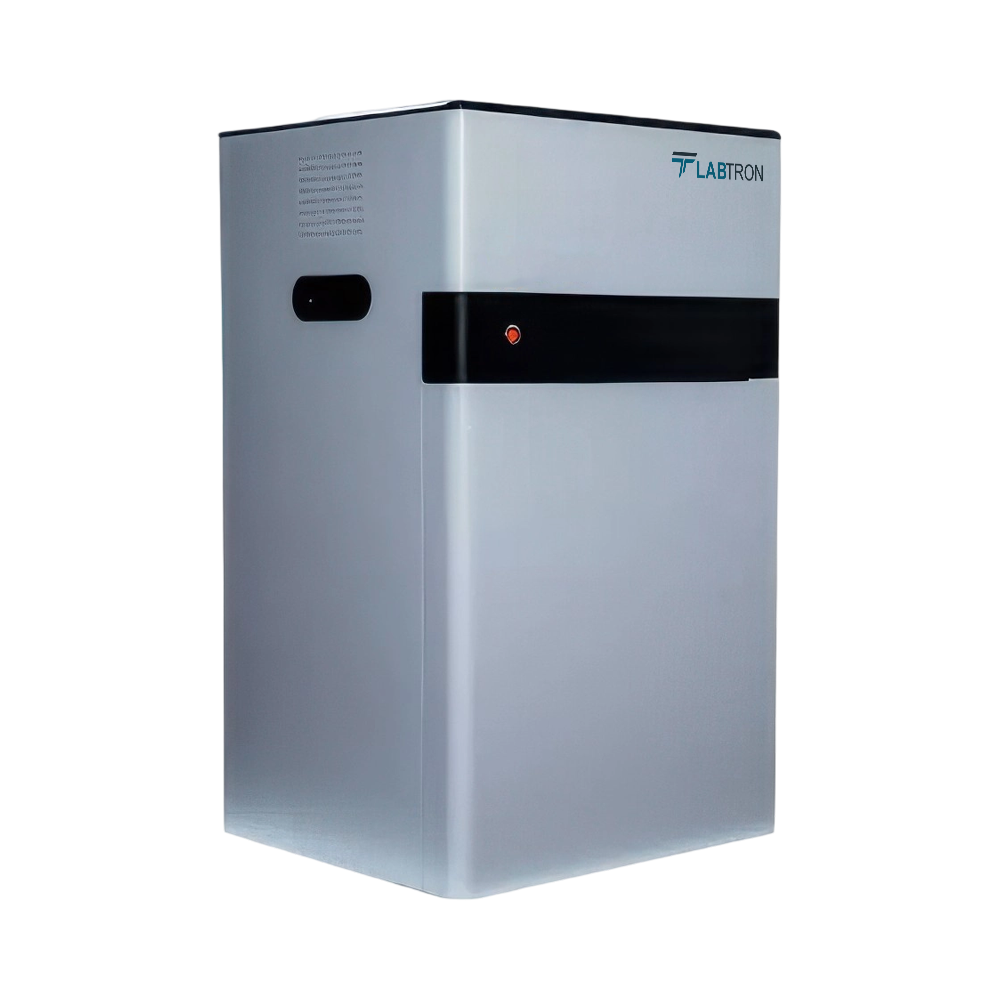
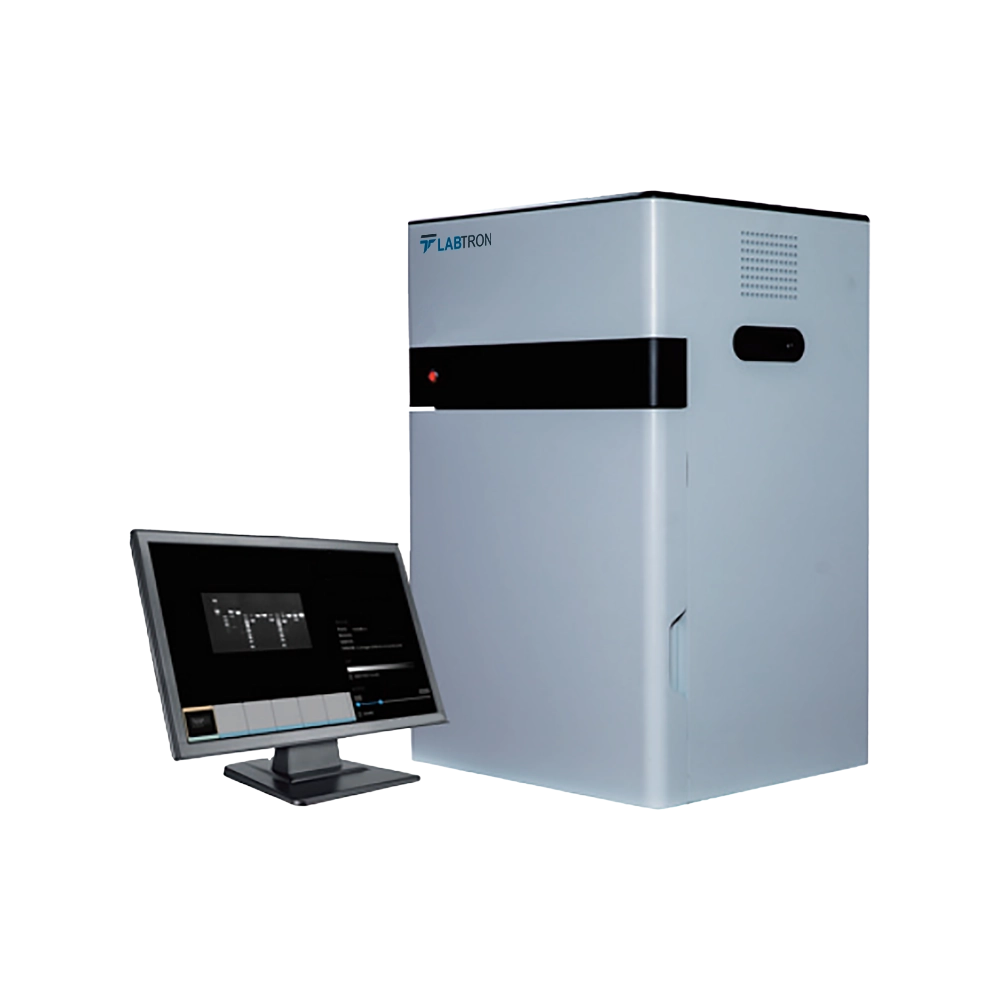
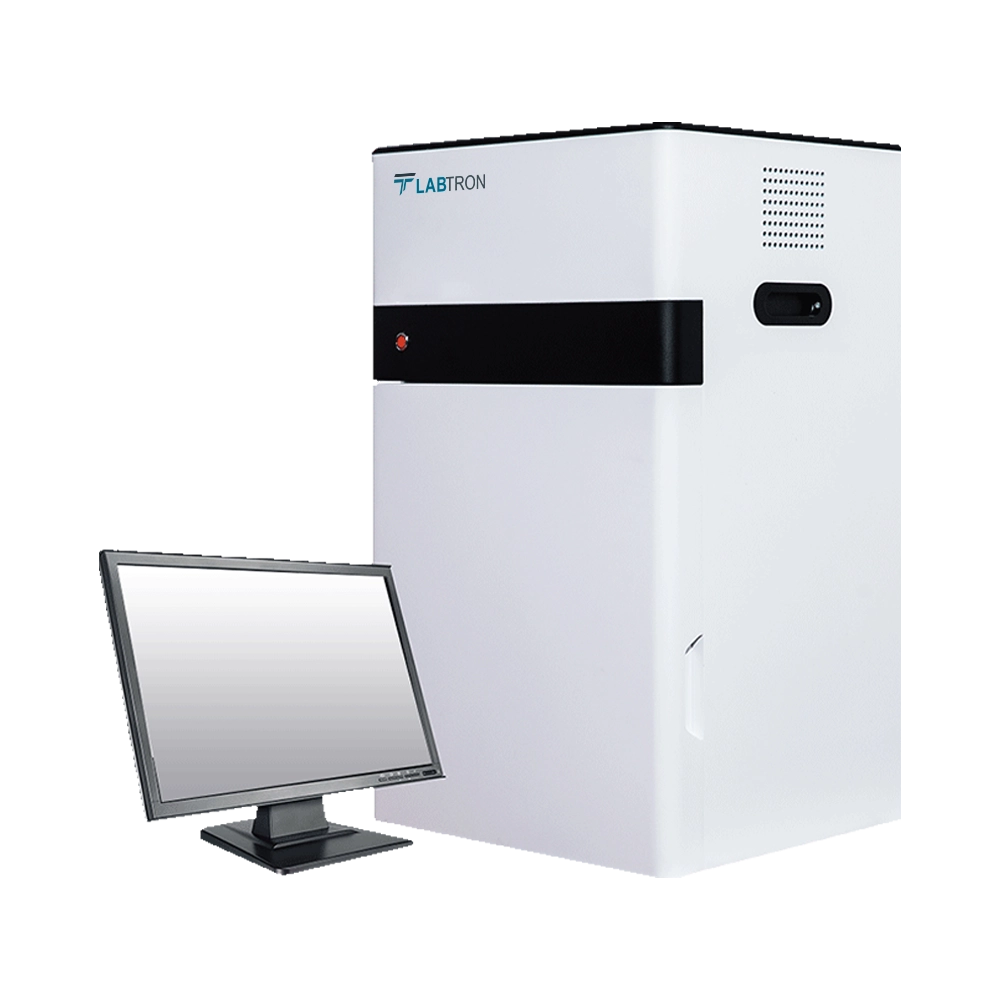
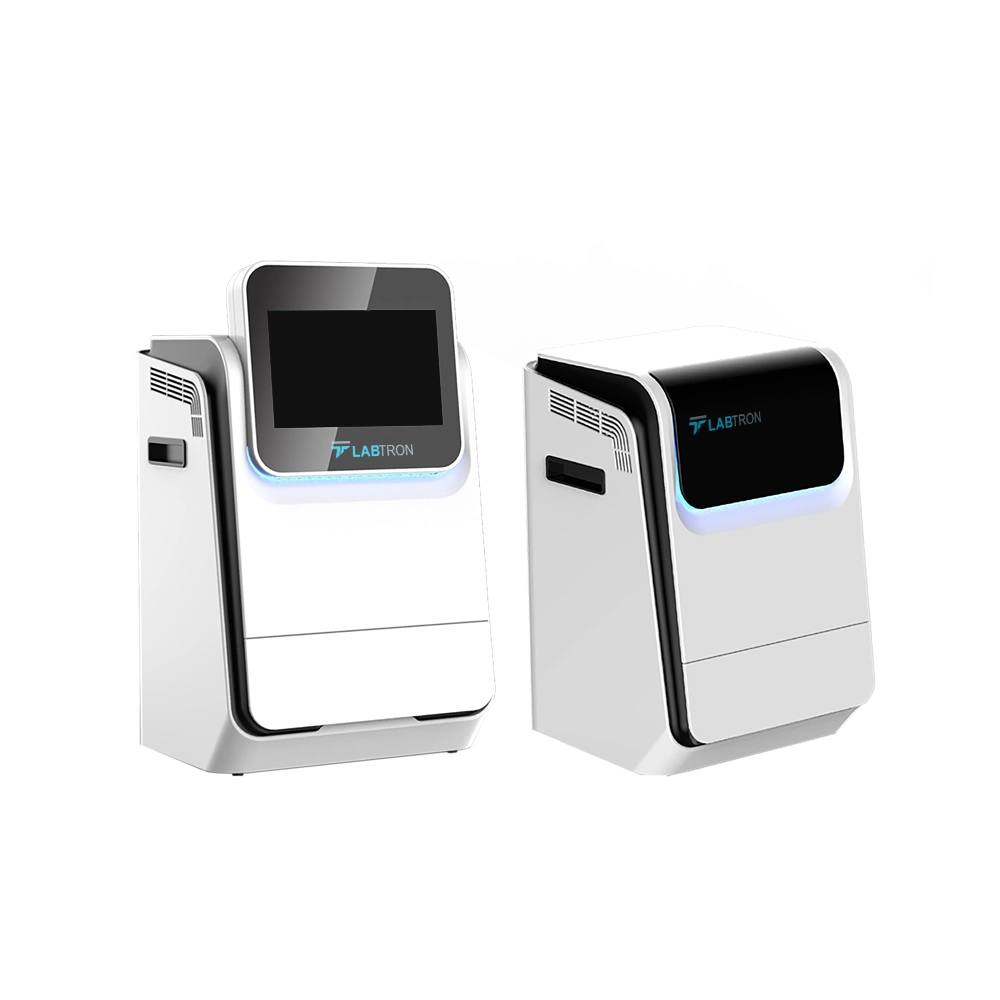
Gel Documentation Systems can analyze various types of gels, including agarose gels, polyacrylamide gels (SDS-PAGE), and Western blot membranes. These systems are compatible with gels stained using fluorescent dyes like ethidium bromide, SYBR Green, and protein stains such as Coomassie blue or silver stain. Labtron’s Gel Documentation Systems are designed to support multiple gel types, offering flexible imaging options and ensuring high sensitivity for detecting different nucleic acid and protein samples.
Gel Documentation Systems offer different illumination options, including UV light, blue light, and white light. UV light is most commonly used for detecting nucleic acids stained with ethidium bromide, while blue light is safer and ideal for fluorescent dyes such as SYBR Green. White light is primarily used to visualize protein gels stained with Coomassie blue or silver stain. Labtron’s Gel Documentation Systems come equipped with all these lighting options, allowing researchers to select the most appropriate light source for their experiment. The systems also offer adjustable intensity settings to optimize visualization and prevent overexposure, ensuring high-quality images.
The resolution of the camera significantly impacts the clarity, accuracy, and detail of gel images. Higher resolution cameras capture fine details and allow for better quantification of low-intensity bands. This is particularly important when working with faint signals, small bands, or complex samples. Labtron’s Gel Documentation Systems are equipped with high-resolution CCD cameras that deliver sharp, detailed images, ensuring that even weak bands are accurately detected and analyzed. The systems also include automatic exposure settings and image enhancement features that further improve image quality and quantification accuracy.
Yes, modern Gel Documentation Systems are capable of performing quantitative analysis using integrated image analysis software. This software can measure band intensity, calculate molecular weight, and analyze concentration differences between samples. Quantitative analysis helps researchers assess DNA, RNA, or protein concentrations accurately and compare results across multiple experiments. Labtron’s systems include advanced analysis software with automatic band detection, background correction, and densitometry tools that ensure reliable and reproducible quantification. The software also generates detailed reports, allowing researchers to easily document and share their findings.
Since Gel Documentation Systems often use UV light for visualization, it is crucial to take safety precautions to avoid exposure, which can be harmful to the eyes and skin. Researchers should wear protective goggles, gloves, and lab coats when working with UV light. It is also essential to ensure that the system’s UV shield or safety cover is in place to block harmful radiation. Labtron’s Gel Documentation Systems are designed with built-in safety features such as UV-blocking covers and automatic shut-off mechanisms, minimizing the risk of accidental exposure and ensuring a safe working environment for users.
Accurate band quantification depends on optimized exposure settings, appropriate background correction, and consistent sample loading. Using a suitable molecular weight marker or ladder for reference and ensuring uniform gel running conditions also contribute to accurate quantification. Labtron’s Gel Documentation Systems are equipped with auto-exposure features and advanced image analysis software that automatically corrects for background noise, normalizes band intensity, and provides reliable quantification. The software’s intuitive interface guides researchers through each step, ensuring consistent and reproducible results.
Post your question?
Our experts are here to help!
Labtron Equipment Ltd., Quatro House, Lyon Way, Camberley, Surrey GU16 7ER United Kingdom
Email: info@labtron.com Whatsapp: +44 73 4441 2688 Phone: +44 2080 043608