 info@labtron.com

| Measurement Range | 1 μg to 300mg of water |
| Measuring Speed | 2.8mg H2O / min |
| Measuring Accuracy | 3 μ g (10 ug to100 μg H2O) ≤ 0.3% (water content> 100 μg H2O) |
| Resolution | 0.1μg H2O |
| Relative moisture content range | 1ppm to100%; display precision of 0.001ppm |
| Electrolytic Current | 0 to 500mA stepless adjustment |
| Electrolytic Electrode | Platinum with diaphragm |
| Featured Function | 5 methods are optional, 8 calculation formula, sample unit ppm, %, mg/L, mg / kg can be switched |
| Sampling Delay | 0 to 9999 Customized |
| Electrolytic Time | 0 to 9999 Customized (0 does not limit electrolysis time) |
| Data Storage | 500 records |
| Display Screen | 5.7-inch touch screen |
| Calibration Function | Yes |
| Working Environment | Temperature: 5°C to 40℃ |
| Weight | 6kg |
| Gross Weight | 10 Kg |
Electrolytic Current Stepless Regulation
Multiple Endpoint Judgment Methods
Automatic Drift Monitoring
Constant Current Electrolysis
Wide Moisture Range
Karl Fischer Coulometric Moisture Meter LKFM-A11 determines water content based on the charge consumed. It plays a key role in chemical, petrochemical, battery, electronics material, plastic, rubber, polymers, and gas analysis for monitoring moisture levels.
Labtron Karl Fischer Moisture Meter delivers high-precision moisture analysis across liquid, solid and gases. They feature a splash-resistant color LCD with touch or keypad control, as well as automated current dosing. They offer a sealed titration cell to shield reagents and operators. These moisture meters accelerate quality assurance workflows, delivering chemical‑grade accuracy in under a minute. Their auto-zero burette calibration ensures reliable baseline control and consistent timing across numerous samples. Our Karl Fischer moisture meter offers precise moisture control in industries such as pharmaceuticals, petrochemicals, food, and beverages.
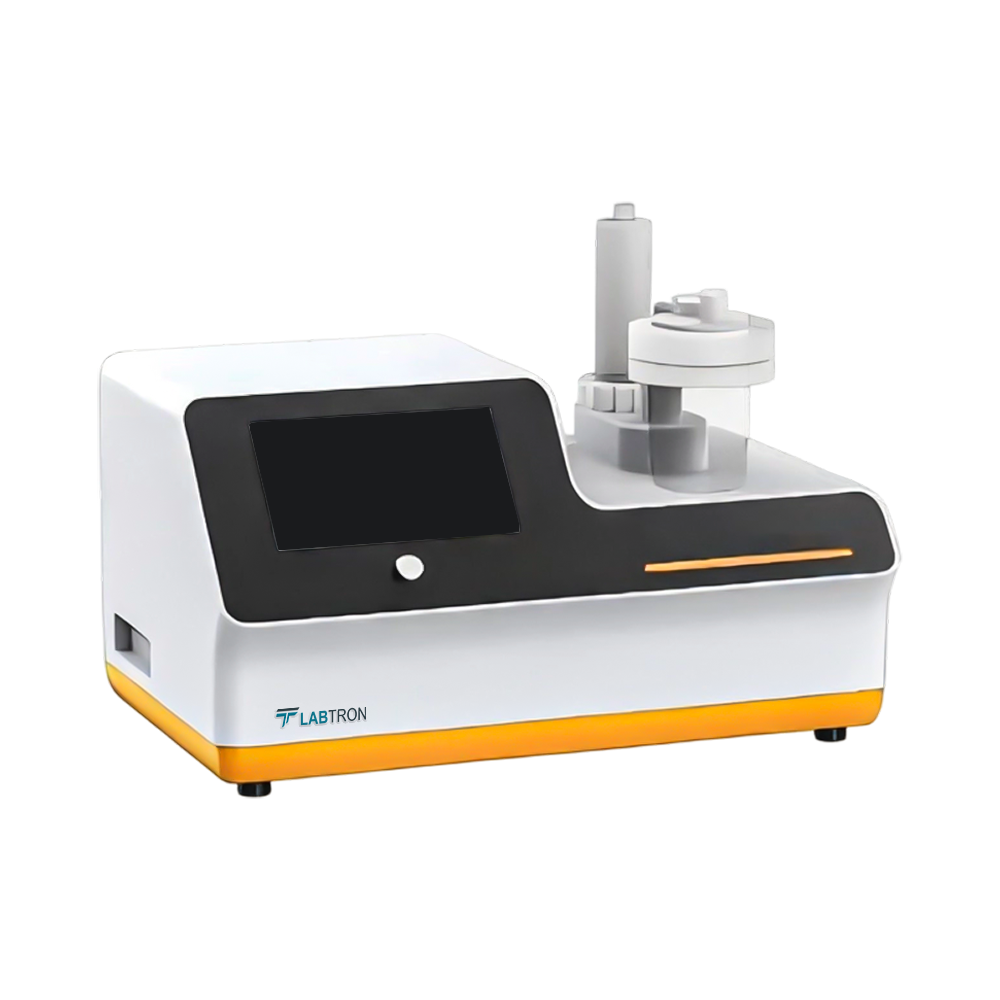
Labtron supplies premium Karl Fischer Coulometric Moisture Meter LKFM-A11. If drift equals or surpasses titration rate, it often indicates cable disconnection or failed polarization circuitry. First, inspect electrode leads for secure connections. Then test the generator electrode's resistance-faulty wiring can disrupt current. Ensure reagent is within capacity and not degrading. Conduct conditioning runs to stabilize drift prior to testing. Replace aging cables or damaged electrodes. Finally, if all else fails, consult manufacturer support to inspect internal polarization systems and rectify circuit faults.
Labtron supplies premium Karl Fischer Coulometric Moisture Meter LKFM-A11.While coulometry doesn't require titer calibration, periodic verification using certified water standards is essential for QC. Inject a known quantity, typically every 10 analyses or daily, depending on throughput. Aim for recoveries within of the standard’s value per ASTM guidelines. Deviations beyond acceptable limits signal reagent exhaustion, electrode fouling, or electronic drift. Promptly clean, refresh reagent, and rerun checks to restore performance. Maintain documentation to meet lab audits and ensure data integrity.
Labtron supplies premium Karl Fischer Coulometric Moisture Meter LKFM-A11.Matrix interferences-like ketones, alcohols, or amines—can generate water via side reactions, leading to false moisture readings in coulometric systems. To identify this, run a blank sample followed by a known standard and compare recoveries. Use specialized reagents such interferences. Monitor reagent color and drift behaviour: unusual browning often indicates side reactions. Thoroughly clean the cell post-analysis with strong solvents or mild acid. If anomalies persist, evaluate whether a volumetric or oven-coupled method is more effective for the particular matrix.
Labtron supplies premium Karl Fischer Coulometric Moisture Meter LKFM-A11. Injector septa and drying agents (desiccants/molecular sieves) should be replaced periodically based on sample throughput e.g., weekly for high-use setups (100 tests/week). Worn septa may leak moisture, and exhausted desiccants allow ambient humidity ingress, skewing low-level readings. Replacing these consumables during reagent refill or when baseline drift increases prevent background water errors. Routine maintenance like this keeps the system tight and drift low without requiring deep cleaning. This proactive upkeep minimizes downtime and maintains instrument accuracy.
Labtron supplies premium Karl Fischer Coulometric Moisture Meter LKFM-A11. While coulometric meters don’t require traditional titrant calibration, annual calibration/validation services are recommended. Professional servicing includes electronic diagnostics, performance checks with water standards, glassware overhaul, and replacement of wear parts like septa or cables. Certifications from providers (e.g., Penn Hills or G.R. Scientific in the UK) support regulatory compliance and instrument reliability. Scheduling such check-ups during low-use periods ensures consistent accuracy and prevents unexpected failures.
Labtron supplies premium Karl Fischer Moisture Meter. To confirm electrode functionality, perform a certified water standard check: run a 3-replicate test using a known low-moisture standard. A recovery rate of 97–103% indicates proper electrode performance and overall instrument integrity. Additionally, monitor the reagent color—pale yellow suggests good function, while darker shades may signal electrode fouling. Regular checks help detect drift, contamination, or wear before critical testing. Keeping records of these verifications supports GLP compliance and audit-readiness. This process ensures your Karl Fischer Moisture Meter remains reliable across trace-level analyses.
Labtron supplies premium Karl Fischer Moisture Meter. User can leave platinum or glass electrodes immersed indefinitely in Karl Fischer reagent without damaging their performance. Continuous immersion helps maintain system stability and reduces warm-up time. However, periodic functional checks using standards are still necessary to validate drift and electrode responsiveness. Avoid drying or cleaning unless instructed, as unnecessary handling can introduce contaminants. This storage approach simplifies maintenance and ensures consistent accuracy.
Labtron’s advanced Karl Fischer Moisture Meter replace or regenerate the molecular sieve when its indicator shows saturation (e.g., color change), or when drift rises during blank runs. Regeneration typically involves heating at 200–300?°C for about 24 hours, followed by cooling in a desiccator. Alternatively, swap in a fresh sieve for simplicity. Proper upkeep stops moisture leaks into the system, preserving trace-level accuracy in moisture detection. Regular maintenance also prolongs reagent life and instrument precision-essential for using a Karl Fischer Moisture Meter in high-stakes lab environments.
Regular electrode care starts with periodic cleaning using mild abrasives (like aluminum oxide or toothpaste) followed by rinsing with methanol or ethanol. Check for bent or cracked platinum pins, as these can lead to electrode corrosion or signal drift. If electrodes are stored, keeping them immersed in reagent (rather than dried) helps preserve their responsiveness and reliability. Use certified water standards to test electrode performance, aiming for recoveries within 97–103%. Proper storage and gentle handling extend electrode lifespan and maintain measurement accuracy. This maintenance routine ensures the Karl Fischer Moisture Meter remains accurate and dependable over time.
Labtron supplies premium Karl Fischer Moisture Meter. The molecular sieve or silica gel in the reagent drying tube should be monitored regularly and refreshed when its moisture indicator changes color or baseline drift increases. It’s typically regenerated every 4–6 weeks by heating and then sealed to maintain dryness. Failing to refresh drying media can allow ambient humidity to enter the system, raising drift and compromising moisture detection at trace levels. A well-maintained drying module directly supports the meter’s low-drift performance and helps ensure precise measurements in demanding environments.
Post your question?
Our experts are here to help!
Labtron Equipment Ltd., Quatro House, Lyon Way, Camberley, Surrey GU16 7ER United Kingdom
Email: info@labtron.com Whatsapp: +44 73 4441 2688 Phone: +44 2080 043608