 info@labtron.com

| pH Measuring Range | 2.00 to19.99 pH |
| pH Resolution | 0.01pH |
| pH Accuracy | ± 0.01 pH |
| Stability | ± 0.01 pH / 3h |
| Temp. compensation range | 0°C to 100°C |
| Power Supply | 2 AA Batteries 15 V |
| Meter Size | 120mm × 65mm × 31mm |
| Package Dimension | 360mm × 270 mm × 76 mm |
| Material Weight | 180 g |
| Package Weight | 1.6 kg |
Microprocessor Control System
Automatic Calibration Function
Low Voltage Indicator
Buffer Solution Recognition
High Purity Mode
Portable pH Meter LPRPM-B10 measures the acidity or alkalinity (pH) of aqueous solutions. It is widely utilized in wastewater treatment, environmental research, agriculture, and chemical industries for monitoring pH levels.
Accessories Name | Quantity |
pH Standard Buffer Solution (pH 4.00, pH7.00, pH 10.01) / 50 ml | 3 |
Plastic pH 3 in 1 Electrode | 1 |
AA Batteries | 2 |
Labtron Portable pH Meters offers handheld measurement of hydrogen ion concentration of acid and alkaline solution. They are equipped with durable, waterproof casings to withstand harsh conditions during measurement. Their LCD displays are clear and easy to read, even in low-light outdoor conditions. They are designed to be ergonomic, making them comfortable to hold during extended use. Our Portable pH Meter provide readings for agriculture, water testing, and laboratory analysis.

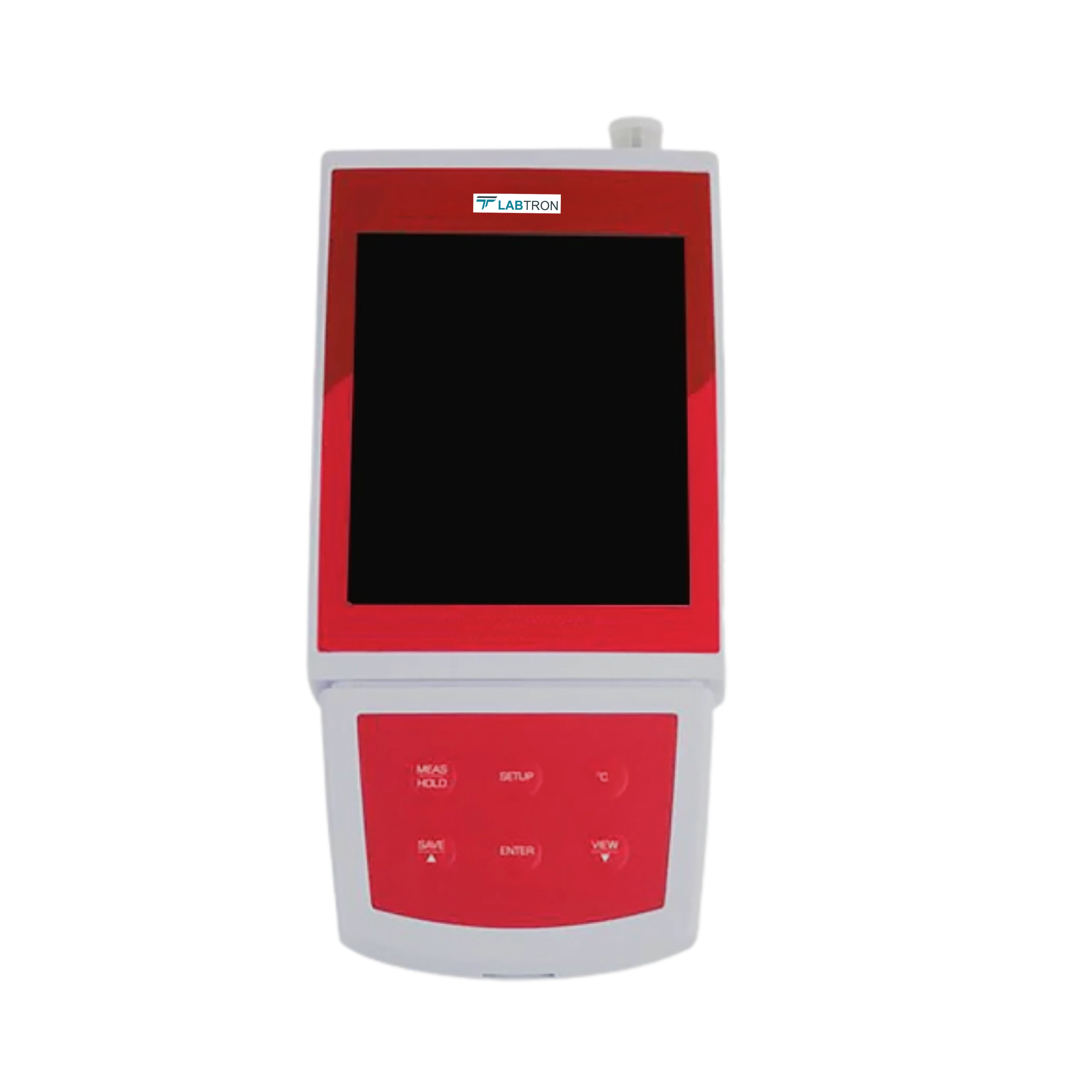


Labtron’s portable pH meters equipped with high-impedance input circuits are designed to measure low ionic strength samples accurately by minimizing current leakage and signal loss. Specialized electrodes with low junction potentials improve stability and response time in dilute or ultrapure water. Contaminated samples may cause junction clogging or drift; hence, electrodes with rugged junction designs or double junctions are preferred to resist fouling. Frequent calibration and cleaning are critical to maintain accuracy. Some advanced portable meters include diagnostic features that alert users to electrode problems. Together, these design choices and maintenance routines ensure reliable readings in challenging sample conditions.
Labtron supplies advanced models of portable pH meters. To ensure precise measurements, calibrate your portable pH meter using at least two fresh, uncontaminated buffer solutions that bracket your expected sample pH range. Begin calibration with a neutral pH 7.00 buffer, followed by acidic (pH 4.00) or alkaline (pH 10.00) buffers, depending on your sample's characteristics. Always rinse the electrode with distilled or deionized water between buffer solutions to prevent cross-contamination. Allow the electrode to stabilize in each buffer before confirming calibration. If the meter has automatic temperature compensation (ATC), ensure it is functioning correctly, as temperature variations can affect pH readings. Regular calibration, ideally before each measurement session, compensates for electrode drift and ensures reliable results. Consult your meter's manual for specific calibration procedures and recommended buffer solutions.
Proper storage is essential to maintain the accuracy and longevity of your portable pH meter. Always store the electrode in a moist environment to prevent the glass bulb from drying out, which can lead to inaccurate readings. Use a protective cap filled with a suitable storage solution, such as a 3.33M potassium chloride (KCl) solution, to keep the electrode hydrated. Avoid storing the electrode in distilled or deionized water, as this can cause the reference electrolyte to leach out, compromising performance. For long-term storage, place the meter upright in a container with the electrode tip submerged in the storage solution. Regularly check the storage solution level and top it up as needed to ensure consistent hydration. By following these storage practices, you can extend the lifespan of your pH meter and ensure reliable measurements.
Labtron’s Portable pH meters are generally designed for use with samples within a specific temperature range, typically 0°C to 50°C. Testing high-temperature samples can damage the electrode and affect the accuracy of readings. Some models may have temperature compensation features, but they are not intended for use with samples exceeding their specified temperature limits. For high-temperature applications, consider using specialized pH meters designed to withstand elevated temperatures. Always consult the manufacturer's specifications to ensure the meter's suitability for your specific testing conditions. Using the meter within its recommended temperature range ensures accurate and reliable results.
Labtron supplies premium portable pH meter. Replacing the electrode in a portable pH meter is straightforward. Begin by removing the protective cap and unscrewing the plastic ring at the top of the electrode. Gently pull out the old electrode and replace it with a new one, ensuring that the gaskets are properly seated. Screw the ring back into place securely. It's essential to handle the electrode carefully to avoid damage. Always use a compatible replacement electrode recommended by the manufacturer. After replacement, recalibrate the meter to ensure accurate readings. Regular electrode replacement maintains the meter's performance and reliability.
Post your question?
Our experts are here to help!
Labtron Equipment Ltd., Quatro House, Lyon Way, Camberley, Surrey GU16 7ER United Kingdom
Email: info@labtron.com Whatsapp: +44 73 4441 2688 Phone: +44 2080 043608