info@labtron.com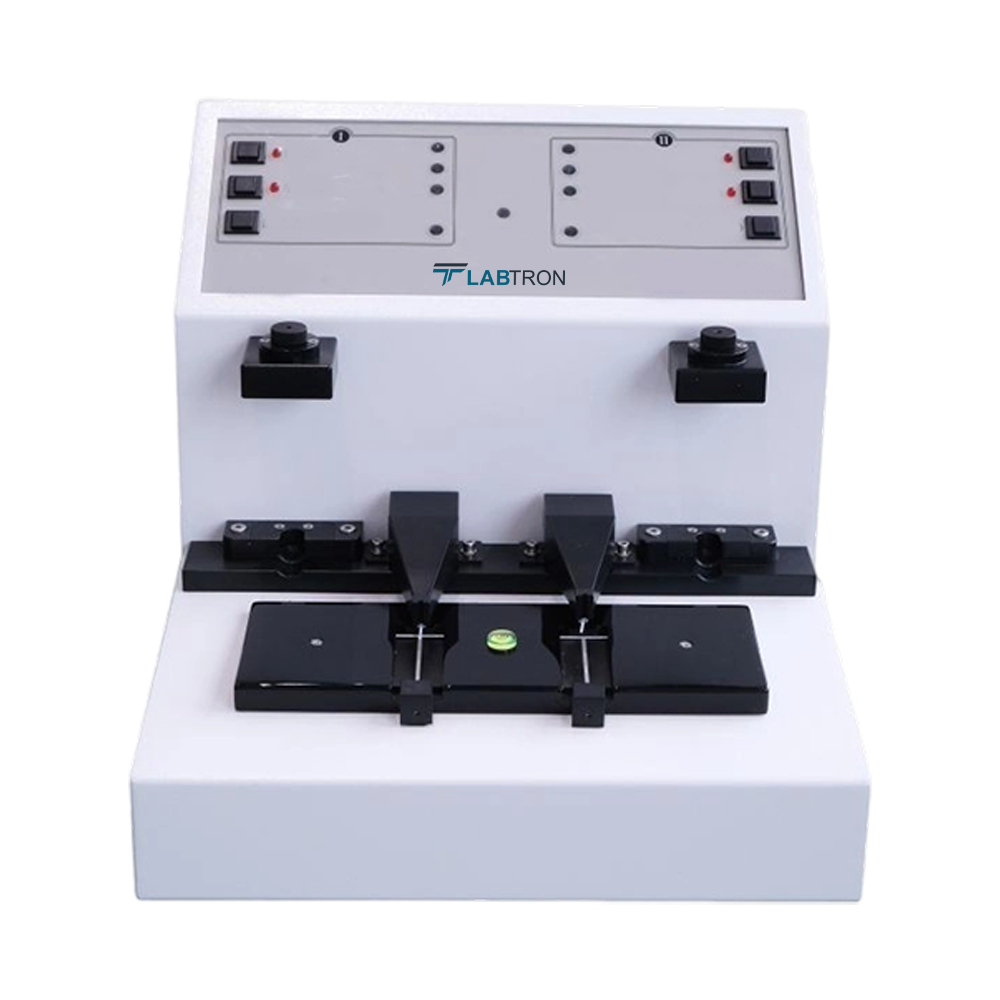

| Magnetic Field Flux Density | Up to 1.5T |
| Maximum magnetic Field Gradient | More than 0.5 T/mm |
| Oil Sample Flow Rate | 10 - 30 ml/h |
| Oil Delivery Pipe Size | Outer Diameter- 2.6 mm, Inner Diameter- 1.8 mm |
| Ferrograph Inclination | 1˚ - 5˚ |
| Ferrographic Substrate Size | 60 × 24 × 0.17 mm |
| Optical System | Infinitely distant system |
| Eyepiece | EW10×/22, mirror length Φ30 |
| Flat field achromatic Objective at infinity range | 10×/0.25/∞/-(BF/DF) WD 10.0mm |
| Viewing head | Hinged triocular viewing head, 30° tilt, pupil distance 48-75mm |
| Maximum specimen height | 50mm |
| Reflection illumination | 24V/100W halogen lamp (pre-centering) with adjustable brightness Kohler lighting system, aspherical light collector Blue, green and yellow filters and frosted glass |
| Transmission lighting system | Pendulum condenser NA0.9/0.25 |
| Focusing system | Coarse-motion coaxial focusing, fine tuning cell value 1μm, coarse-motion elastic adjustment, with limiting device |
| Convertor | Five-hole Convertor |
Accurate analysis
Less solvent requirement
Portable design
Computer connectivity available
User-friendly design
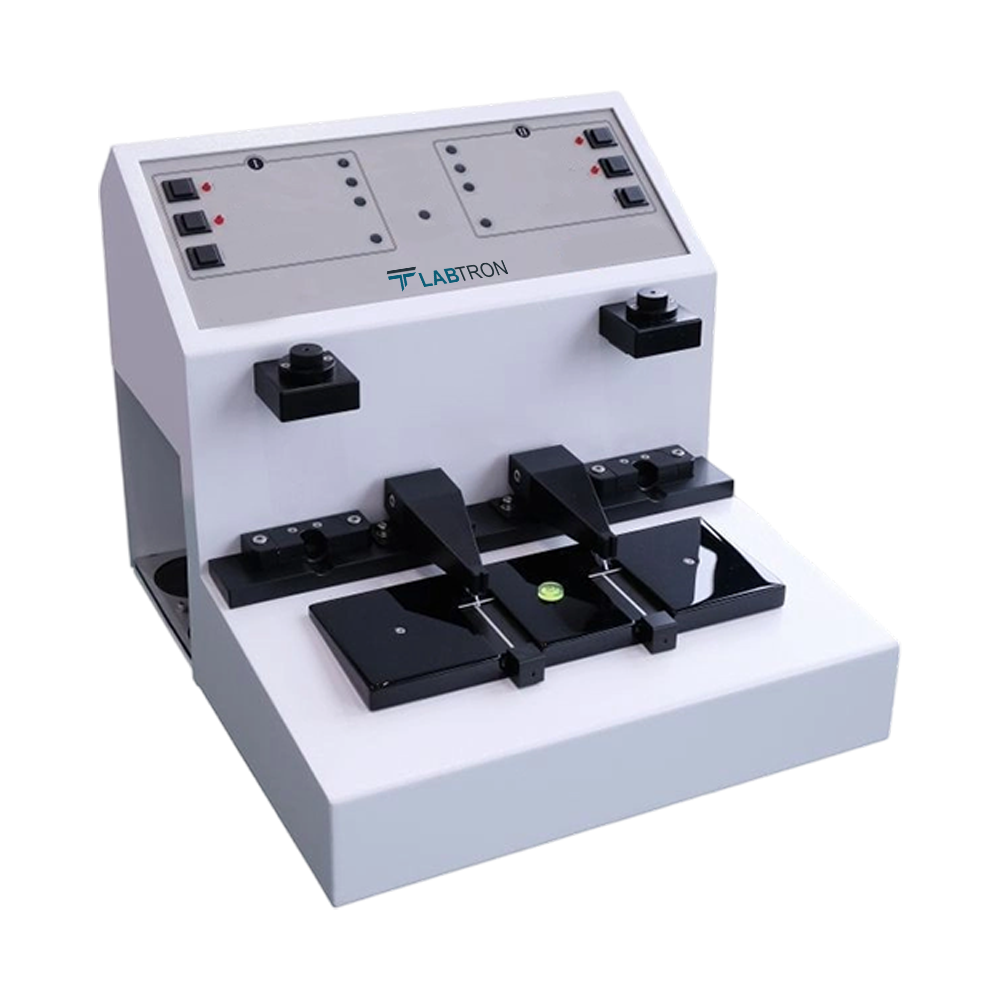
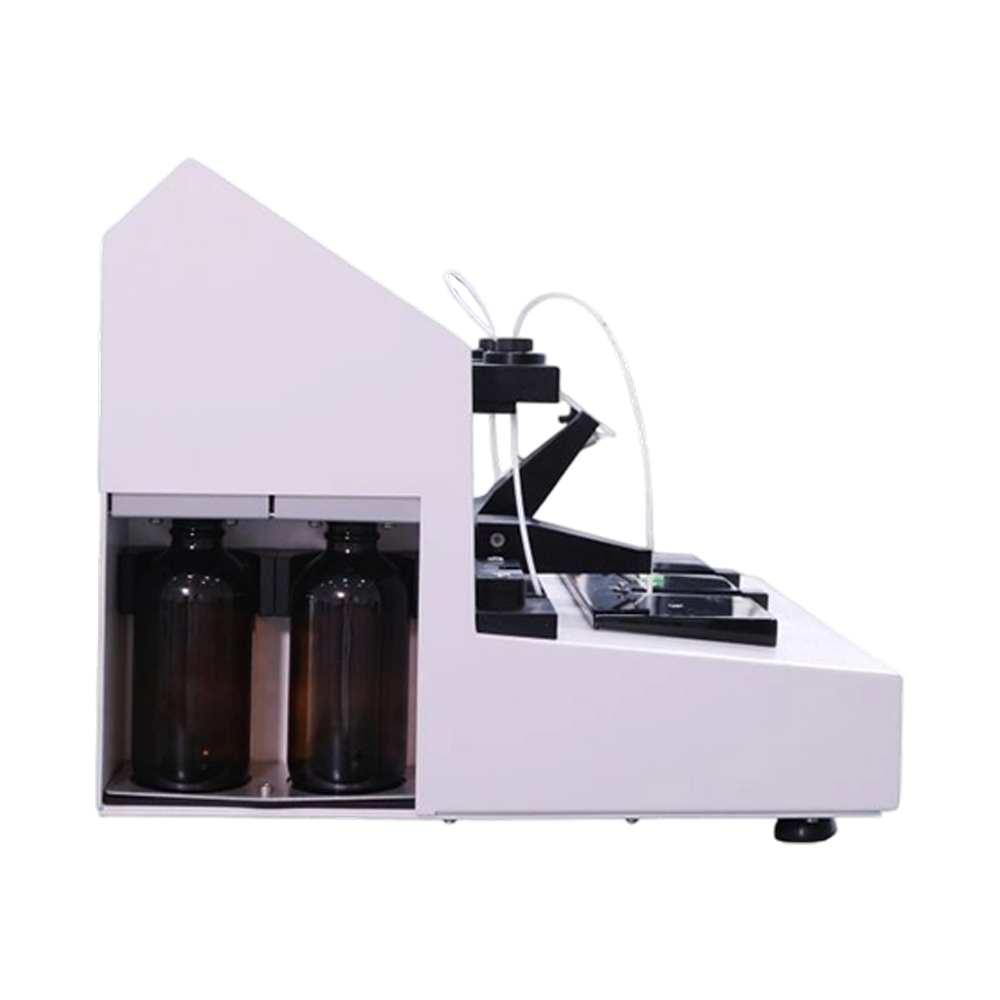
Analytical Ferrospectrometer LALF-A10 is used to separate and evaluate wear particles and pollutant particles in lubricating oil, hydraulic oil, coolant, or fuel in use. Our Analytical Ferrospectrometer has wide applications like the railway system, the steel industry, the electric power industry, and naval defense.
Download catalog for
Analytical Ferrospectrometer LALF-A10 Catalog
Analytical Ferrospectrometers are advanced equipment used to analyze the particle contents present in an oil sample, helping in the study of the components in the oil sample. These equipment analyses are based on analyzing the magnetic properties of the iron content in the sample. These Ferrospectrometers have a compact and portable design, makes transportation easy. Our analytical Ferrospectrometers are compact and portable designs used in areas like the Transportation industry, steel industry, power industry, navy defense, etc.
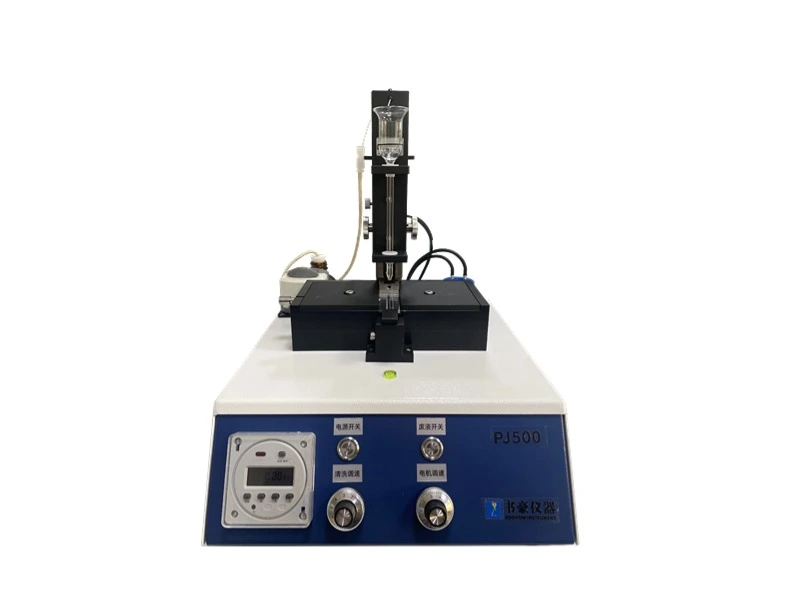
Labtron’s Analytical Ferrospectrometer LALF-A10 combines quantitative and qualitative Ferrography in a single unit. It separates ferrous particles from oil using a strong magnetic field and deposits them on a glass slide. The instrument then quantifies the particle concentration and provides visual analysis under a microscope. This dual method enables not only measurement of wear severity but also identification of particle shapes and types, giving insights into the specific wear mechanisms affecting the machinery.
The Analytical Ferrospectrometer LALF-A10 detects a wide range of ferromagnetic particles, including fatigue flakes, cutting particles, sliding wear debris, and corrosion residues. While it focuses primarily on iron-based particles due to its magnetic separation, non-ferrous particles like copper or aluminum may also appear in the visual analysis. This allows users to identify abnormal wear conditions in rotating and sliding components such as gears, bearings, or shafts, supporting early diagnostics and corrective maintenance.
Labtron’s Analytical Ferrospectrometer LALF-A10 performs dual analysis by combining a ferrography unit and particle quantification system. First, the magnetic field attracts and deposits particles on a slide for microscope observation. Then, the particle concentration is quantified based on magnetic response, offering a wear severity index. This comprehensive analysis helps determine both the amount and type of wear, enhancing the accuracy of equipment diagnostics and helping predict potential failures before they escalate.
Oil samples should be well-shaken to disperse particles uniformly. Typically, 10 milliliters of oil is used per test. For highly viscous oils, dilution with a compatible solvent may be needed to ensure proper flow and deposition. Proper cleaning of the sample path and deposition glass is essential to avoid cross-contamination. Following consistent sample preparation ensures accurate, repeatable results, making the analysis reliable for trend monitoring and fault detection.
Labtron’s Analytical Ferrospectrometer LALF-A10 requires routine cleaning of its sample line, magnetic deposition slide, and optical components to prevent residue buildup. Calibration involves checking particle concentration readings with known standards or verifying microscope magnification and image clarity. The instrument may include software prompts for scheduled maintenance and diagnostics. Adhering to the recommended maintenance ensures stable performance, reduces analysis errors, and extends the operational life of the device, supporting long-term reliability in wear debris monitoring.
Analytical ferrospectrometers are used to detect and quantify ferrous wear particles suspended in lubricating oils. They provide early warning of abnormal wear by measuring magnetic particle content and characteristics. These instruments are vital in predictive maintenance, allowing users to track machine condition, identify component failures, and prevent costly breakdowns. Ferrospectrometers support both laboratory and field-based analysis for engines, turbines, and hydraulic systems in industries like power generation, aviation, transportation, and manufacturing.
Unlike traditional spectrometers that detect atomic emissions from dissolved metal elements, analytical ferrospectrometers focus on solid ferrous particles suspended in oil. They rely on magnetic or electromagnetic detection rather than light emission, making them more effective at capturing larger wear debris that traditional ICP or RDE spectroscopy might miss. This makes ferrospectrometers ideal for monitoring mechanical wear rather than chemical composition, offering a valuable complement to other oil analysis methods for comprehensive condition monitoring.
Ferrospectrometers are commonly used in monitoring engines, gearboxes, turbines, compressors, hydraulic systems, and industrial machinery. Any equipment with metal-on-metal contact and oil lubrication benefits from ferrous wear monitoring. These systems are often found in sectors such as aerospace, marine, defense, automotive, mining, and manufacturing. Ferrospectrometers help detect wear in critical components like bearings, gears, pistons, and cams—allowing for preventive action before severe damage or unexpected equipment downtime occurs.
Ferrospectrometers can measure particle concentration, size distribution, and magnetic properties, depending on the model. Some systems also provide morphological information via ferrography or imaging features. The data helps determine wear severity and type such as abrasive, corrosive, or fatigue wear. These insights are valuable in diagnosing the source of wear, determining the urgency of maintenance, and ensuring safe and efficient machinery operation. Advanced models may combine this with software for trend analysis and automated alerts.
Routine cleaning of sample paths, magnetic sensors, and deposition slides is essential to prevent contamination and ensure accuracy. Calibration typically involves using standard ferromagnetic solutions or reference slides to validate instrument performance. The frequency of calibration depends on usage intensity and environment. Some models feature automatic calibration prompts and diagnostics. Regular upkeep and following manufacturer guidelines will ensure consistent, repeatable results, making the ferrospectrometer a reliable tool for long-term condition monitoring and oil diagnostics.
Post your question?
Our experts are here to help!
Labtron Equipment Ltd., Quatro House, Lyon Way, Camberley, Surrey GU16 7ER United Kingdom
Email: info@labtron.com Whatsapp: +44 73 4441 2688 Phone: +44 2080 043608