info@labtron.com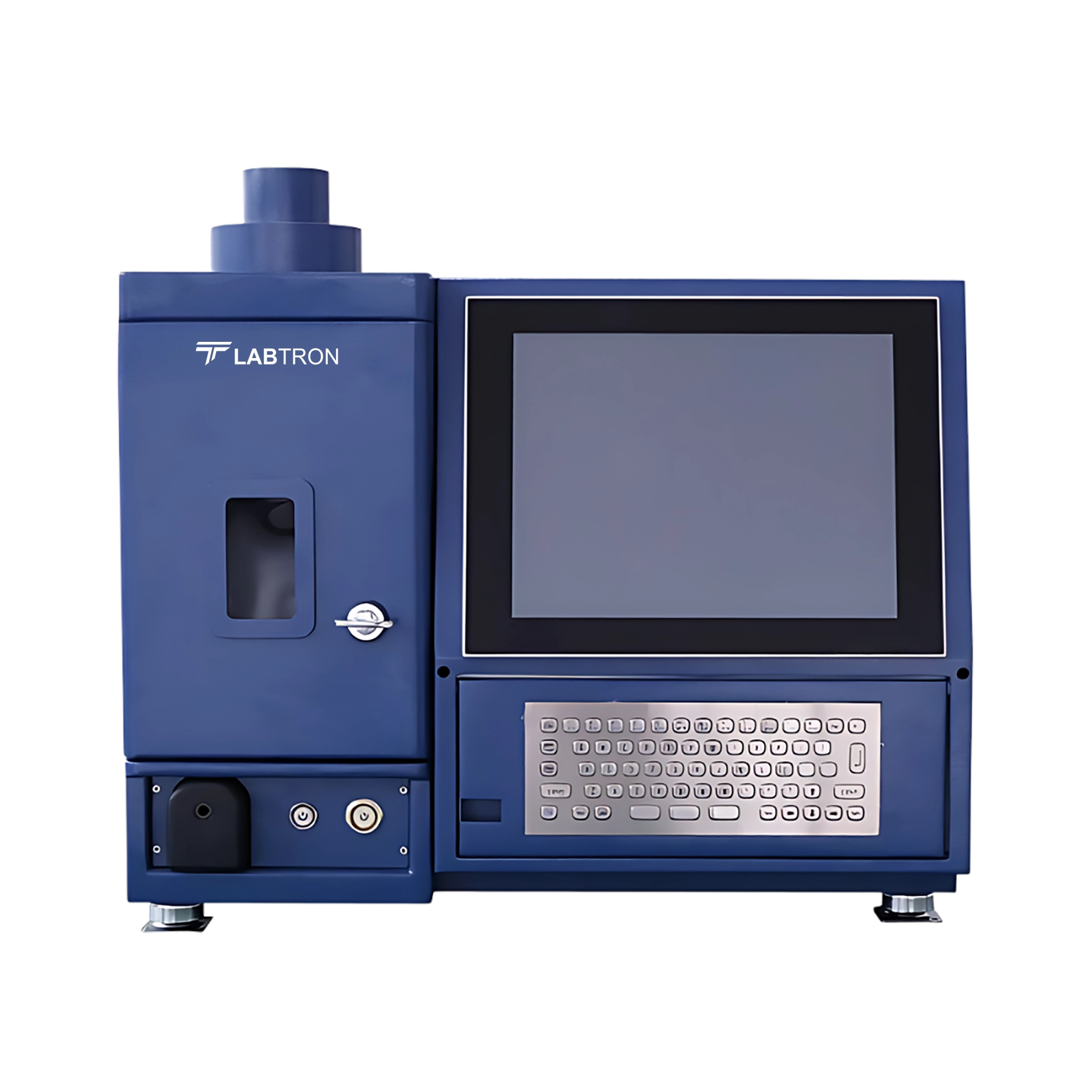

| Power Supply | AC 220 V ± 10 %,50-60 Hz |
| Ambient temperature | 38 °C ± 0.1 °C |
| Test time | 30 S |
| Sample Volume | 2 ml |
| Optical structure | Paschen-Runge structure, Roland circle device |
| Optical focal length | 400 mm |
| Spectrum line range | 190-800 nm |
| Detector | CCD |
| Detection limit | Less than 1ppm |
| Size | 550 × 330 × 430 mm |
| Weight | 64 kg |
| Detection elements | Standard 24 elements, expandable up to 32 elements |
| Measuring range | 0 to 6000 ppm |
Fast Testing Results
Desktop Design
High resolution testing
Qualitative and quantitative analysis functions
User-friendly operations
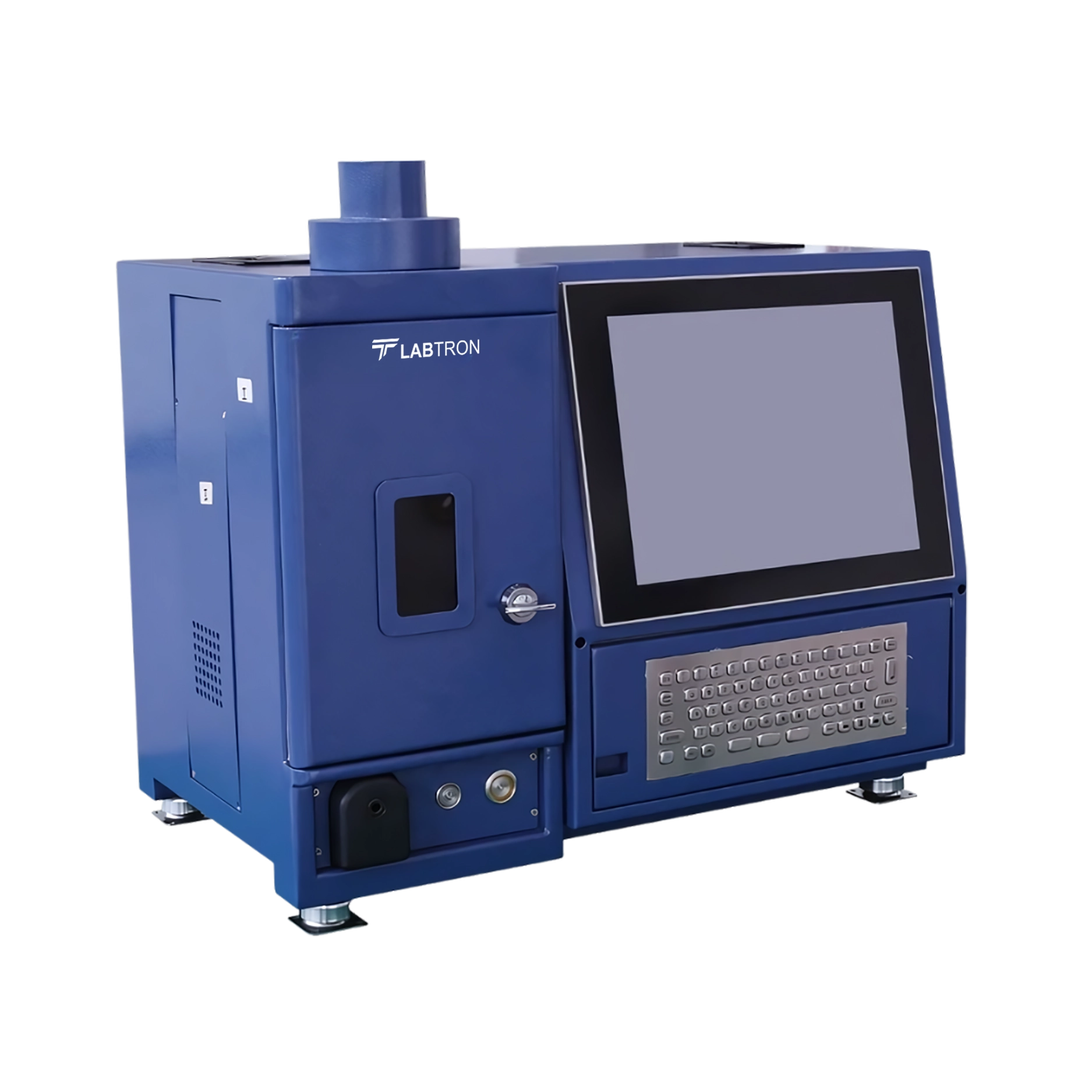
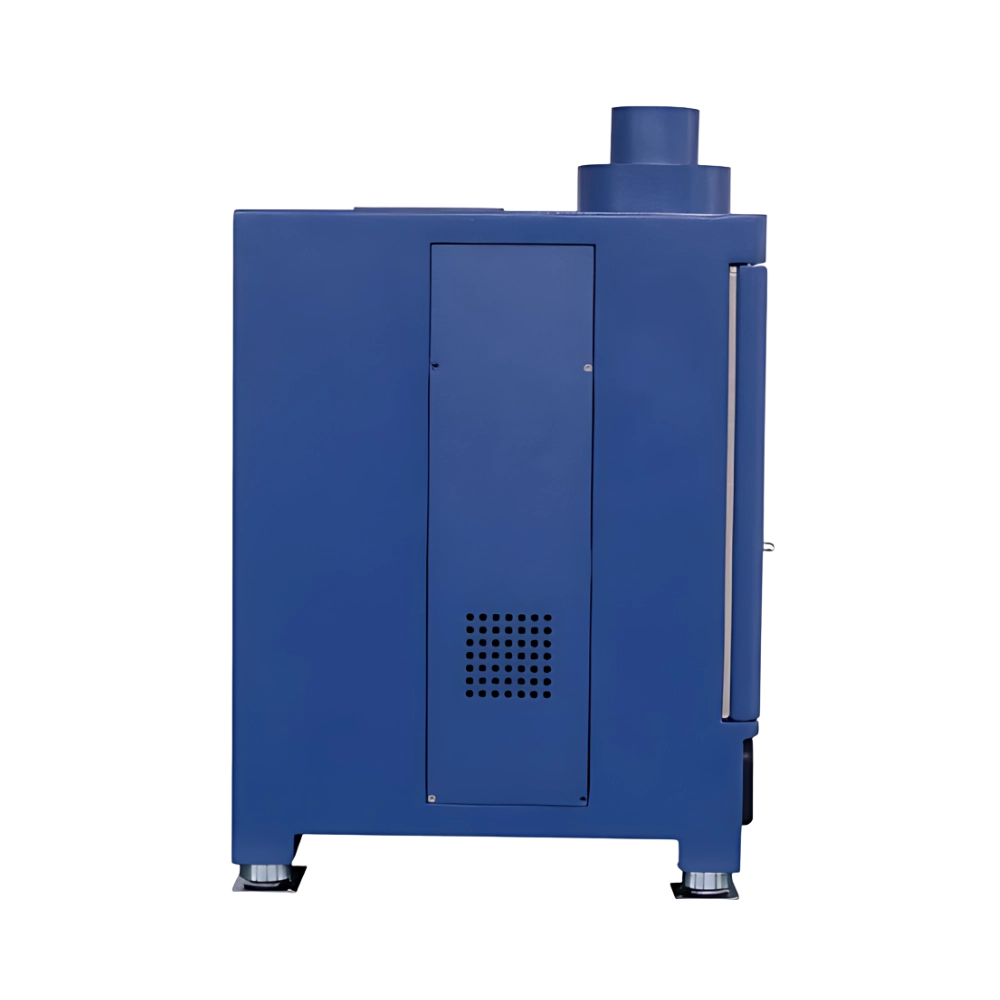
The Oil Spectrometer LSMO-A12 is used for analysis of electrode oil based on the principle of atomic emission spectroscopy. Our Oil Spectrometer is suitable for the elemental analysis of new and used lubricating oils, hydraulic oils, has a wide application in military, aerospace, electricity, and transportation.
Oil Spectrometer are used for monitoring and evaluating the condition of lubricating oils by detecting metal wear particles, contaminants, and additives. Their working principle uses electric arc or spark to energize the oil sample to analyze the metals present in the oil sample. These Spectrometer have a very sensitive sensors which has precise measurements and result analysis with display on the screen. Additionally, these equipments can analyze 24 periodic elements in a sample and can be modified to detect desired number of elemental traces. Our Oil Spectrometers have specialized CCD detector for light detection and image sensing makes it efficient in time and performance.
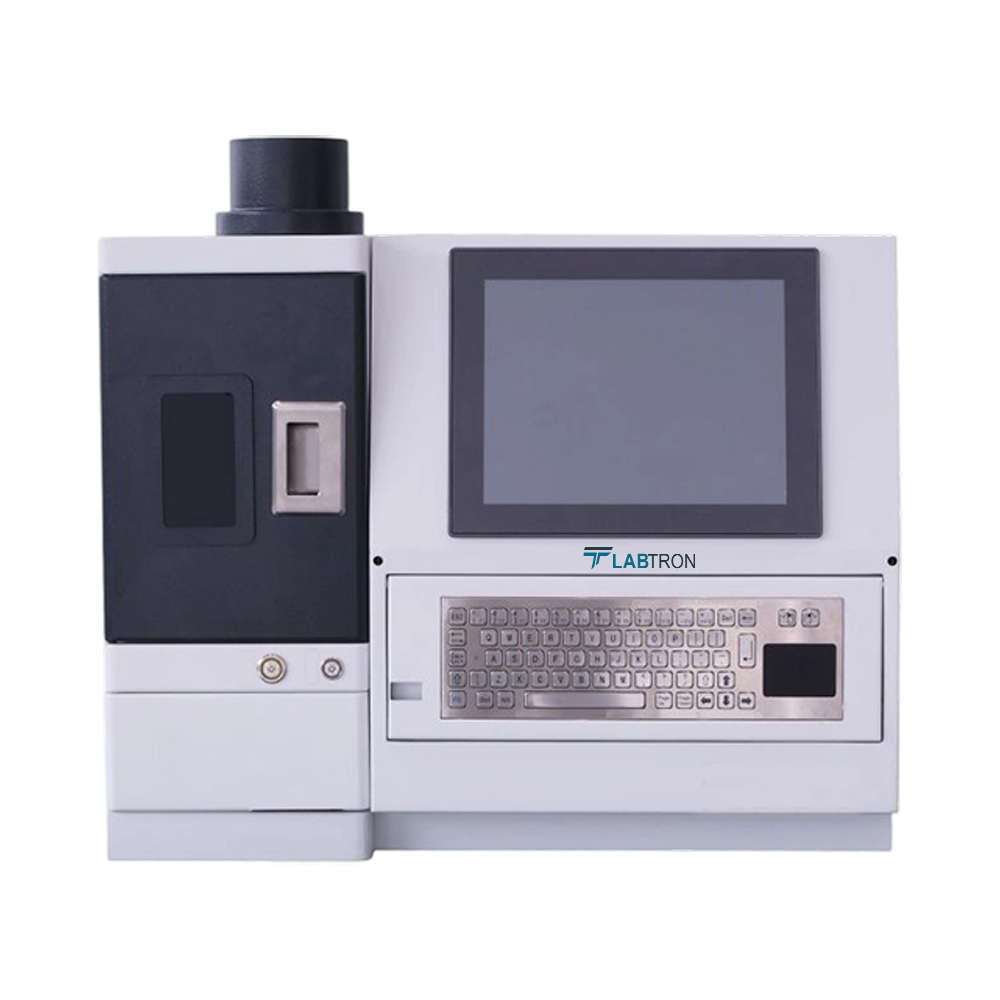

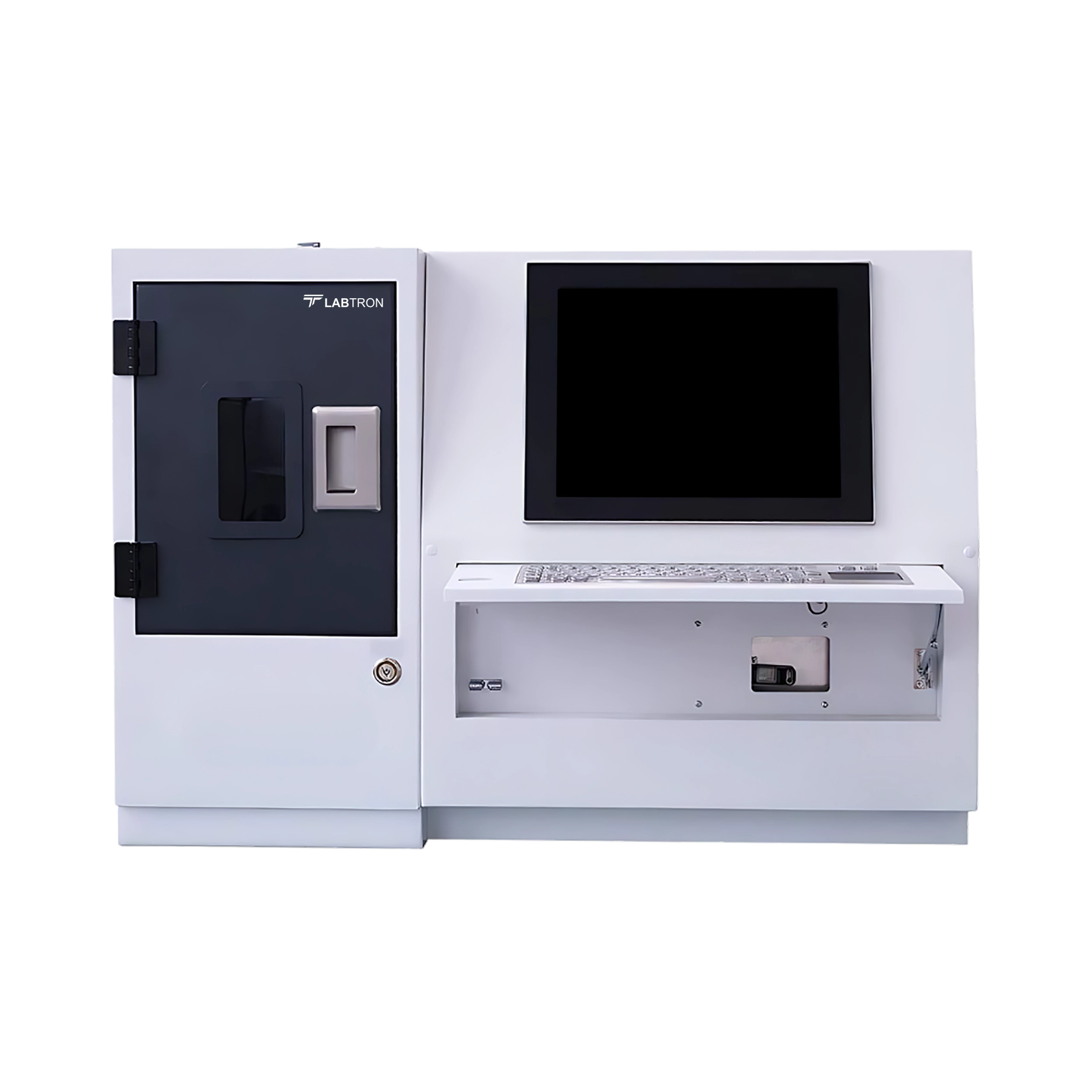

Labtron’s Oil Spectrometer LSMO-A12 utilizes rotating disk electrode (RDE) atomic emission spectroscopy to detect metallic elements in oil samples. A high-voltage arc excites particles in the sample, causing them to emit light at element-specific wavelengths. The spectrometer measures the intensity of this light to determine the concentration of wear metals, contaminants, and additives. This method enables fast, simultaneous multi-element analysis, making the Oil Spectrometer ideal for routine oil monitoring in engines, hydraulic systems, and industrial machinery.
The Oil Spectrometer LSMO-A12 detects a broad spectrum of elements, including iron, copper, lead, tin, chromium, aluminum, nickel, silver, sodium, potassium, silicon, boron, calcium, magnesium, phosphorus, and zinc. These elements help monitor equipment wear, contamination, and additive levels in oil. The PO300’s multi-element capability allows for a detailed diagnosis of oil condition and machinery health, supporting early fault detection and optimized maintenance scheduling in industries such as transportation, power generation, and heavy equipment.
Labtron’s Oil Spectrometer LSMO-A12 requires approximately 1 to 2 milliliters of oil for each test. This small volume allows for efficient testing, especially in laboratories with high sample throughput. The sample is typically diluted with a base oil or solvent and thoroughly mixed to ensure homogeneity. Proper preparation ensures accurate readings by minimizing inconsistencies in particle distribution. This ease of handling and low sample requirement makes the PO300 suitable for both field use and laboratory environments.
The Oil Spectrometer LSMO-A12 provides high sensitivity, with detection limits generally ranging from 1 to 10 ppm for most elements. Its repeatability and accuracy meet or exceed industry standards, making it reliable for trending analysis over time. The instrument’s stable performance and fine resolution enable it to detect minor increases in metal concentrations, which can indicate early wear or contamination. This capability makes the PO300 a trusted tool in predictive maintenance programs for critical equipment.
Regular maintenance of Labtron’s Oil Spectrometer LSMO-A12 includes cleaning the electrodes, sample cup, and optical window to prevent residue buildup and ensure consistent results. The system requires routine calibration using certified standard solutions, typically performed daily or before batch testing. The built-in software guides users through calibration and verification steps. Following a preventive maintenance schedule helps maintain long-term performance and minimizes downtime, ensuring that the spectrometer continues to provide accurate, reliable data for oil condition monitoring.
These spectrometers can detect over 20 elements, including Fe, Cu, Al, Pb, Si, Na, K, Cr, Mg, Zn, Ca, and Ni. Identifying these elements helps pinpoint component wear, coolant leaks, or contamination issues early.
The Oil Spectrometer Series is designed to analyze wear metals, contaminants, and additive elements in lubricating oils using atomic emission spectroscopy (AES). It provides fast and accurate elemental analysis, helping monitor machine health, detect early wear, and plan preventive maintenance. Common applications include engines, turbines, and industrial equipment where oil condition directly impacts performance and longevity.
Oil Spectrometers can detect over 20 elements, including Fe, Cu, Al, Pb, Si, Na, K, Cr, Mg, Zn, Ca, and Ni. These elements indicate wear particles, additives, and contaminants. Accurate detection of trace elements helps identify component wear, coolant leaks, or contamination issues early. The system provides precise, real-time results, ensuring informed decisions for maintenance and failure prevention.
Oil Spectrometers uses rotating disc electrode (RDE) atomic emission spectroscopy. In this method, an electric arc excites atoms in the oil sample, and the emitted light at specific wavelengths is measured to determine elemental concentrations. The technique is fast, reliable, and ideal for used oil analysis. It follows ASTM D6595 standards, making it widely accepted in condition monitoring.
Oil Spectrometers require minimal sample preparation. A small quantity (typically 2–3 ml) of well-mixed used oil is placed between two electrodes. No digestion or dilution is needed, making it quick and efficient. It’s important to homogenize the sample before testing to ensure accurate and repeatable readings. Regular cleaning of electrodes and checking oil viscosity help maintain optimal performance and reliability.
Routine maintenance includes cleaning the electrodes, replacing worn parts, and calibrating the instrument using standard oil samples. Keeping the optical system clean and checking arc stability ensures accurate results. Software updates and periodic verification against certified reference materials maintain measurement integrity. Scheduled maintenance enhances the lifespan of the equipment and ensures consistent performance, especially in high-throughput environments like oil analysis labs and maintenance centers.
Post your question?
Our experts are here to help!
Labtron Equipment Ltd., Quatro House, Lyon Way, Camberley, Surrey GU16 7ER United Kingdom
Email: info@labtron.com Whatsapp: +44 73 4441 2688 Phone: +44 2080 043608