info@labtron.com

| Power Supply | AC 220V+/-10%,50-60Hz |
| Ambient temperature | 0℃ to 55℃ |
| Test time | 30S |
| Optical structure | Paschen-Runge structure, Roland circle device |
| Optical focal length | 500 mm |
| Spectrum line range | 200-800 nm |
| Detector | CCD (3648 can be upgraded to 43776 resolution) |
| Detection limit | Less than 1ppm |
| Size | 860 × 470 × 620 mm |
| Weight | 95 kg. |
| Detection elements | Regular 24 elements |
| Measuring range | 0 to 6000 ppm |
Fast Sample Testing
Full spectrum analysis technology
High resolution
User-friendly operation
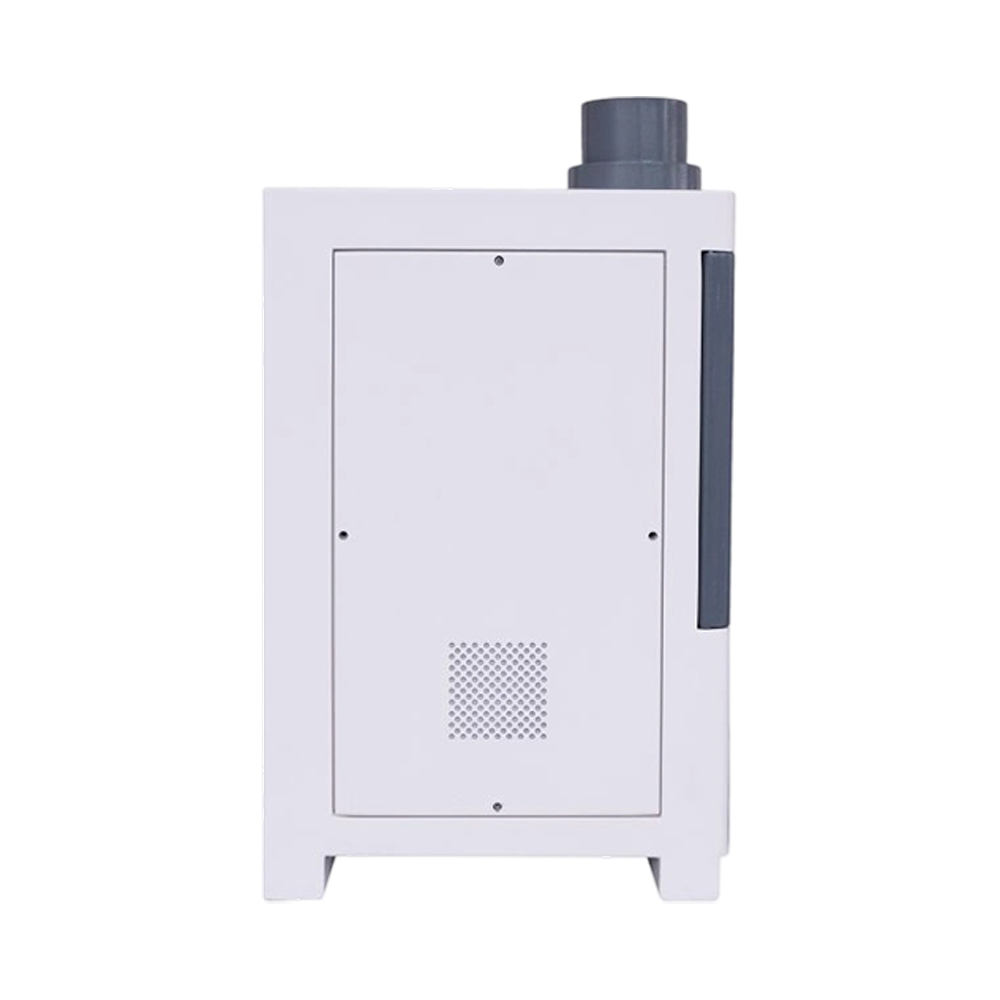
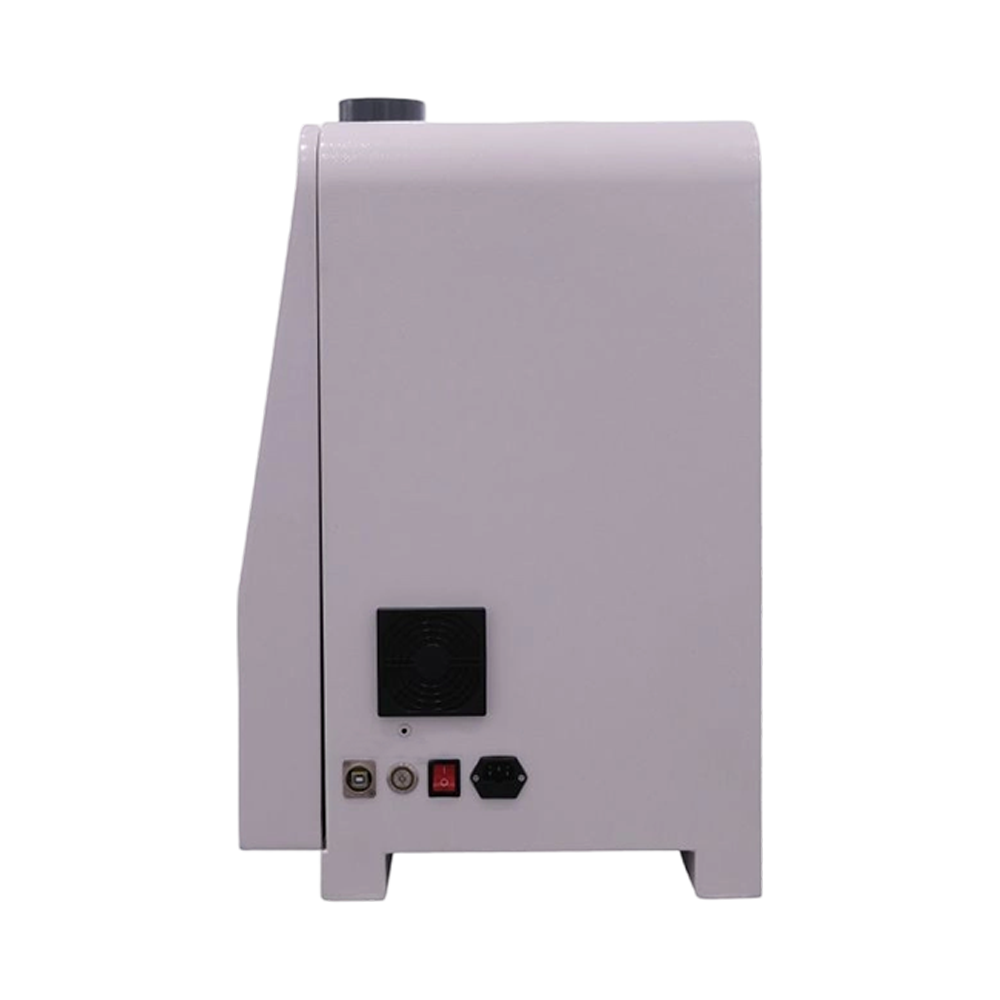
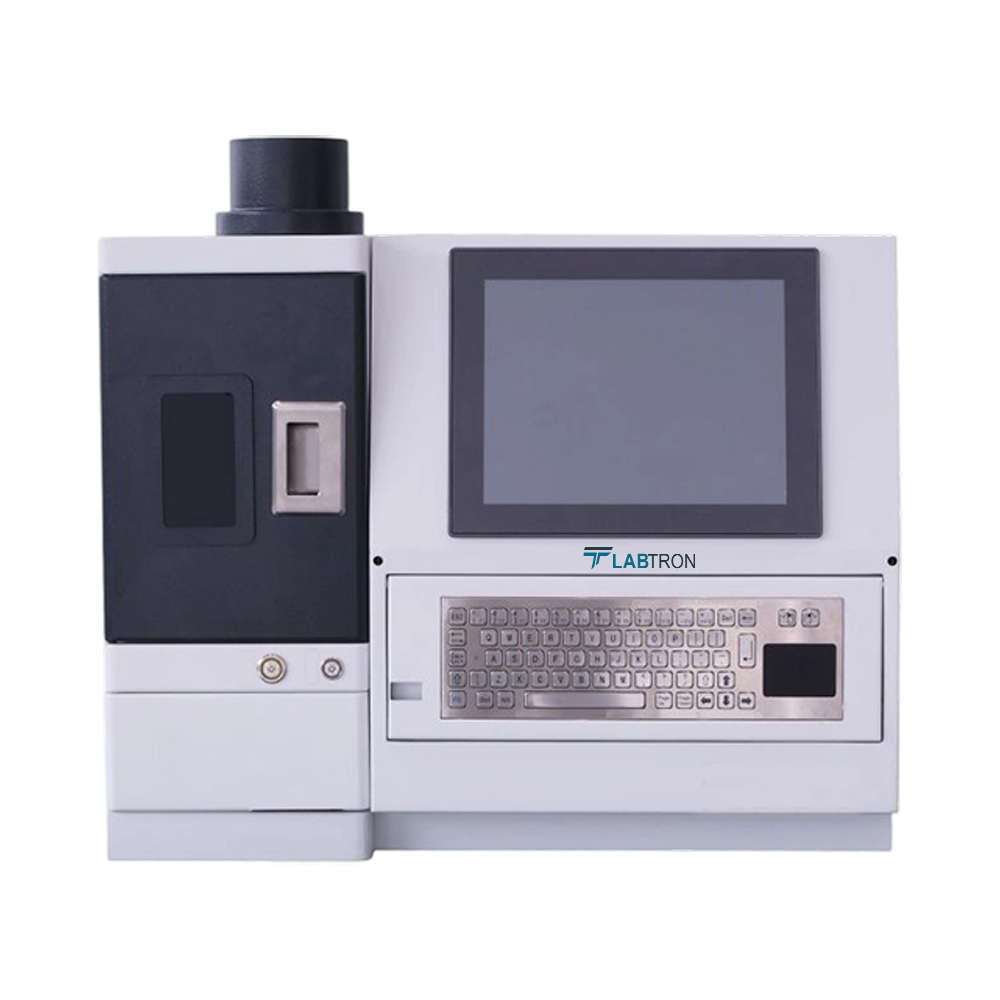
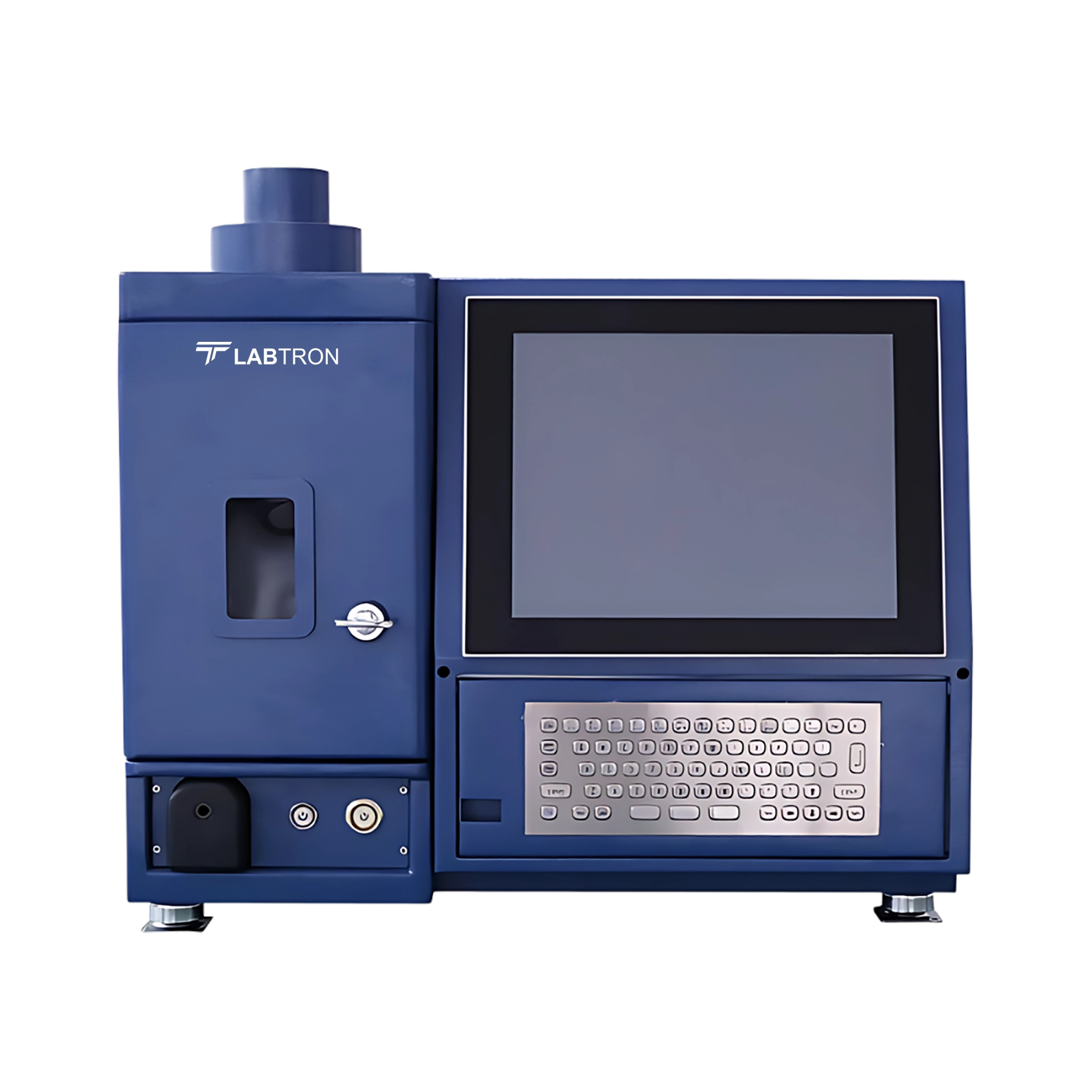
The Oil Spectrometer LSMO-B11 is designed to accurately test and detect elements using the light spectrum of 200-800 nm. Our oil spectrometer has a measuring range of 0 to 6000 ppm capacity with software compatible with computers.
Oil Spectrometer are used for monitoring and evaluating the condition of lubricating oils by detecting metal wear particles, contaminants, and additives. Their working principle uses electric arc or spark to energize the oil sample to analyze the metals present in the oil sample. These Spectrometer have a very sensitive sensors which has precise measurements and result analysis with display on the screen. Additionally, these equipments can analyze 24 periodic elements in a sample and can be modified to detect desired number of elemental traces. Our Oil Spectrometers have specialized CCD detector for light detection and image sensing makes it efficient in time and performance.

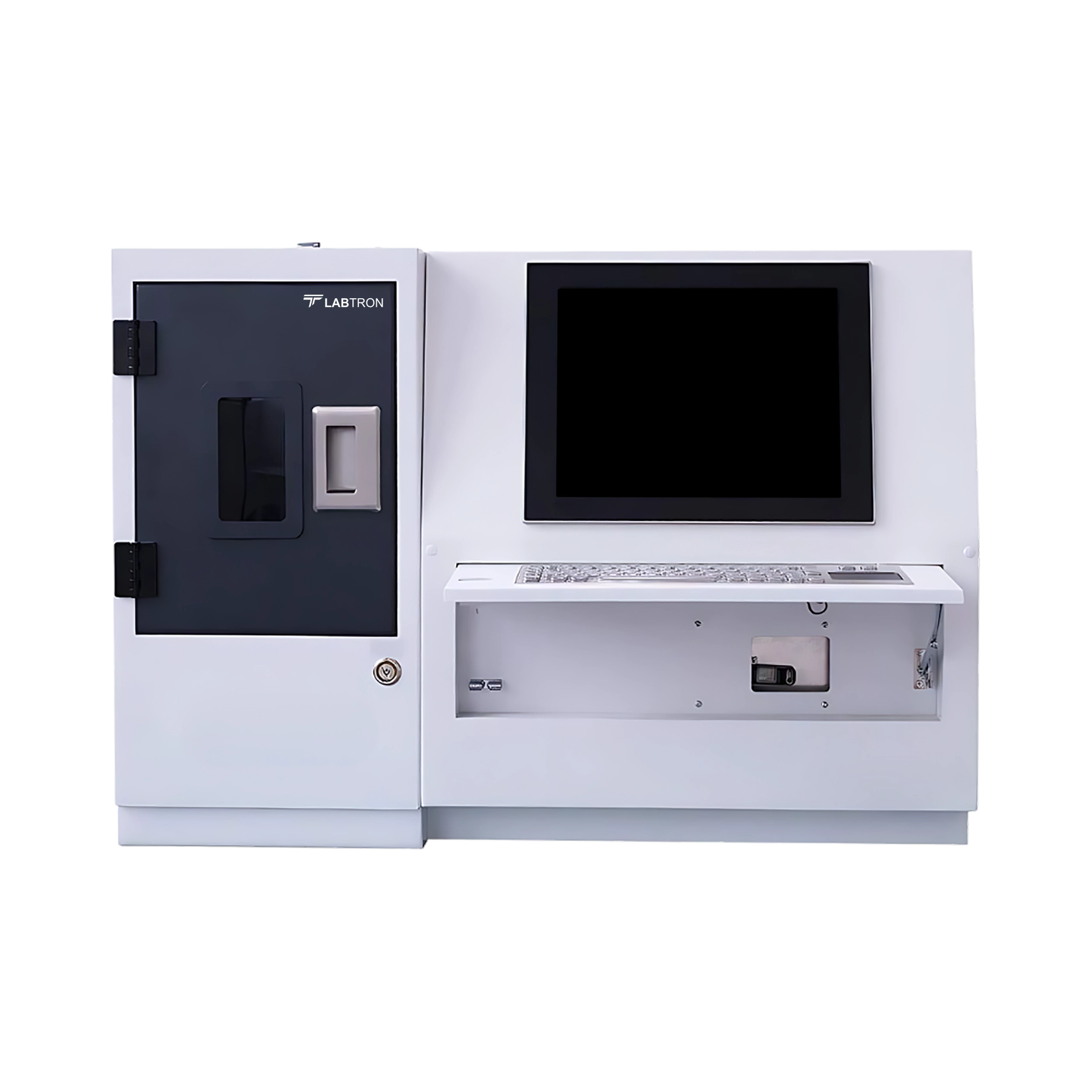
The Oil Spectrometer LSMO-B11 is capable of detecting a wide range of elements commonly found in lubricating oils, including wear metals like iron, nickel, copper, lead, and tin; contaminants like silicon and sodium; and additive elements such as calcium, magnesium, phosphorus, and zinc. This broad detection capability allows for comprehensive oil condition monitoring, identifying both mechanical wear and lubricant degradation, and is especially valuable for preventive maintenance in engines, gearboxes, compressors, and hydraulic systems.
The Oil Spectrometer LSMO-B11 offers high sensitivity and accuracy, capable of detecting trace element concentrations as low as a few parts per million (ppm). It uses a stable arc excitation system and high-resolution optics to ensure repeatable results. The instrument provides reliable readings for trend analysis, early fault detection, and wear diagnostics. Calibration with certified standards ensures consistent performance, making it ideal for high-precision environments such as aviation maintenance, power generation, and heavy machinery monitoring.
Calibration of Labtron’s Oil Spectrometer LSMO-B11 is performed using certified multi-element standard oils that match the expected element range. Regular calibration checks are recommended to maintain accuracy, especially when changing oil types or testing critical samples. Maintenance includes cleaning the electrode assembly and sample chamber, checking the arc system, and replacing consumables as needed. The instrument’s software provides alerts and guides for calibration and maintenance, ensuring reliable performance with minimal user intervention in routine lab operations.
Labtron’s Oil Spectrometer LSMO-B11 is suitable for testing new and used lubricating oils, hydraulic fluids, gear oils, and engine oils from a variety of industrial, automotive, and aerospace applications. It requires minimal sample preparation—typically just homogenization—before being introduced into the excitation source. The system is designed to handle oil samples with fine metallic particles (under 5 microns), and it may not detect large particles that settle out of suspension or are filtered from the oil.
Labtron’s Oil Spectrometer LSMO-B11 operates on the principle of atomic emission spectroscopy (AES). It uses an electric arc or spark to excite atoms in an oil sample, causing them to emit light at characteristic wavelengths. The spectrometer detects and measures this light to identify and quantify elements such as iron, copper, chromium, and aluminum. This method is highly effective for monitoring wear metals, contaminants, and additives in lubricating oils, helping assess equipment condition and lubricant health.
These spectrometers can detect over 20 elements, including Fe, Cu, Al, Pb, Si, Na, K, Cr, Mg, Zn, Ca, and Ni. Identifying these elements helps pinpoint component wear, coolant leaks, or contamination issues early.
The Oil Spectrometer Series is designed to analyze wear metals, contaminants, and additive elements in lubricating oils using atomic emission spectroscopy (AES). It provides fast and accurate elemental analysis, helping monitor machine health, detect early wear, and plan preventive maintenance. Common applications include engines, turbines, and industrial equipment where oil condition directly impacts performance and longevity.
Oil Spectrometers can detect over 20 elements, including Fe, Cu, Al, Pb, Si, Na, K, Cr, Mg, Zn, Ca, and Ni. These elements indicate wear particles, additives, and contaminants. Accurate detection of trace elements helps identify component wear, coolant leaks, or contamination issues early. The system provides precise, real-time results, ensuring informed decisions for maintenance and failure prevention.
Oil Spectrometers uses rotating disc electrode (RDE) atomic emission spectroscopy. In this method, an electric arc excites atoms in the oil sample, and the emitted light at specific wavelengths is measured to determine elemental concentrations. The technique is fast, reliable, and ideal for used oil analysis. It follows ASTM D6595 standards, making it widely accepted in condition monitoring.
Oil Spectrometers require minimal sample preparation. A small quantity (typically 2–3 ml) of well-mixed used oil is placed between two electrodes. No digestion or dilution is needed, making it quick and efficient. It’s important to homogenize the sample before testing to ensure accurate and repeatable readings. Regular cleaning of electrodes and checking oil viscosity help maintain optimal performance and reliability.
Routine maintenance includes cleaning the electrodes, replacing worn parts, and calibrating the instrument using standard oil samples. Keeping the optical system clean and checking arc stability ensures accurate results. Software updates and periodic verification against certified reference materials maintain measurement integrity. Scheduled maintenance enhances the lifespan of the equipment and ensures consistent performance, especially in high-throughput environments like oil analysis labs and maintenance centers.
Post your question?
Our experts are here to help!
Labtron Equipment Ltd., Quatro House, Lyon Way, Camberley, Surrey GU16 7ER United Kingdom
Email: info@labtron.com Whatsapp: +44 73 4441 2688 Phone: +44 2080 043608