info@labtron.com

| pH Measuring Range | 0 to14.0 pH |
| pH Resolution | 0.1pH |
| pH Accuracy | ± 0.1 pH |
| Stability | ± 0.1 pH / 3h |
| Temp. compensation range | 0 to 60°C |
| Show Temperature | No |
| Auto Calibration | 1 point (pH 7.00) |
| Power Supply | Lithium Batteries (CR2032) × 2 |
| Product Dimension | 148 × 29 × 14 mm |
| Weight | 43 g |
Customizable Measurement Intervals
Low Voltage Alarm
IP57 Waterproof Rating
Single Button Operation
Non- Temperature Display
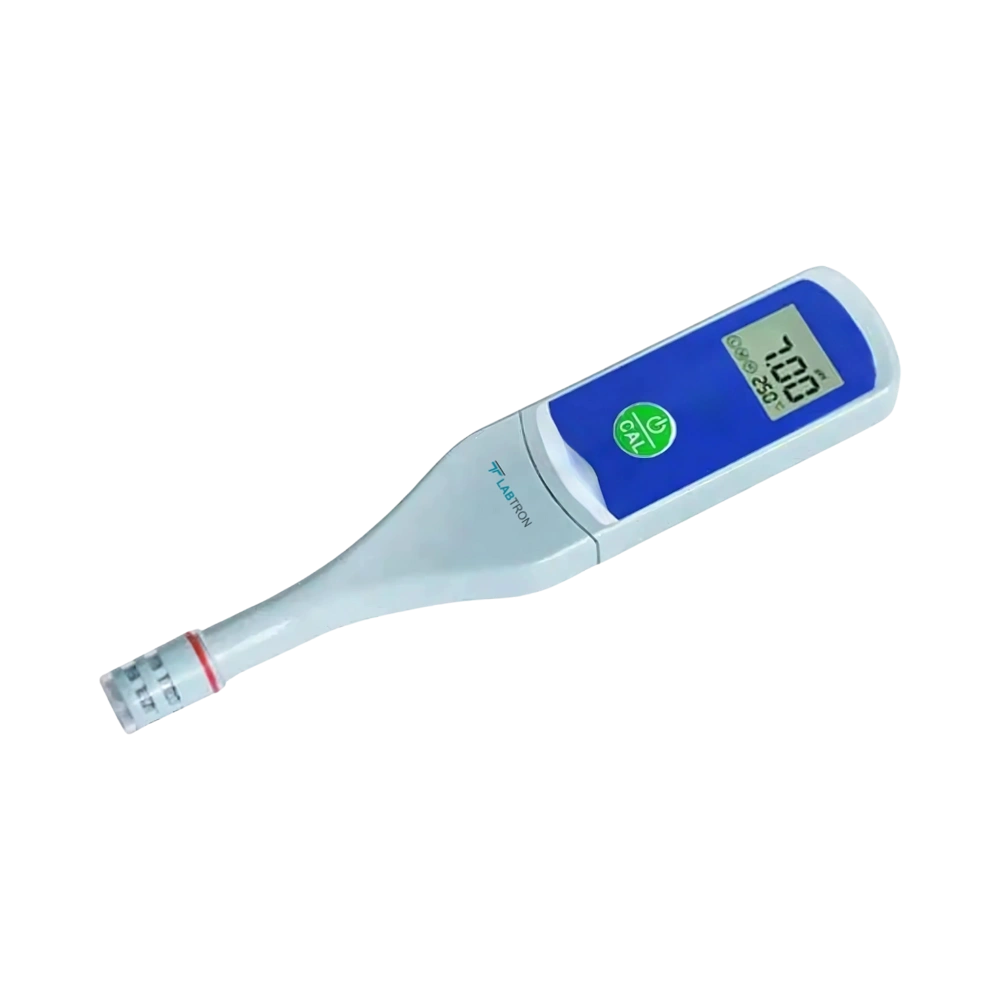
Pen-type pH Meter LPHM-B11 uses a pH-sensitive electrode to provide instant readings on a digital display. It plays a key role in water treatment plants, soil testing, gardening, swimming pools, and spas for checking water pH levels.
Download catalog for
Pen-type PH Meter LPHM-B11 Catalog
Labtron offers a diverse range of Pen-type pH Meters designed to measure hydrogen ion concentration in various samples. It features a portable, lightweight design for easy handling across multiple applications. The pH Meter with its digital display provides clear and convenient readings. Its waterproof construction and replaceable electrodes enhance the durability and lifespan of the pH Meter. Our pH Meter is widely utilized in water testing, educational laboratories, research facilities, and industrial quality control settings.


Labtron supplies advanced models of pen-type pH meter. Replacing the electrode in a pen-type pH meter is straightforward. Begin by removing the protective cap and unscrewing the plastic ring at the top of the electrode. Gently pull out the old electrode and replace it with a new one, ensuring that the gaskets are properly seated. Screw the ring back into place securely. It's essential to handle the electrode carefully to avoid damage. Always use a compatible replacement electrode recommended by the manufacturer. After replacement, recalibrate the meter to ensure accurate readings. Regular electrode replacement maintains the meter's performance and reliability.
Labtron supplies pen type pH meter. Response time depends largely on the condition of the glass electrode and the sample’s characteristics. Fresh, well-maintained electrodes with clean junctions respond faster to changes in pH. Samples with high ionic strength typically yield quicker stabilization of readings compared to low ionic strength or viscous liquids. Temperature also affects response time; higher temperatures generally speed up electrode response. To optimize performance, regular electrode cleaning and calibration are essential, as fouling or contamination slows response. Avoiding abrupt sample changes and using appropriate sample volumes ensures stable measurements. Advanced meters include signal filtering and data averaging to deliver steady readings quickly. Overall, maintaining electrode integrity and correct usage habits enhances response efficiency.
Common sources of error include electrode contamination, improper calibration, temperature fluctuations, and sample contamination. Dirty or clogged electrodes may produce unstable or inaccurate readings, so regular cleaning is vital. Calibration with expired or incorrect buffer solutions leads to systematic errors and should be avoided. Temperature effects must be compensated automatically or corrected manually, as ignoring this can skew results. Sample contamination, such as residues from previous samples or environmental dirt, can interfere with electrode response. Using clean containers and rinsing electrodes between measurements reduces this risk. Electrical interference or damaged cables may also cause anomalies. Following manufacturer instructions for calibration, cleaning, and storage is essential to minimize errors and ensure consistent accuracy.
Yes, Labtron’s pen type pH meters can measure in highly acidic or alkaline environments, but electrode durability and accuracy depend on the electrode’s construction. Some glass electrodes are specifically designed with robust glass membranes and junction materials to withstand extreme pH values without degradation. Routine calibration and proper maintenance are crucial, as harsh samples can shorten electrode life or cause drift. Temperature compensation and multi-point calibration improve accuracy at the pH scale extremes. Specialized electrode coatings may protect against fouling from aggressive chemicals. For very strong acids or bases, users should verify that the electrode and meter specifications support the required pH range. With correct selection and care, pen type pH meters reliably measure across the full pH spectrum.
Labtron supplies advanced models of pen type pH meter. The condition of the electrode is the primary factor determining the lifespan of a pen type pH meter. Electrodes can degrade due to physical damage, clogging, or contamination by residues and harsh chemicals. Regular cleaning and proper storage in electrode solution help preserve the glass membrane’s sensitivity and junction integrity. Avoiding drying out or exposure to extreme pH values beyond specifications extends electrode life. Frequent calibration detects drift early, indicating when replacement is needed. Some electrodes feature ruggedized membranes for improved durability in industrial or field applications. Ultimately, proactive maintenance and correct handling optimize performance and prolong electrode lifespan, ensuring reliable pH measurements over time.
Post your question?
Our experts are here to help!
Labtron Equipment Ltd., Quatro House, Lyon Way, Camberley, Surrey GU16 7ER United Kingdom
Email: info@labtron.com Whatsapp: +44 73 4441 2688 Phone: +44 2080 043608