info@labtron.com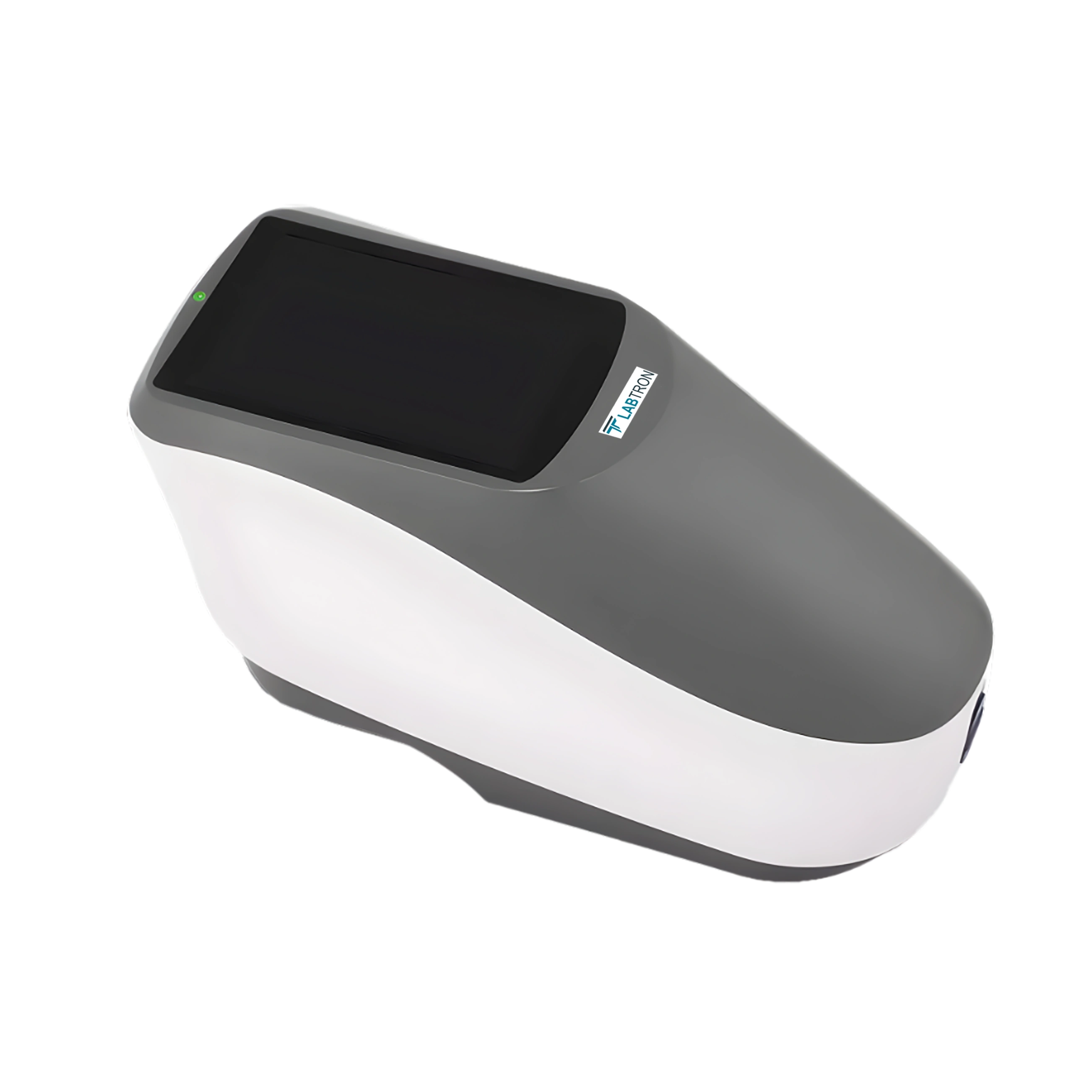

| Wavelength Range | 400 to 700 nm |
| Detector | 256 Image Element Double Array CMOS Image Sensor |
| Optical Geometry | 45/0 |
| Wavelength Pitch | 10nm |
| Half Bandwidth | 10nm |
| Measurement Aperture | Φ2mm, Φ4mm, Φ8mm |
| Color Spaces | CIE LAB, XYZ, Yxy, LCh |
| Color Difference Formula | ΔE × ab, ΔE × 94, ΔE × 00 |
| Measurement Conditions | M0 (CIE Light Source A) M1 (CIE Light Source D50) M2 (Excluding UV Light Source) M3 (M2 + Polarized Light Filter) |
| Viewing Angle | 2 °/10° |
| Illuminant | A, C, D50, D55, D65, D75, F2, F7, F11, F12 |
| Measurement Time | 1.5s |
| Repeatability | Density: Within 0.01 D Chromaticity Value: Within ΔE× ab 0.04 |
| Inter- Instrument Error | Within ΔE× ab 0.2 |
| Measurement Mode | 2 to 99 times |
| Storage | 10000 Pcs |
| Working Environment | Temperature: 0° C to 40° C Humidity: 0 to 85% Altitude: Less than 2000m |
| Storage Environment | Temperature: -20°C to 50° C Humidity: 0 to 85% |
| Dimension | 184 × 77 × 105mm |
| Weight | 600g |
Color Difference Calculation
Fluorescence Detection Mode
Quick Measurement Speed
Camera-Based Positioning System
Spectral Curve Display
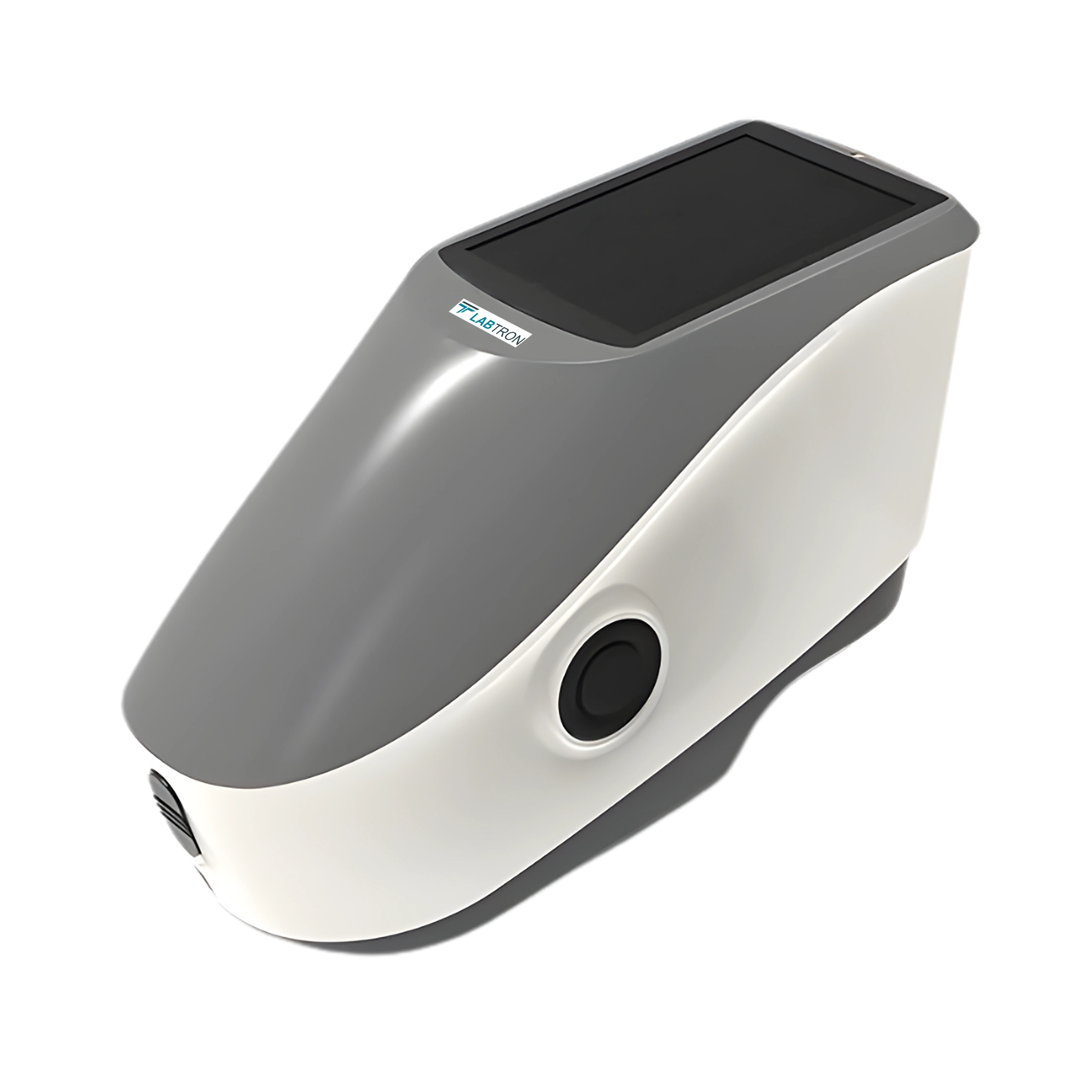
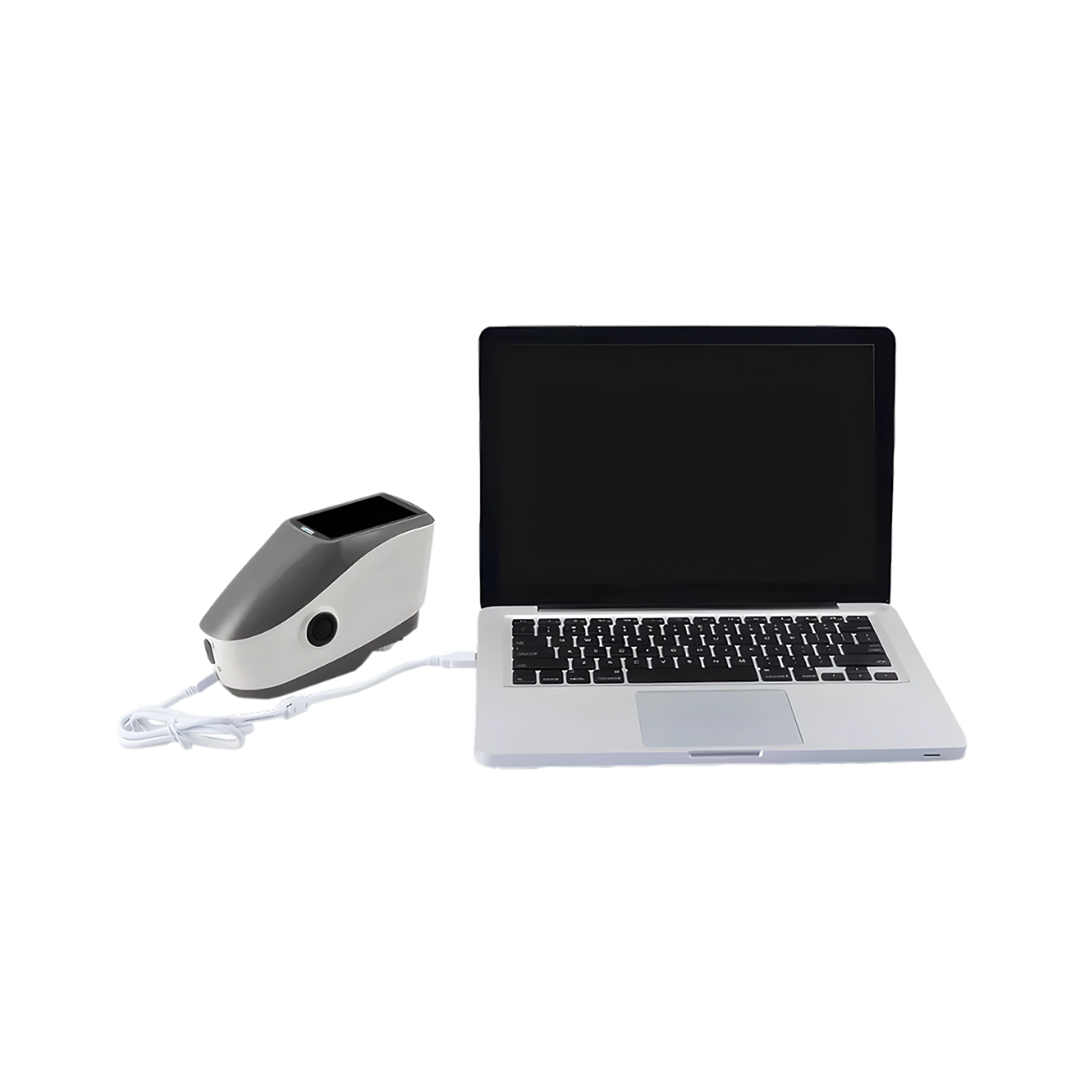
Spectrodensitometer LDTR-C11 is an instrument used to measure the reflectance or transmittance of light at various wavelengths. It is utilized in maintaining color quality in drug formulations and matching colors between digital files and prints.
Accessories Name | Quantity |
Power Adapter | 1 |
USB Cable | 1 |
Built-in li-ion Battery | 1 |
Software | 1 |
White and Black Calibration Board | 1 |
Protective Cover | 1 |
Polarization Filter Box | 1 |
Locating Plate | 1 |
Download catalog for
Spectrodensitometer LDTR-C11 Catalog


Labtron Densitometer are designed with diverse measurement ranges. They can accommodate various material densities, from gases and liquids to solids. They are integrated with a digital temperature sensor to reduce measurement variability due to temperature changes. Made from robust materials that offer enhanced durability. They feature user-friendly controls and a clear display for easy operation. Our densitometer is used primarily for measuring optical density across several fields, such as photography, printing, radiology, and material science.
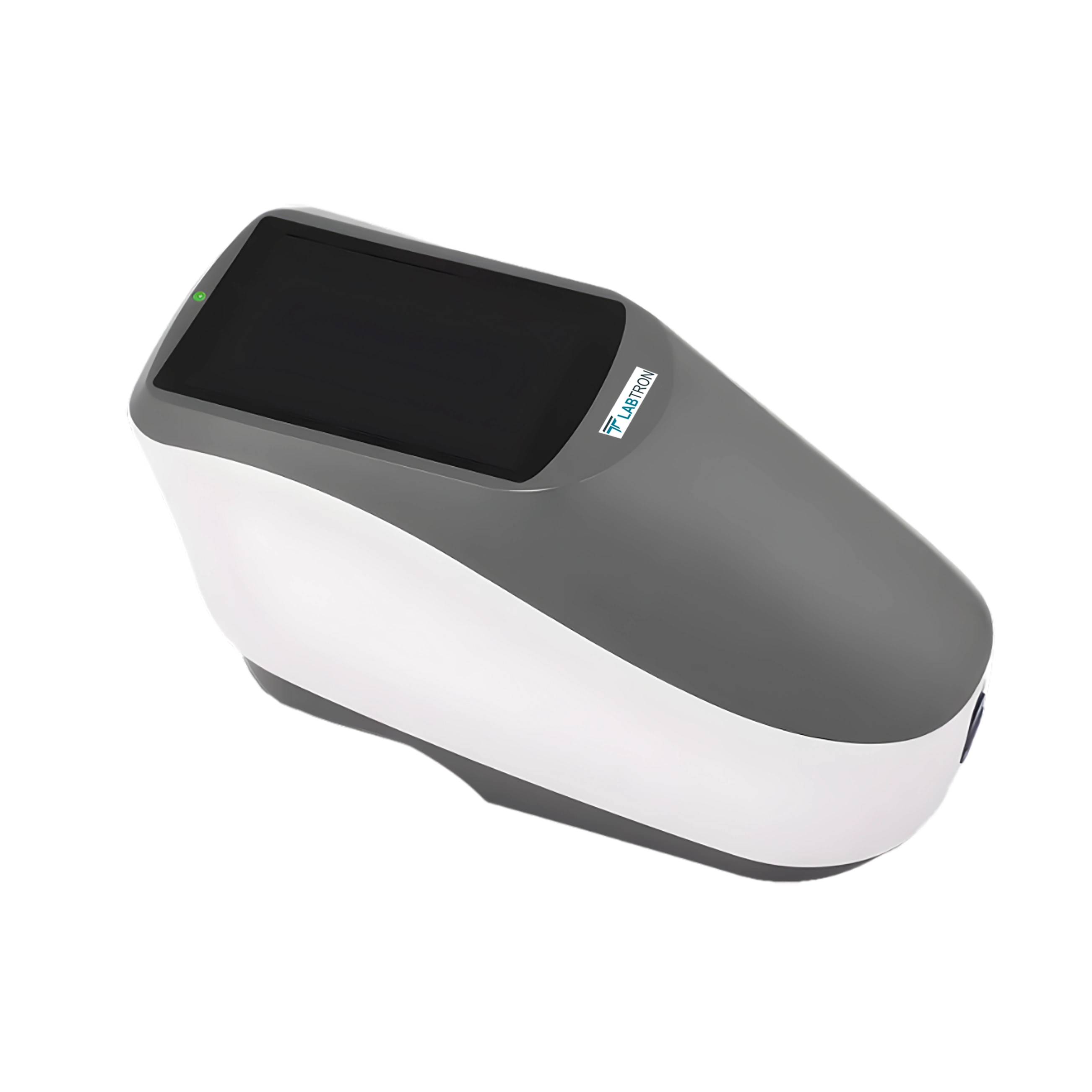
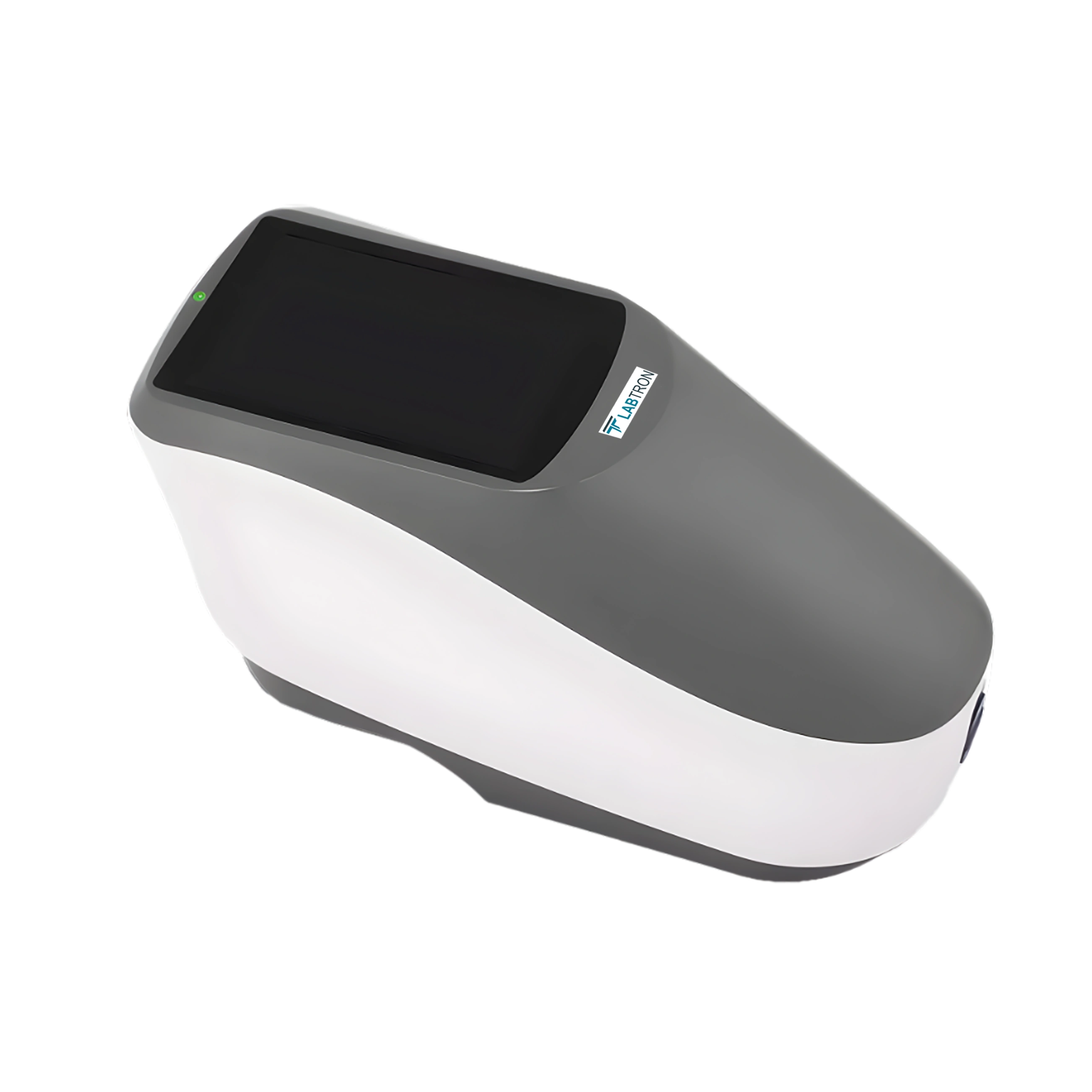
Labtron’s supplies advance models of spectrodensitometer. Proper maintenance and storage of a spectrodensitometer are critical for ensuring its long-term accuracy and reliability. The device should be stored in a clean, dry environment away from direct sunlight, dust, and extreme temperatures. Regular calibration using the supplied white tile and black trap is essential, and the calibration standards themselves should be cleaned gently and kept in protective cases. The optical sensor area should be kept free of fingerprints or smudges, using only approved cleaning methods. Battery maintenance or software updates may also be necessary, depending on the model. Periodic factory recalibration or servicing ensures continued compliance with measurement standards.
Labtron’s Spectrodensitometers contribute to sustainability by reducing material waste, improving process control, and ensuring right-first-time production. In industries like printing, packaging, and plastics, accurate color measurement reduces the need for reprints or discards caused by color errors. By enabling tighter control over ink or dye usage, they also support efficient resource use. Furthermore, data from spectrodensitometers can be integrated into lifecycle assessments and sustainability reporting. Their role in digital color workflows minimizes the need for physical proofing, reducing the environmental impact associated with traditional color approval processes. As a result, these instruments align with greener manufacturing practices and circular economy goals.
Yes, Labtron’s spectrodensitometers are designed to capture both spectral color data and optical density, making them highly effective for applications that require simultaneous evaluation of color appearance and ink film thickness. Color is measured using values such as Lab*, while density is derived from the absorbance of light. This dual capability allows printers and technicians to monitor both the visual match and the technical performance of inks or coatings. Density helps control ink levels, while color data ensures that hues are accurate. The combination improves print consistency and quality. This makes the tool extremely versatile in color-critical processes. Many modern models provide real-time readouts of both.
Labtron supplies premium spectrodensitometer which plays crucial role in various sectors. Food and beverage brands rely on visual appeal and brand color recognition on packaging-bottles, cans, labels, cartons, and wrappers. Spectrodensitometers ensure that these printed materials match brand guidelines precisely, which is crucial in crowded retail environments. They are used in QA departments to monitor every print run, validate supplier output, and ensure accurate reproduction across various substrates like foil, film, and paperboard. These tools also help control variables like gloss and brightness, which affect consumer perception. Additionally, for packaging that interacts with food, consistent color helps communicate freshness and safety to consumers.
Labtron supplies premium spectrodensitometer. Repeatability in spectrodensitometer is influenced by instrument calibration, aperture alignment, sample positioning, ambient conditions, and device condition. If a sample is not consistently placed or if the instrument is misaligned, small shifts in position may result in different readings. Regular calibration ensures internal accuracy, while using clean, uniform samples enhances consistency. Operator technique, such as maintaining pressure and avoiding tilting, also plays a role. Devices with higher spectral resolution and stability tend to offer better repeatability. To ensure reliable results, standard operating procedures should be followed every time. This minimizes variables and ensures color decisions are based on consistent data.
Post your question?
Our experts are here to help!
Labtron Equipment Ltd., Quatro House, Lyon Way, Camberley, Surrey GU16 7ER United Kingdom
Email: info@labtron.com Whatsapp: +44 73 4441 2688 Phone: +44 2080 043608