
Labtron High Purity Water Systems are built to deliver consistently high-purity water using advanced technologies such as reverse osmosis, deionization, electrodeionization, and ultrafiltration. These systems produce water with resistivity up to 18.2 MΩ·cm, TOC below 5 ppb, and minimal microbial or particulate content. They incorporate advanced features like real-time monitoring, auto-flushing, and RFID tracking. These systems ensure durable, leak-free construction for long-term reliability. Our High Purity Water Systems are ideal for media preparation, microbiological analysis, and general chemistry, ensuring consistently contaminant-free results.

RO Production Rate: 100 L/h
Water Tank Capacity: 60 L
Source: Tap Water
Conductivity: < 2000 us/cm
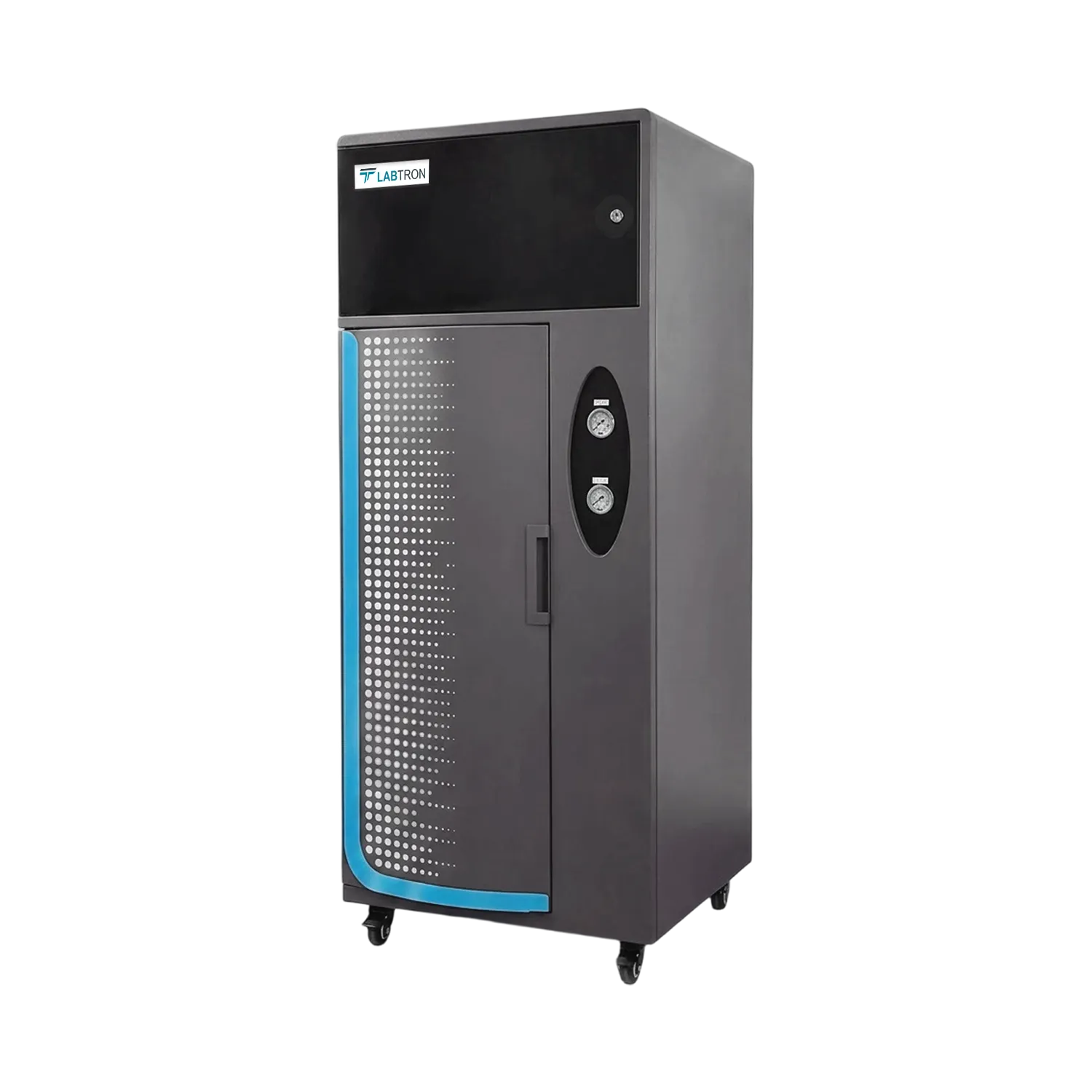
Water Yield: 150 L/h
Feed Water: Urban tap water
Feed Water TDS: < 200 ppm
Inlet Pressure: 0.15–0.4 MPa
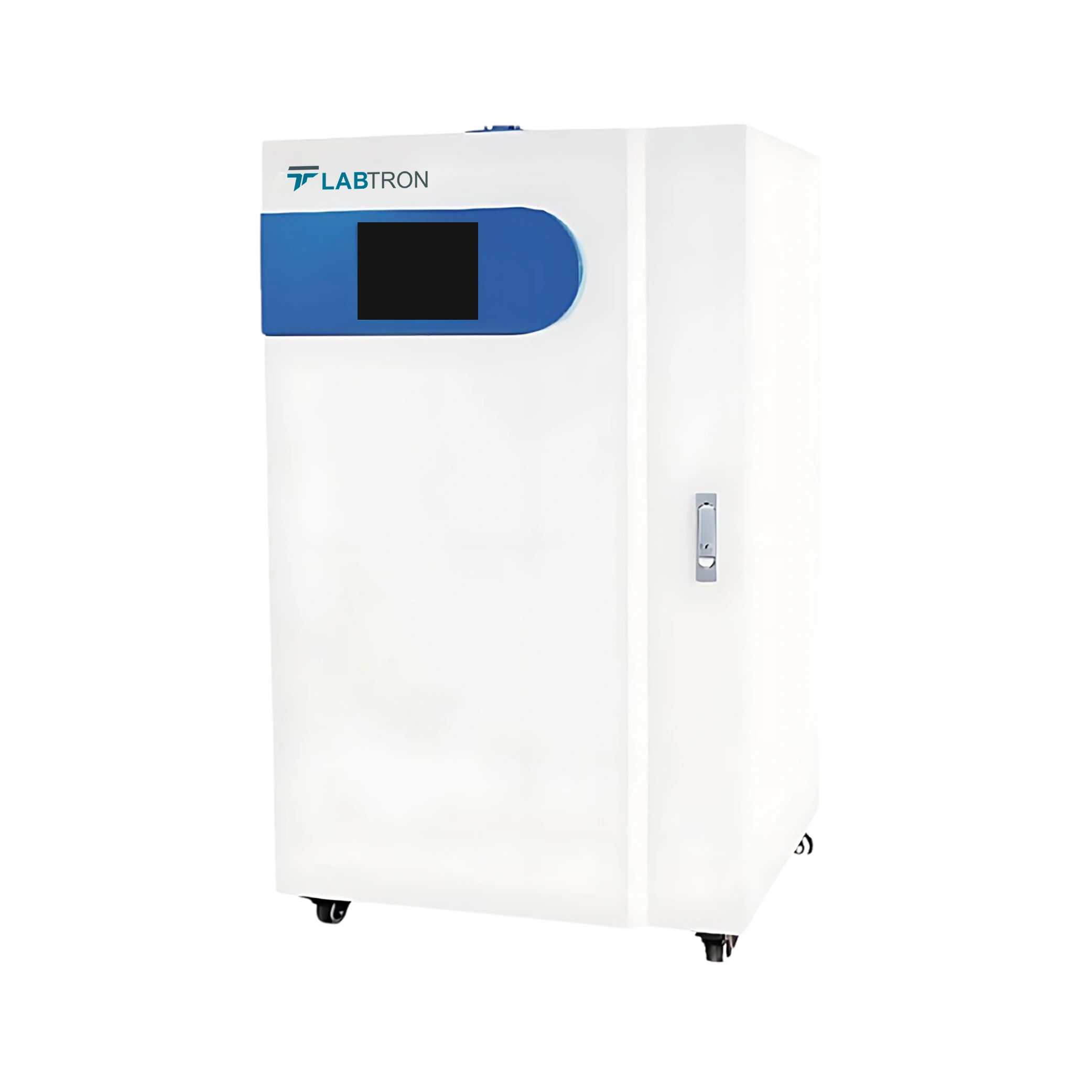
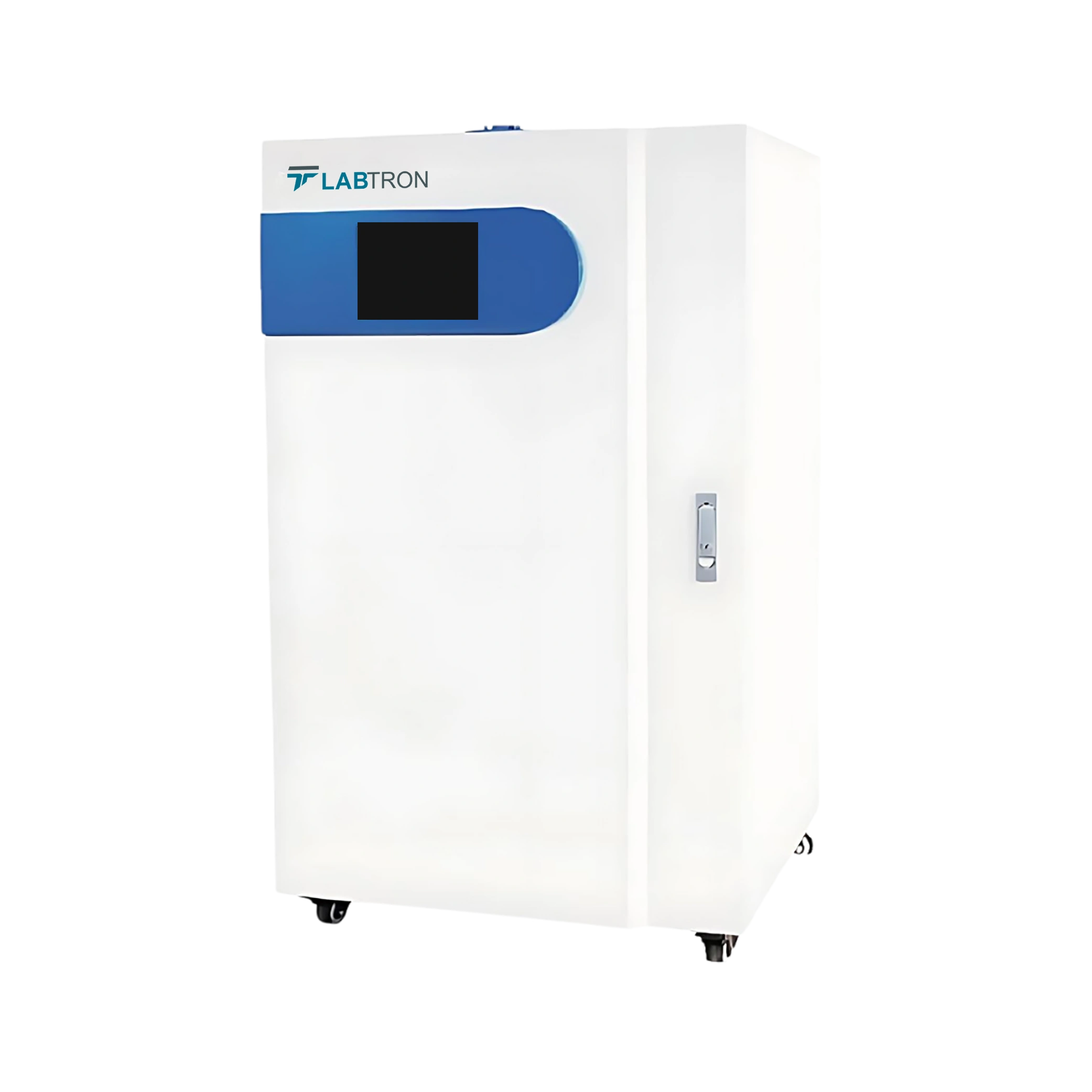
RO Production Rate: 100 L/h
Water Tank Capacity: 60 L
Source: Tap Water
Conductivity: < 2000 us/cm
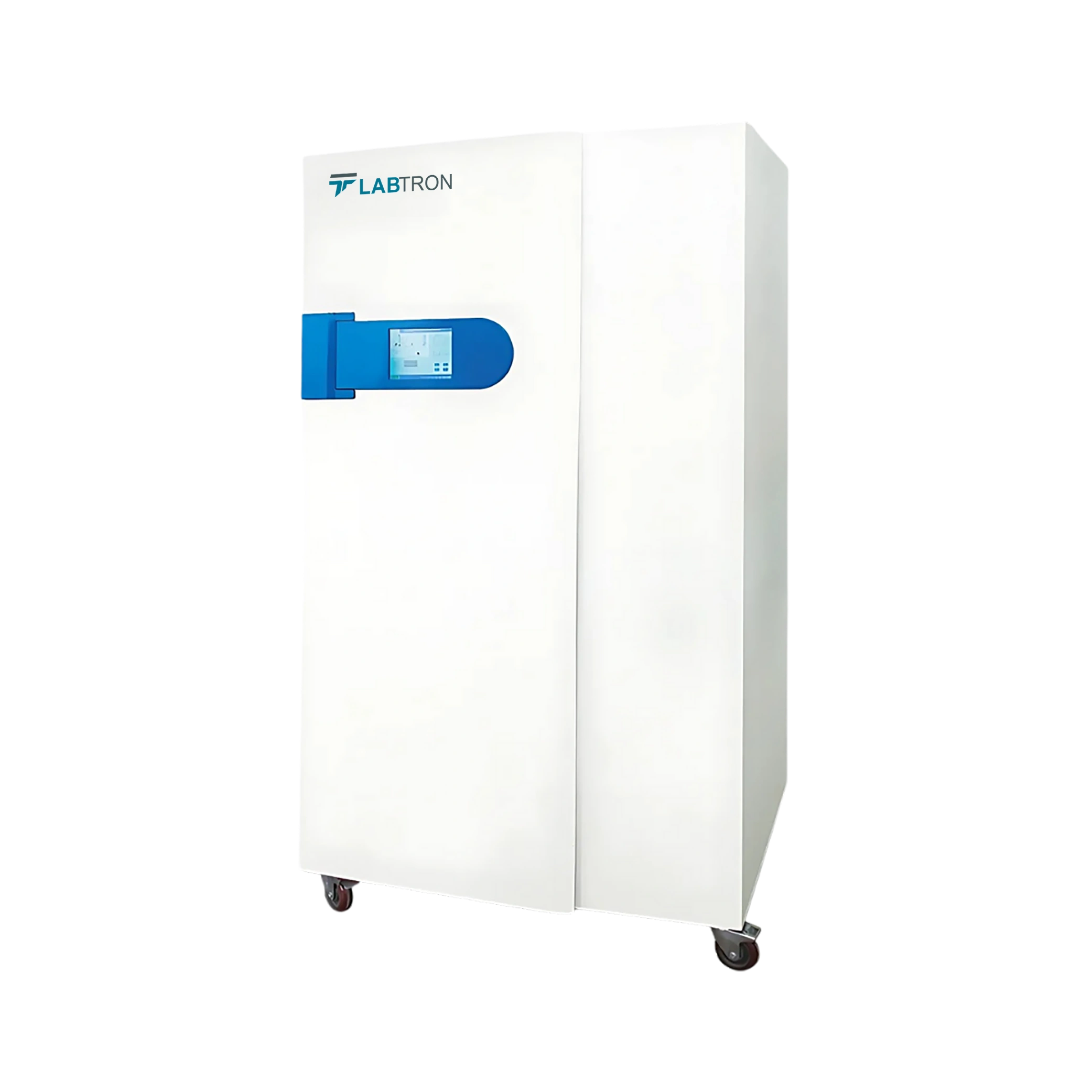
RO Production Rate: 150 L/h
Water Tank Capacity: 350 L
Source: Tap Water
Conductivity: < 2000 us/cm
Source: Tap Water
Conductivity (25 ºC): < 400 us/cm
Water Temperature: 5 ºC to 40 ºC
Water Pressure: 0.1 to 0.4 MPa

Source: Tap Water
Conductivity (25 ºC): < 400 us/cm
Water Temperature: 5 ºC to 40 ºC
Water Pressure: 0.1 to 0.4 MPa
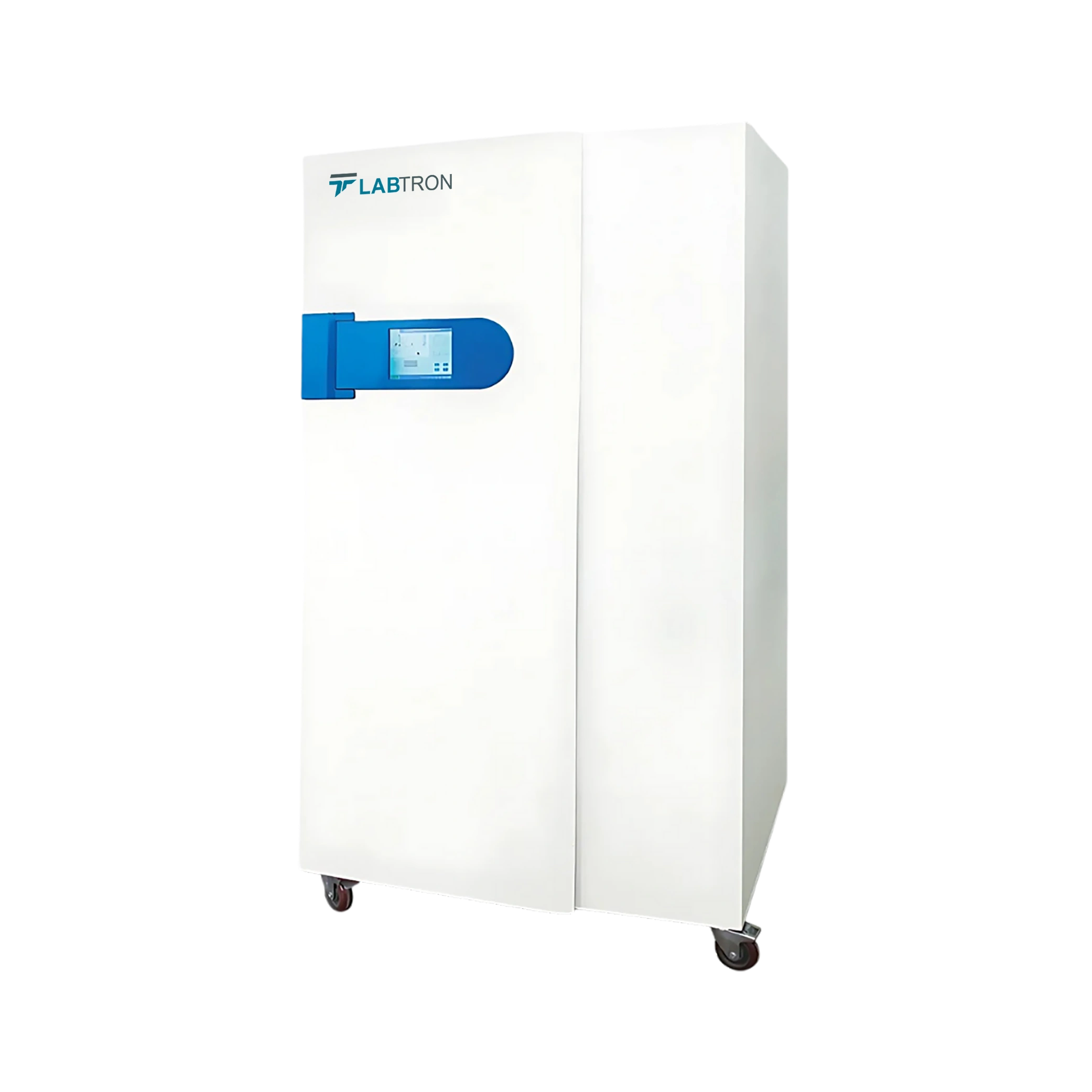
Source: Tap Water
Conductivity (25 ºC): < 400 us/cm
Water Temperature: 5 ºC to 40 ºC
Water Pressure: 0.1 to 0.4 MPa
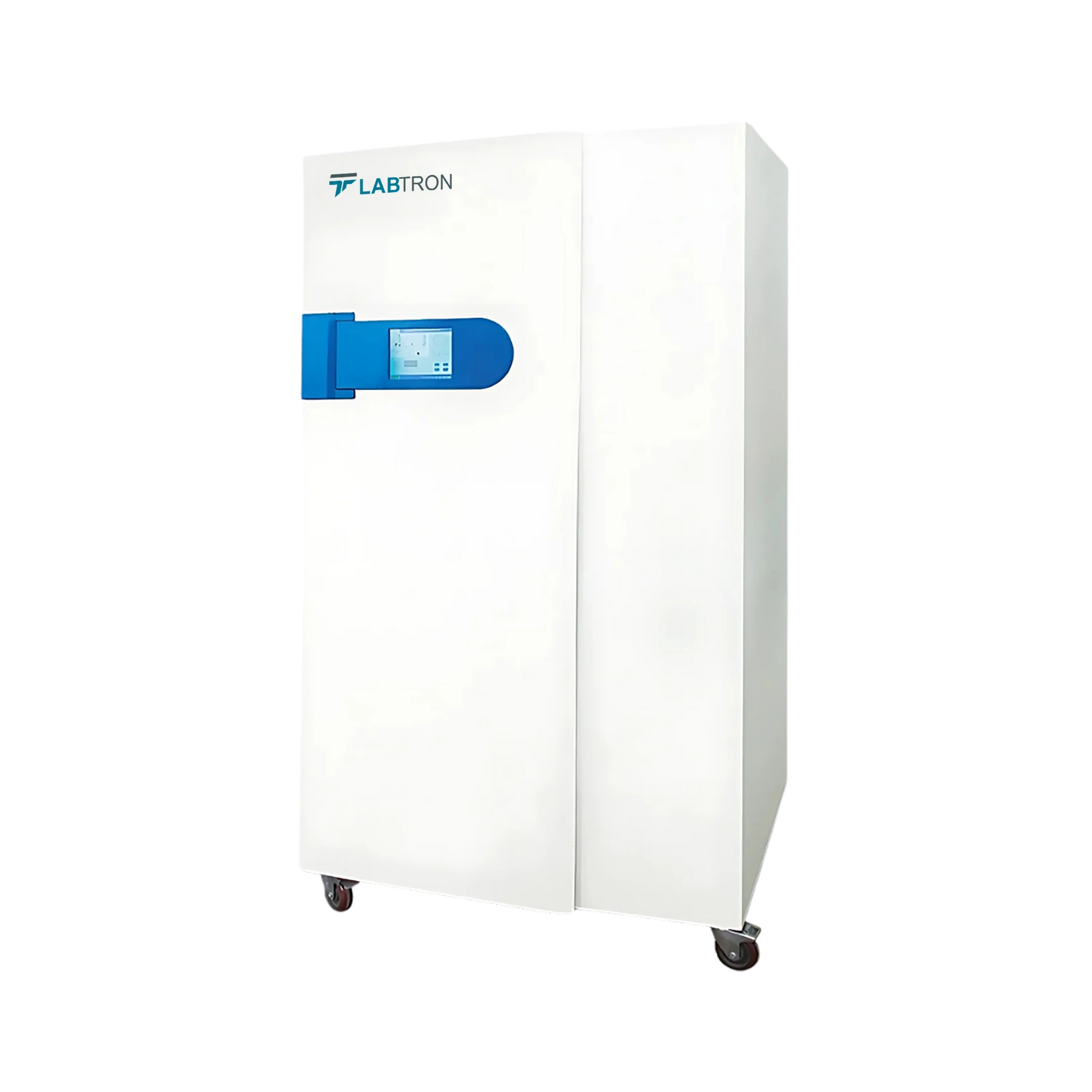
Source: Tap Water
Conductivity (25 ºC): < 400 us/cm
Water Temperature: 5 to 40 ºC
Water Pressure: 0.1 to 0.4 MPa

Model Type: Bench top
Source Water: Tap Water
Feed Water Conductivity: < 2000 µs/cm
Feed Water Hardness: < 450 ppm as CaCO3
A high purity water system is a compact, advanced unit designed to purify water to extremely low levels of contaminants. It removes ions, organic compounds, particles, and microorganisms to produce ultra-clean water. This level of purification is essential in laboratory, pharmaceutical, and analytical environments where accuracy is critical. The system ensures consistent water quality for reproducible results. It is typically designed for benchtop or wall-mounted installation. Simple operation and low maintenance make it ideal for daily laboratory use.
A high purity water system typically combines multiple purification methods to achieve optimal water quality. These include reverse osmosis (RO) to remove dissolved salts and large molecules, deionization (DI) for ion removal, electrodeionization (EDI) for continuous ion exchange, and ultrafiltration (UF) to eliminate particulates and microorganisms. Each stage targets specific contaminants to ensure a thorough multi-step purification process. Additional technologies like UV sterilization or TOC reduction may be included based on application needs. The result is highly purified water suitable for a wide range of laboratory procedures.
Yes, the high purity water system is designed with energy and resource efficiency. Automatic flushing cycles help reduce water waste and prolong membrane life. It often includes recyclable filter housings and durable components to minimize environmental impact. Reject water can be repurposed for non-critical tasks such as equipment cleaning or cooling. Energy-efficient pumps help lower electricity consumption during operation. These features support sustainable practices and help reduce long-term operating costs.
Automatic flushing prevents the accumulation of contaminants on filters and membranes by periodically rinsing the internal components. This process helps maintain membrane efficiency and consistent water purity. It also minimizes the risk of microbial growth during idle periods. Flushing extends the lifespan of consumables and reduces maintenance needs. The timing and frequency of flushing can usually be adjusted according to usage. It is a key feature that ensures system reliability and stable water quality over time.
Yes, a high purity water system is designed for continuous or high-frequency use in demanding laboratory environments. It features automated controls that maintain stable operation during prolonged use. The system regulates flow and pressure to ensure uninterrupted output. Sensors constantly monitor water quality to prevent fluctuations. Automatic flushing and scheduled maintenance cycles help prevent fouling and microbial buildup. When properly maintained, the system can deliver consistently high-quality water throughout extended operation.
Post your question?
Our experts are here to help!
Labtron Equipment Ltd., Quatro House, Lyon Way, Camberley, Surrey GU16 7ER United Kingdom
Email: info@labtron.com Whatsapp: +44 73 4441 2688 Phone: +44 2080 043608
 info@labtron.com