info@labtron.com

| Gel Dimensions (W × L) | 120 × 120 mm, 120 × 60 mm, 60 × 120 mm, 60 × 60 mm |
| Buffer Volume | 550 ml |
| Sample Capacity | 1 to 100 |
| Power Supply | 220 V | 50 Hz |
| Dimensions (L × W × H) | 300 × 160 × 75 mm |
| Weight | 1.1 kg |
Adjustable bottom footers
Gel tray drift prevention
Efficient cooling system
Stable pH maintenance
Dismountable quick electrodes
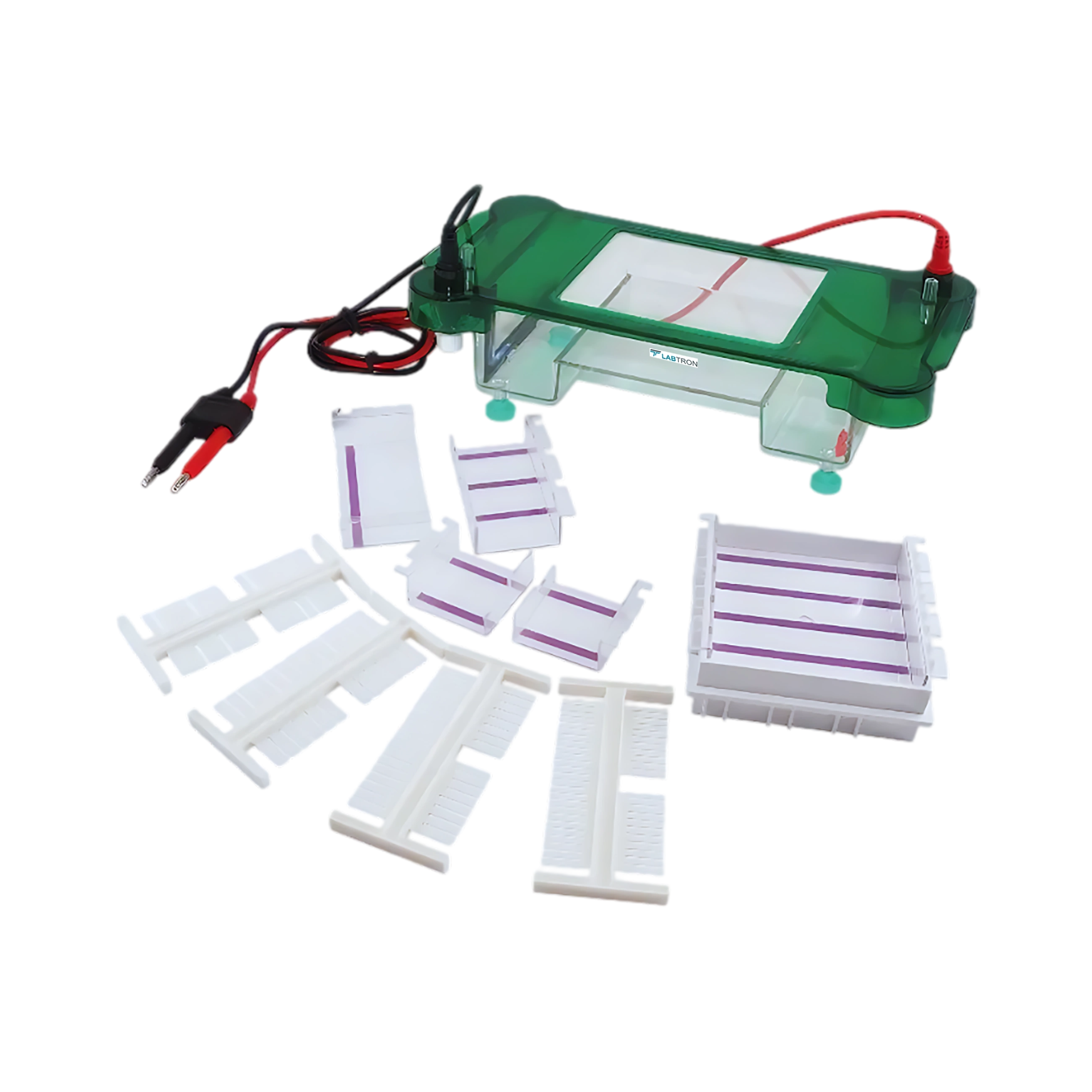
Horizontal Electrophoresis System LHES-C10 is a laboratory apparatus that separates nucleic acids, primarily DNA and RNA, through an agarose gel under an electric field. Molecular biology, genomics, and forensic science commonly use it for DNA fragment analysis.
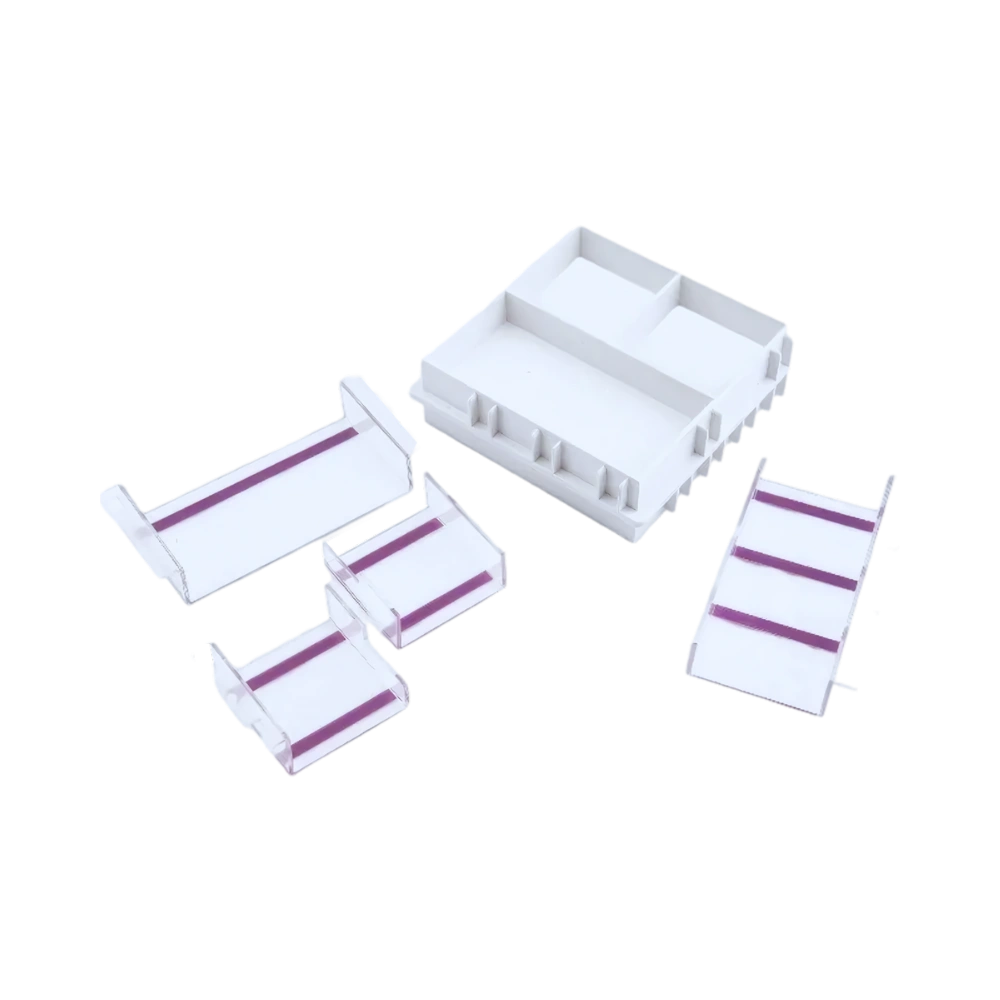
Accessories Name | Quantity |
Lid with Cables | 1 |
Body Tank with Electrodes | 1 |
120 × 120 mm Gel Tray | 1 |
120 × 60 mm Gel Tray | 1 |
60 × 120 mm Gel Tray | 1 |
60 × 60 mm Gel Tray | 2 |
Gel Box | 1 |
1.5 mm Thickness 1/2/3 Wells Comb | 1 |
1.0 mm Thickness 6/13 Wells Comb | 2 |
1.0 mm Thickness 8/18 Wells Comb | 2 |
1.0 mm Thickness 11/25 Wells Comb | 2 |
Level Adjusting Button | 4 |
Download catalog for
Horizontal Electrophoresis System LHES-C10 Catalog
Labtron Horizontal Electrophoresis System provide efficient separation of 3 to 364 samples in flat gel format. They utilize casting tray along with comb that form wells for uniform preparation and efficient separation of specimens. Their electrode connections are designed for easy attachment, ensuring reliable conductivity during runs. They incorporate buffer chambers that maintain pH and ionic strength throughout the process. Our Horizontal Electrophoresis System facilitates DNA, RNA and protein analysis in forensic and genetic engineering.
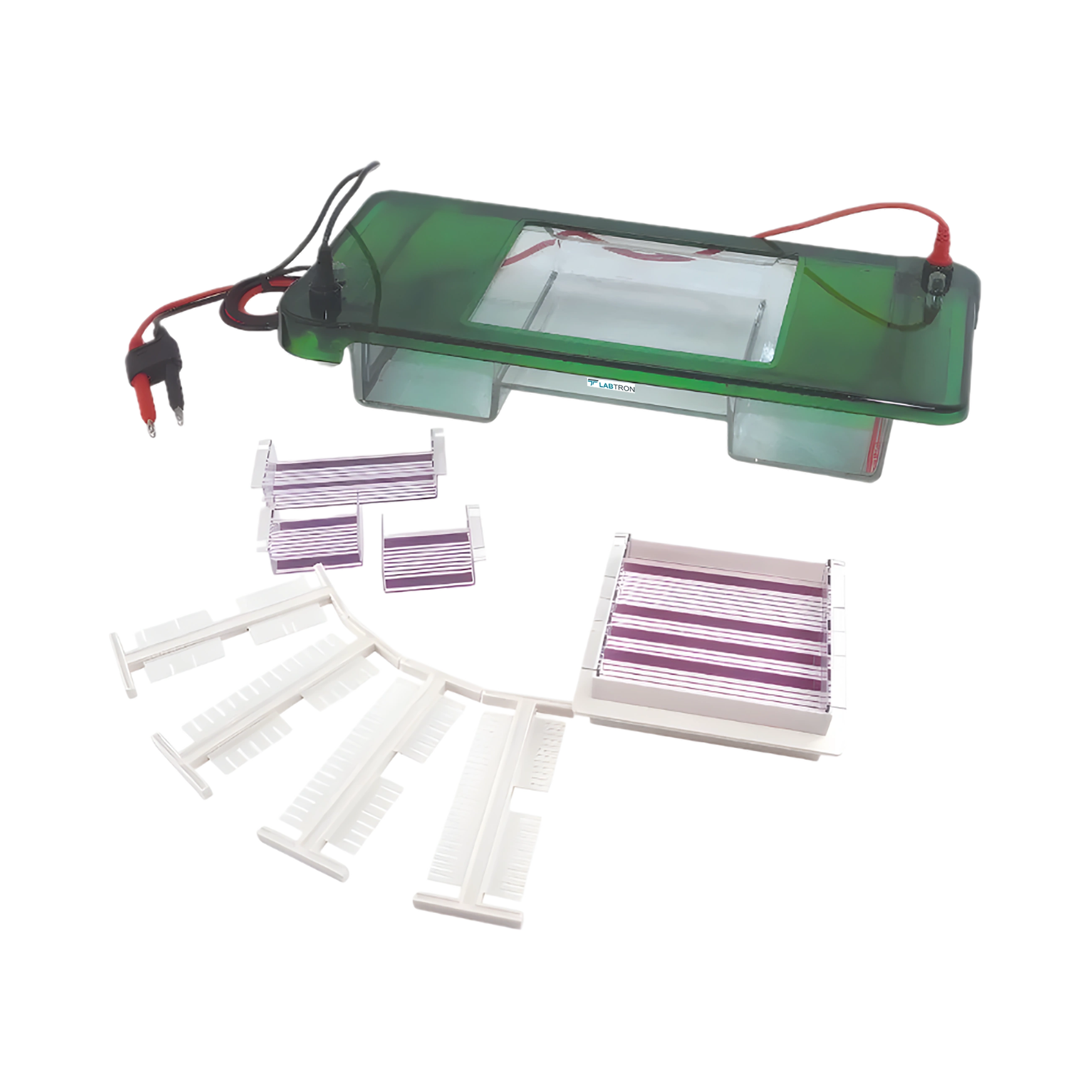
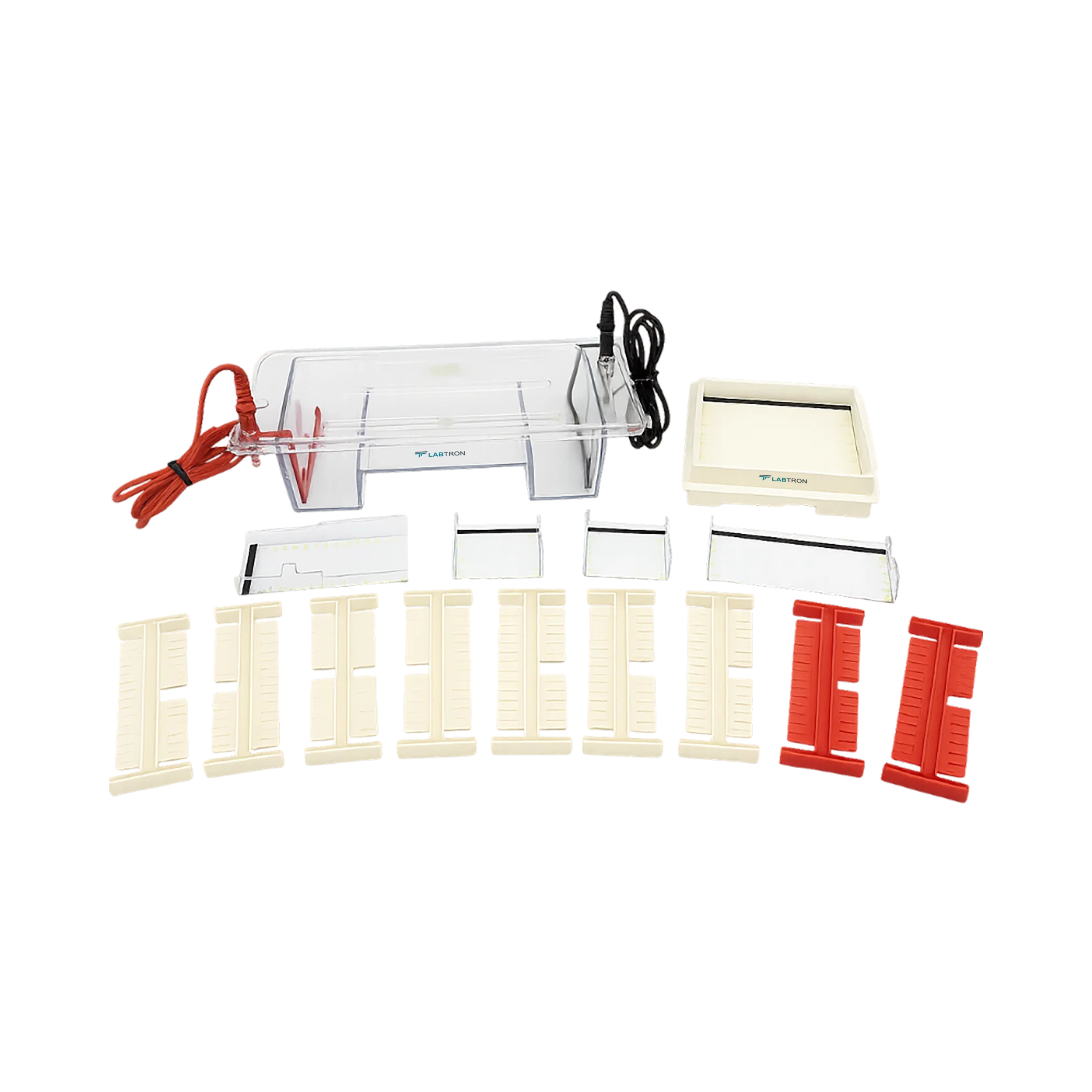
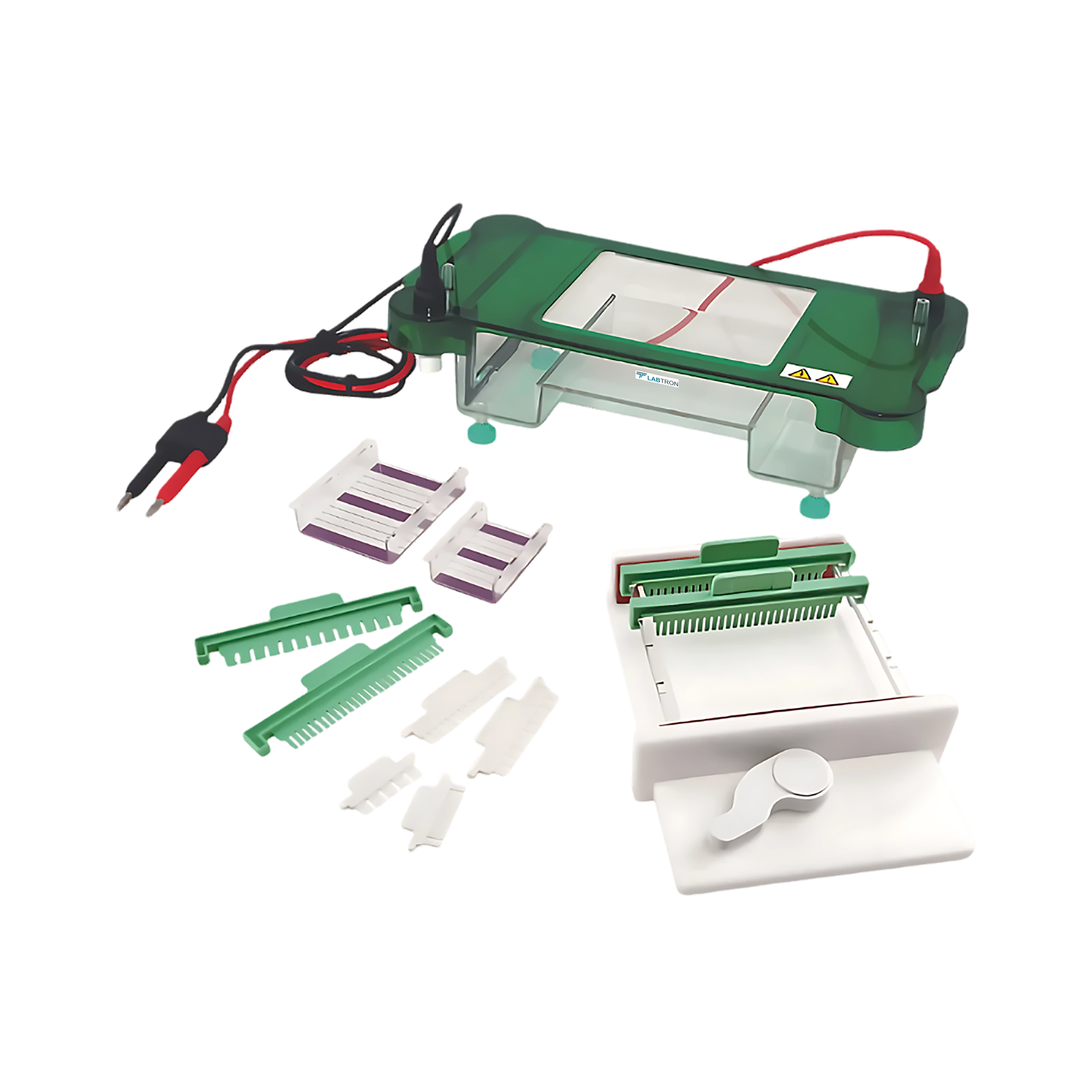
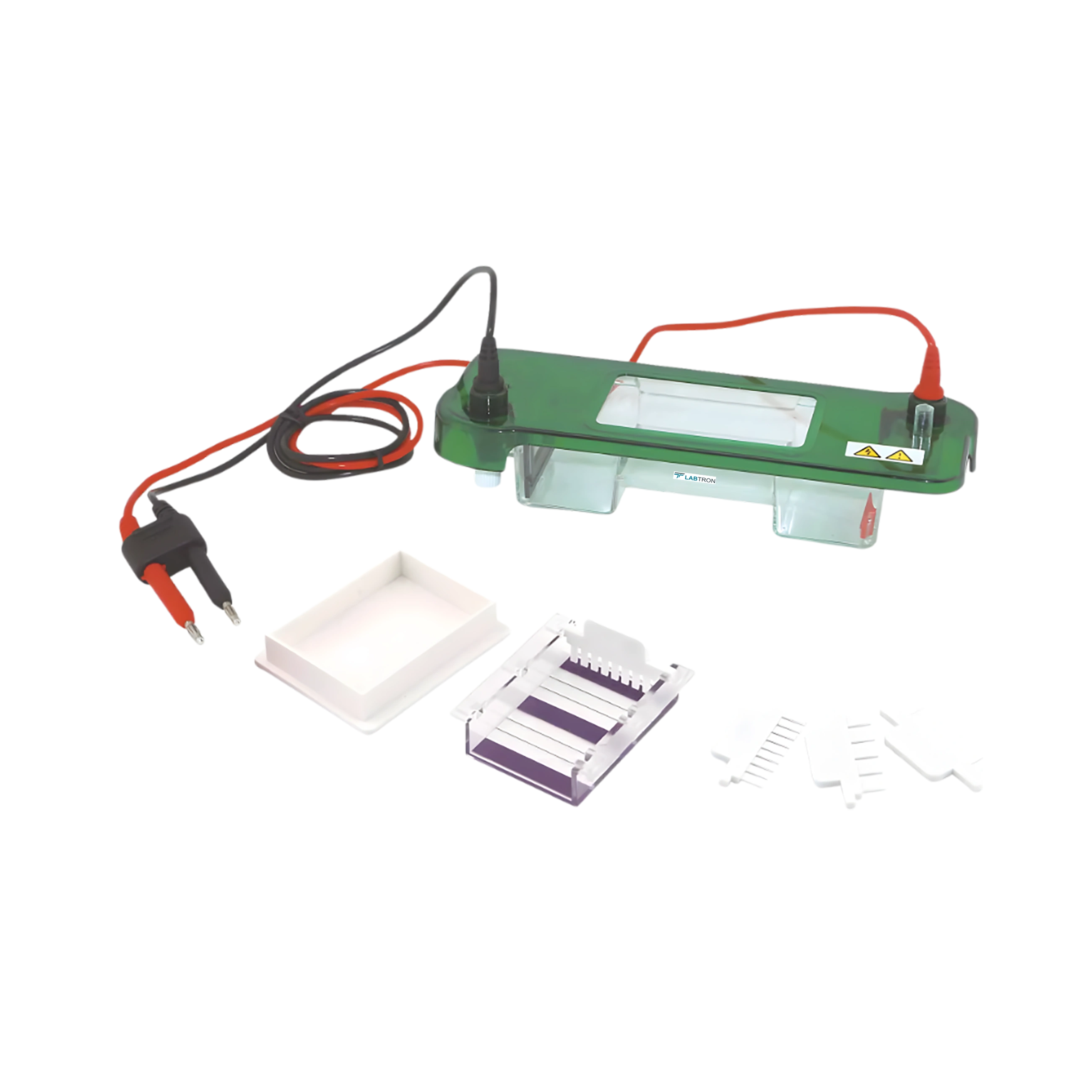
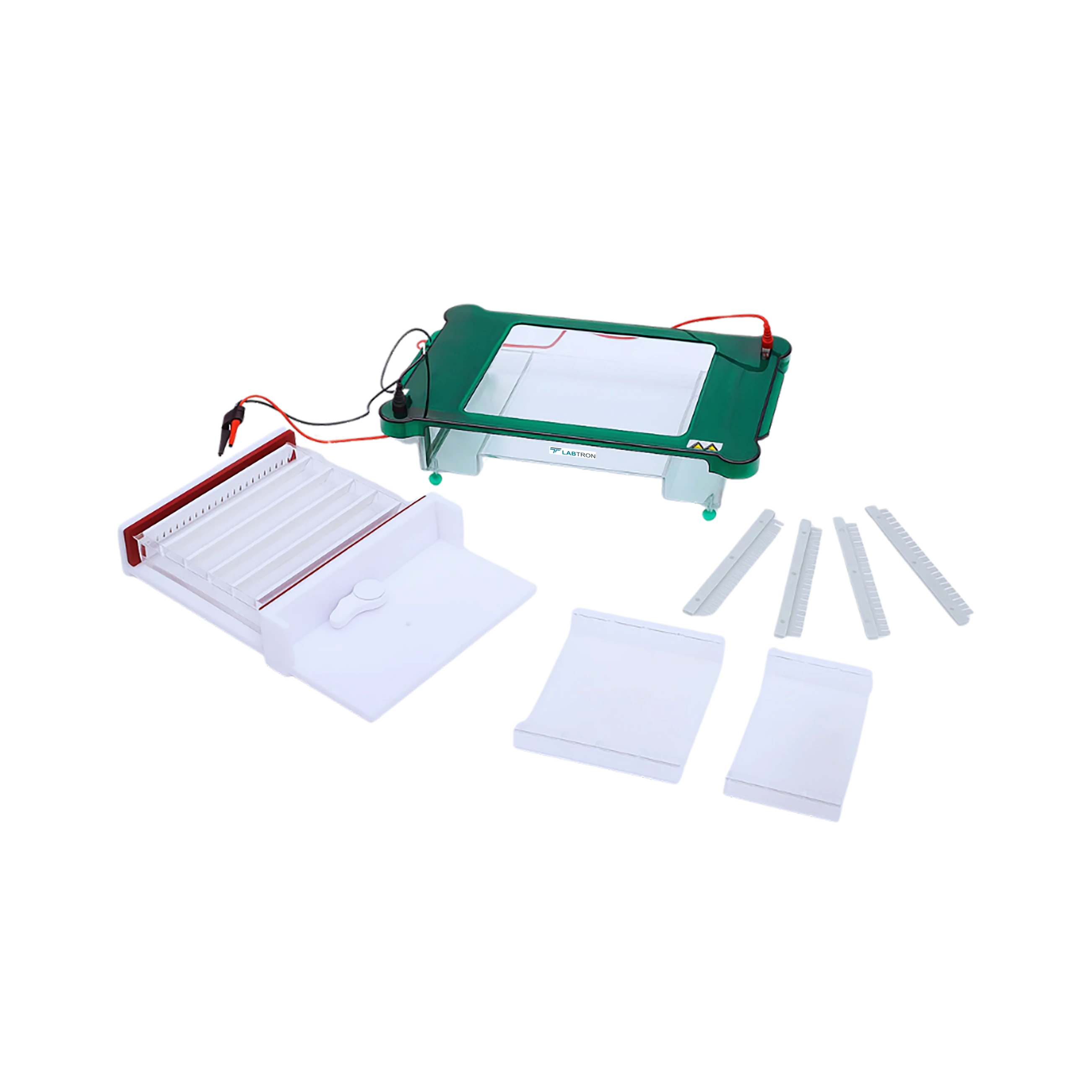
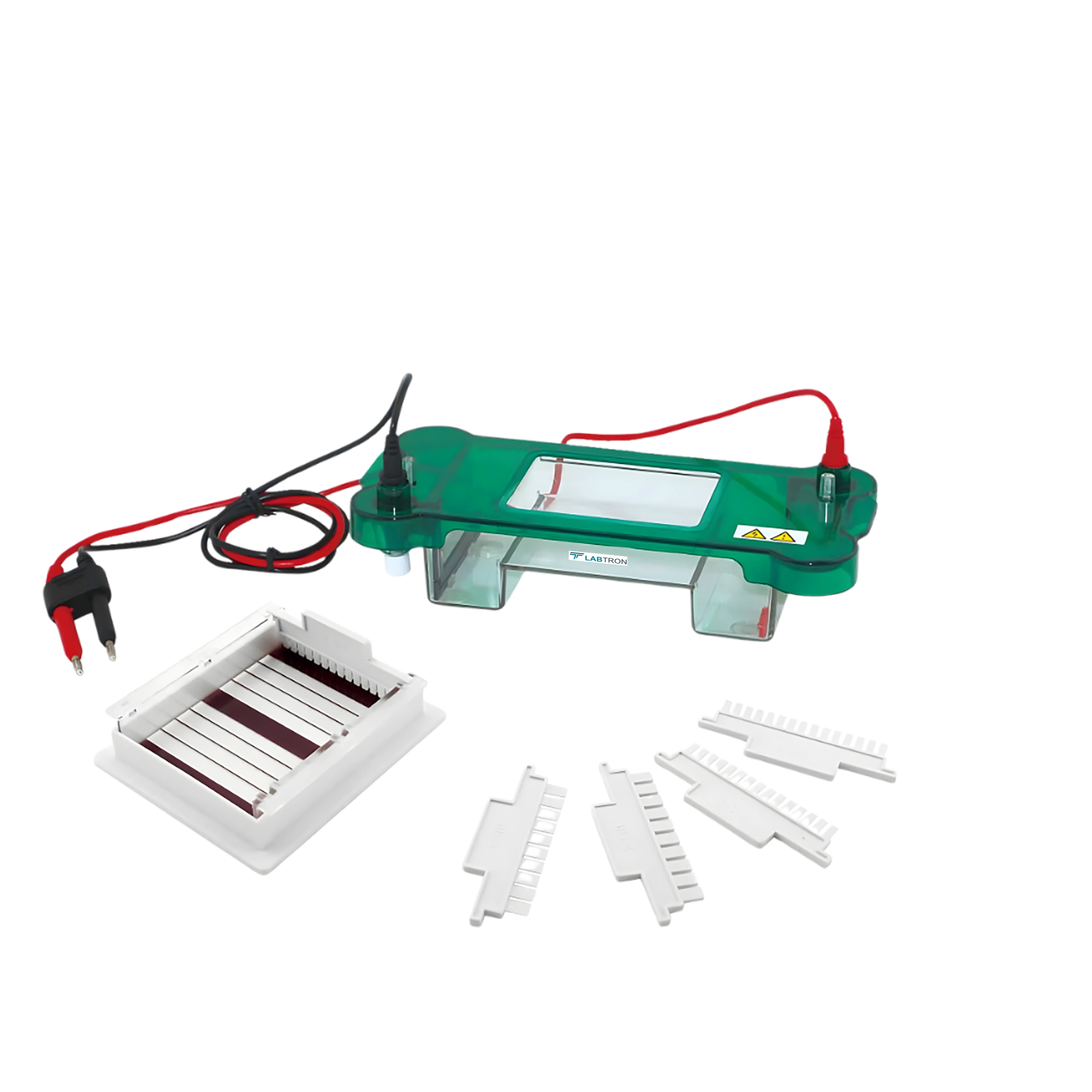

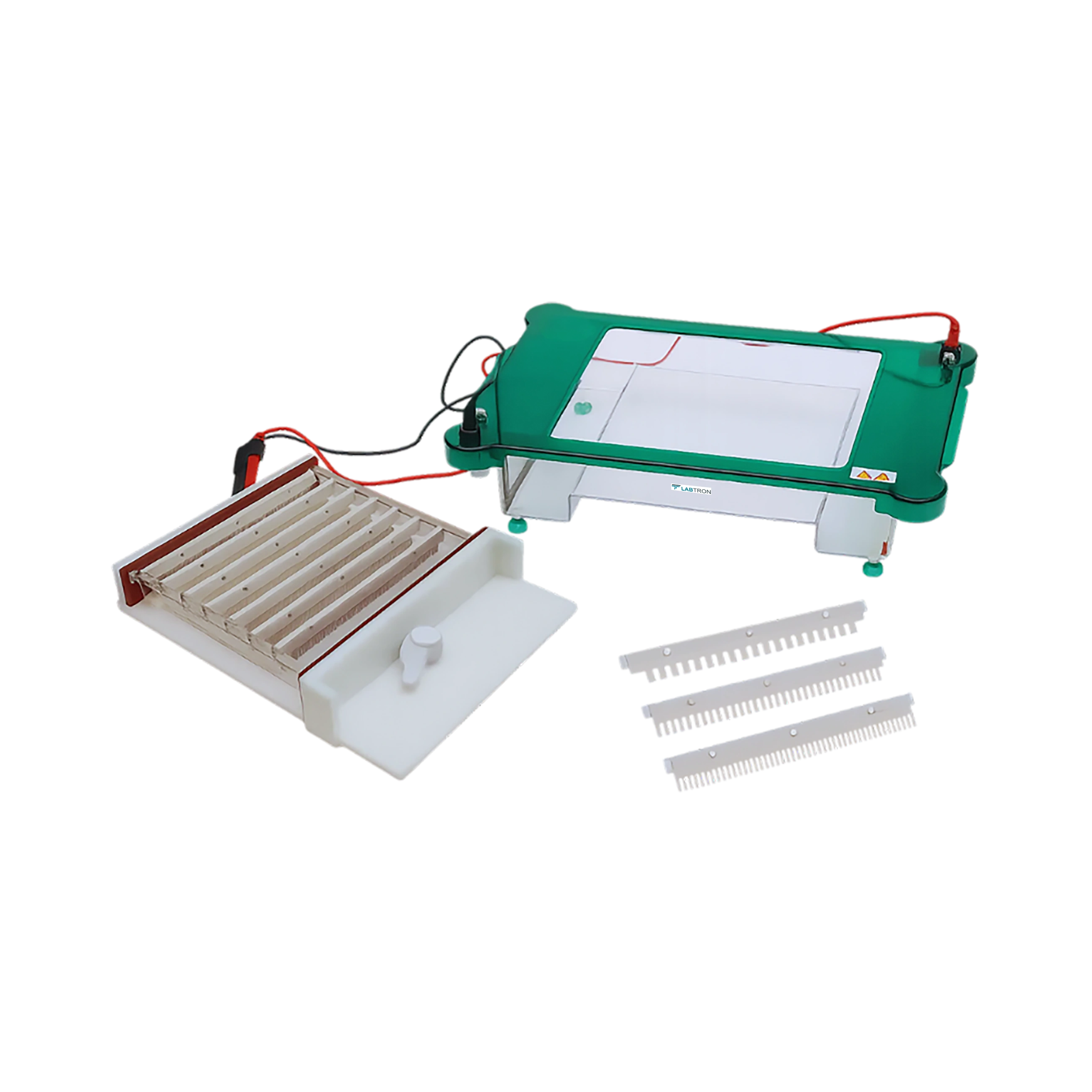
Labtron’s horizontal electrophoresis system is a critical tool in molecular biology labs used to separate, analyze, and visualize nucleic acids namely DNA and RNA based on their size and electrical charge. When an electric field is applied across the gel, negatively charged DNA fragments migrate toward the positive electrode, with smaller fragments moving faster than larger ones. This allows researchers to determine the size and integrity of the genetic material. Horizontal systems are most suitable for agarose gel electrophoresis and are ideal for processes like checking the success of cloning, PCR verification, genetic fingerprinting, restriction digestion analysis, and plasmid isolation. Labtron’s systems are optimized to deliver consistent, high-resolution results, even for low-concentration samples.
Labtron provides a fully integrated setup that includes a gel casting tray (or trays of different sizes), a buffer tank with built-in platinum electrodes, combs for forming wells, a lid with safety interlock features, and often a gel-casting stand. High-performance models may also include bubble levels, gel rulers, and buffer recirculation options. The platinum wire electrodes are corrosion-resistant and ensure even current distribution across the gel. Labtron designs each component to be modular and easy to assemble or clean, making the system adaptable for different experimental needs, from classroom education to advanced research labs.
Labtron recommends preparing an agarose gel by accurately weighing agarose powder and dissolving it in an appropriate buffer (like TAE or TBE) through heating. Once the solution is clear and uniform, it is poured into a gel casting tray fitted with combs to form wells. After cooling and solidifying, the gel is carefully placed into the tank and fully submerged in buffer. Samples are then loaded into the wells along with a DNA ladder or marker for comparison. Labtron’s gel trays are designed to resist warping and are marked for easy alignment, ensuring the gel sets evenly and without air bubbles, which can affect the accuracy of results.
Labtron supports the use of both TAE (Tris-acetate-EDTA) and TBE (Tris-borate-EDTA) buffers, depending on the nature of the analysis. TAE is preferred when a faster migration rate is needed or when DNA needs to be extracted from the gel for downstream applications like cloning. On the other hand, TBE provides better resolution for smaller fragments and is preferred for longer runs due to its stronger buffering capacity. Labtron’s systems are engineered to maintain stable pH and current flow with either buffer, preventing overheating and ensuring consistent band patterns.
Some common mistakes when using an electrophoresis power supply include using incorrect voltage settings, improper gel loading, and connecting electrodes in the wrong orientation. Other errors include not using fresh buffer solutions, failing to check for damaged cables, and running the gel for too long or too short a time. These mistakes can lead to poor separation, sample loss, or even damage to the gel and equipment. Labtron’s power supplies come with clear display indicators, safety alarms, and user-friendly controls, helping researchers minimize errors and achieve consistent, high-quality results.
Post your question?
Our experts are here to help!
Labtron Equipment Ltd., Quatro House, Lyon Way, Camberley, Surrey GU16 7ER United Kingdom
Email: info@labtron.com Whatsapp: +44 73 4441 2688 Phone: +44 2080 043608