info@labtron.com


| Microwave cavity | 65L, 316 L stainless steel and outer multi-layer corrosion resistant PFA Teflon spraying. |
| Microwave Source | 2450 MHz, dual magnetron high-energy emission. |
| Temperature Control | Real time detection, temperature and curve, display inside dissolving tank: maximum temperature ≥300°C. |
| Pressure Control | G-pressure monitors, overpressure adjustment, automatic alarm |
| Pressure Control Range | 0 to 15MPa |
| Pressure Measurement | Piezoelectric pressure sensor External digestion tank pressure: ≥ 20MPa Internal digestion tank pressure: ≥ 4MPa Volume: ≥100 ml |
| Pressure Display Accuracy | ±0.1MPa |
| Temperature Measurement | Optical fiber sensors |
| Temperature Control Accuracy | ± 0.1℃ |
| Full Tank Temperature | 0 to 350℃ |
| Control Accuracy | ± 0.1°C at 0.1°C / Min |
| External Interface | USB, RS-232 |
| Sample Reaction Outer Tank | PEEK material explosion-proof external tank. |
| Furnace Exhaust System | High-power axial flow fan, turbulent high-efficiency air cooling, 15 min from 200℃ to 60℃ in 15 minutes. |
| Working Environment | 0 to 40 °C, 15 to 80% RH |
| Batch Volume | 32 Hard Drive, 2G Memory |
| Magnetic Stirring | 50 sets |
| Inner Tank Material | TFM |
| Outer Tank Material | PEEK |
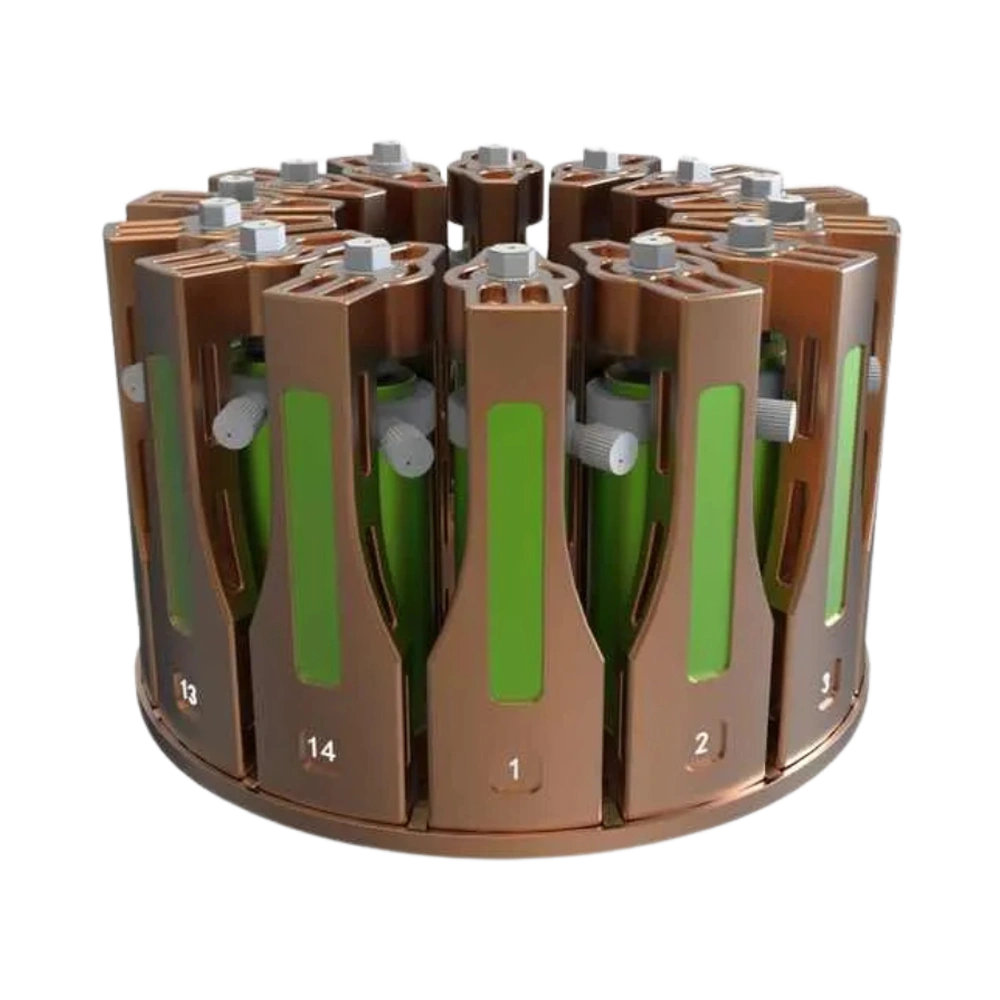
| Rotor Frame | High strength turntable integrated frame |
| Reaction Tank Volume | 100 ml |
| Name of Reaction Tank | 12 tanks with high pressure resistance |
| Batch Amount | 12 |
| Maximum Pressure | 16 MPa |
| Maximum Temperature | 310° C |
| Display Screen | Large 7-inch touch LCD screen. |
| Software System | The ARM chip comes with a ZG operating system. |
| Installation Power of Machine | 3200W |
| Power Supply | 220-240 VAC 50/60Hz, 15A |
| Dimension | 580mm × 680mm × 720mm |
| Net Weight | 65 kg |
Accurate Pressure Monitoring
High-Performance Microwave Cavity
Multi-Sample Capacity
Rapid Heating Technology
Built-In Cooling System
Microwave Digestion System LMWD-C11 uses microwaves to accelerate the digestion of organic and inorganic matrices into clear solutions. It plays a key role in nuclear, leather, automotive, and aerospace industries for quality control and precise elemental analysis.
Download catalog for
Microwave Digestion System LMWD-C11 Catalog
Available Range :
Microwave Digestion System LMWD-B12 : 316L stainless steel cavity with corrosion-proof coating Microwave Digestion System LMWD-C10 : 65L, 316 L stainless steel and outer multi-layer corrosion resistant PFA Teflon spraying. Microwave Digestion System LMWD-C12 : 65L, 316L stainless steel and outer multi-layer corrosion resistant PFA Teflon spraying. Microwave Digestion System LMWD-A14 : 65L, 316L stainless steel with multi-layer PFA Teflon coating Microwave Digestion System LMWD-A11 : SS316 with 10 layer Teflon Microwave Digestion System LMWD-A10 : SS316 with 8 layer TeflonLabtron Microwave Digestion System offers a wide temperature and pressure range for diverse digestion requirements. They include multiple safety protection functionalities, ensuring operator well-being. Maintains data integrity with reliable data logging and storage capabilities. Their intuitive operation with a user-friendly interface allows easy programming. Our microwave digestion system accesses pre-programmed digestion methods to specific sample types and research requirements.

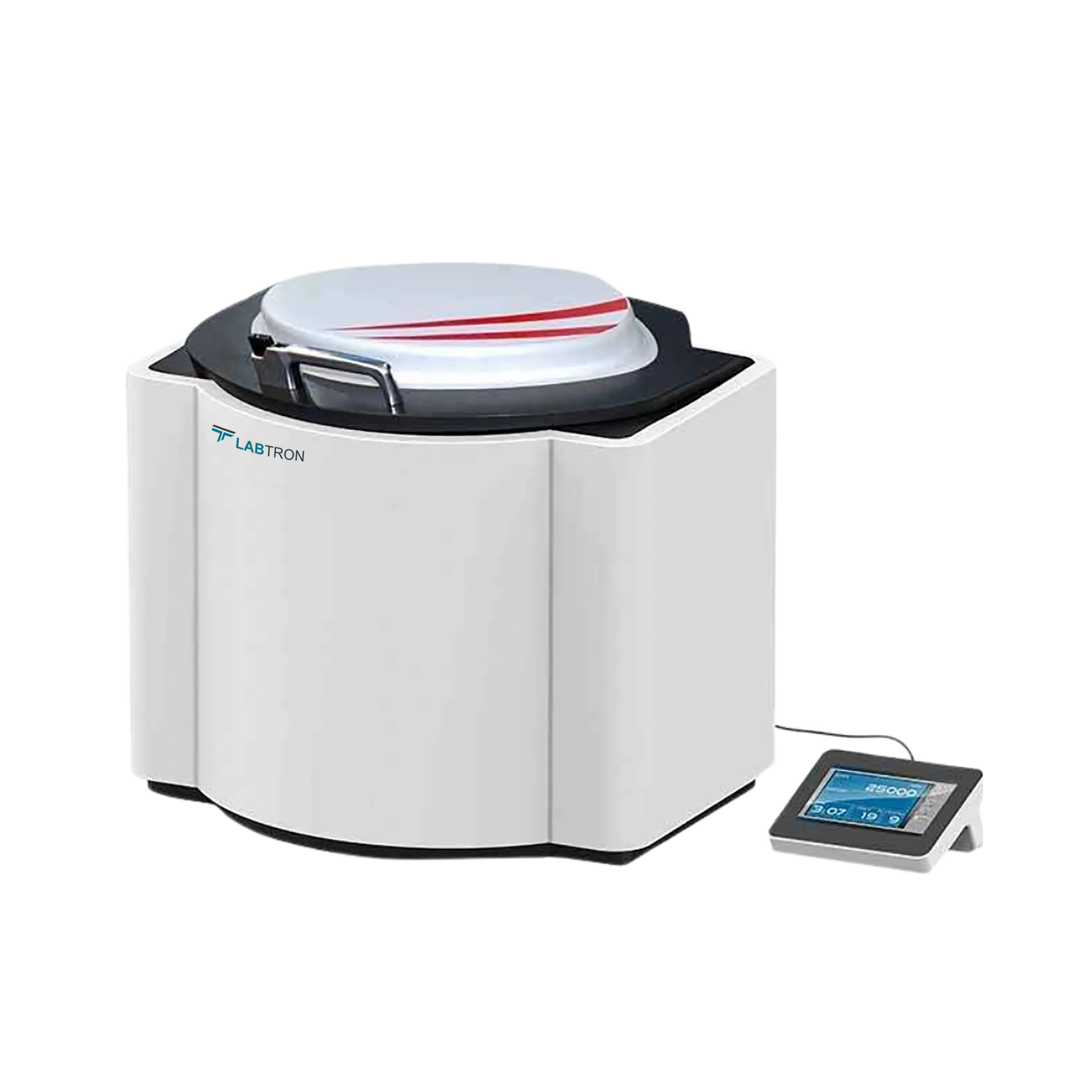


Labtron’s high-performance microwave digestion system LMWD-C11 include fiber-optic or infrared temperature sensors, along with direct or optical pressure sensors, for real-time monitoring. These sensors provide rapid feedback to the microwave generator, enabling precise ramping and holding strategies. Accurate sensing ensures reproducible digestion across vessels and batches, reducing variability. It prevents under- or over-digestion, which can affect element recovery and blank levels. Sensor precision is key for compliance with method standards like EPA 3052. Reliable control also increases safety by preventing uncontrolled reactions and vessel rupture
Labtron’s microwave digestion system LMWD-C11 has auto-venting vessels are designed to release pressure safely once preset thresholds are reached, maintaining digestion without compromising vessel integrity. This allows higher final temperatures without risk of explosion, improving digestion completeness. The technology is critical when processing reactive mixtures such as aqua regia that evolve gases. By controlling pressure release, auto-venting eliminates interruptions to the run and reduces downtime. End-of-digestion pressures are managed safely, ensuring consistent batch yields and safety.
Labtron supplies premium microwave digestion system LMWD-C11.Uniform microwave distribution, often achieved through rotating turntables or multimode cavities, ensures consistent heating across all vessels. Without it, differences in sample matrix and vessel position can lead to uneven digestion results. Systems offering 16–32 position rotors maintain high throughput without compromising uniformity. Consistency in heating supports reliable trace element recovery and compliance with QC criteria. This design consideration is particularly relevant in high-throughput labs running environmental or industrial sample batches
Microwave digestion system LMWD-C11 dramatically reduces reaction time—minutes instead of hours or days—thanks to elevated temperatures and pressures in sealed vessels. It also minimizes reagent volume, reduces sample contamination, and enables efficient digestion of volatile elements like Hg or As. In contrast, open-vessel methods can cause losses and extended preparation times. Microwave systems improve both safety and throughput, making them preferred for elemental analysis via ICP-MS, AAS, or ICP-OES.
Labtron supplies advanced microwave digestion system LMWD-C11.Routine maintenance includes checking vessel seals and O rings, verifying sensor calibration, and cleaning the cavity and exhaust filters. Periodic sensor validation—either through built-in routines or comparison against reference standards—is essential for data accuracy. Vessels should be inspected for cracks and replaced as needed to avoid leaks or failures. Exhaust fans and filters should be cleared regularly to prevent corrosive buildup, and software updates should be installed to maintain safety interlocks and performance features. Following vendor protocols ensures longevity and reliable operation.
Post your question?
Our experts are here to help!
Labtron Equipment Ltd., Quatro House, Lyon Way, Camberley, Surrey GU16 7ER United Kingdom
Email: info@labtron.com Whatsapp: +44 73 4441 2688 Phone: +44 2080 043608