 info@labtron.com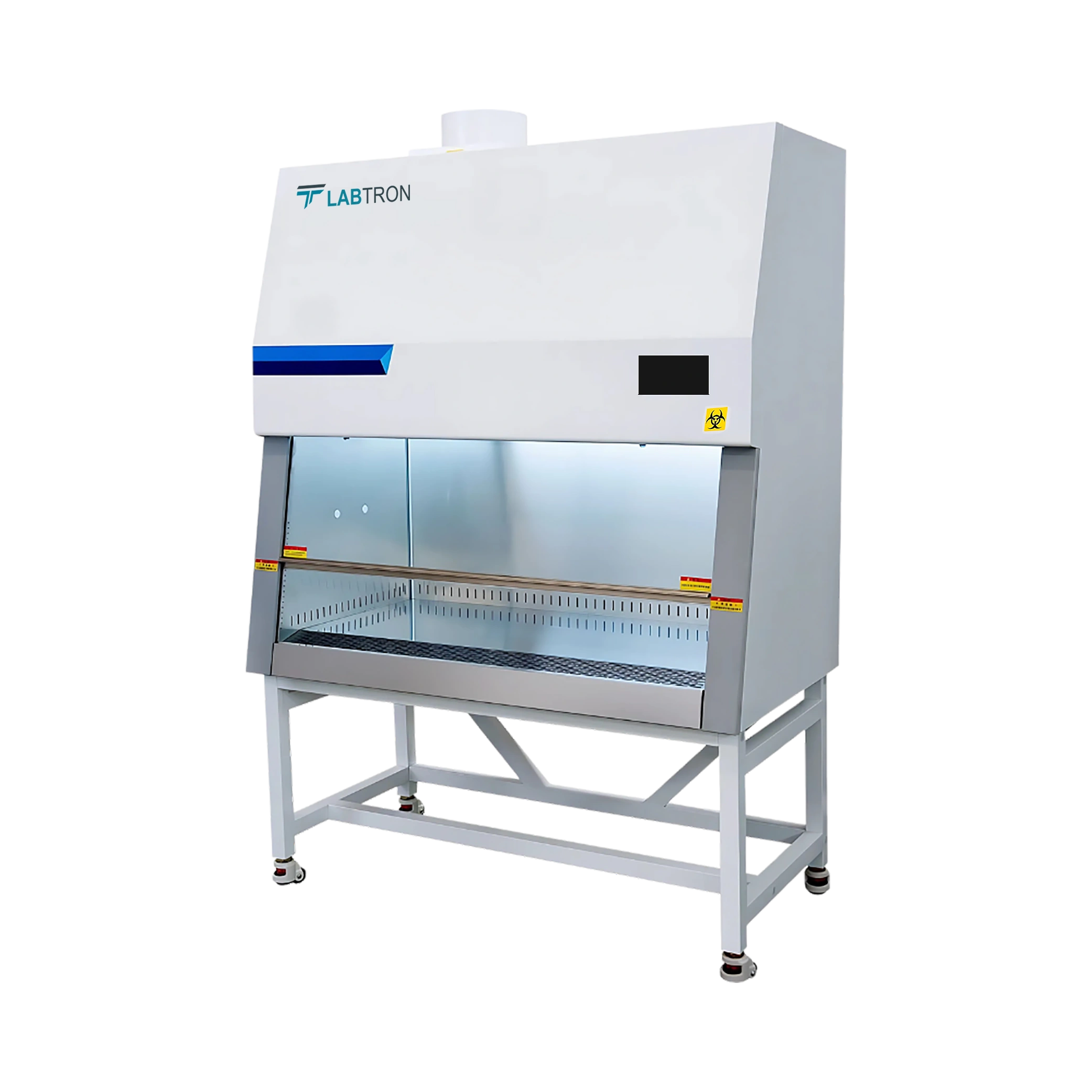

| Tested Opening | 180 mm |
| Maximum Opening | 530 mm |
| Usable Working Area | 0.672 m² |
| Airflow System | 70% air recirculation, 30% air exhaust |
| Average Inflow Velocity | 0.53 m/s |
| Average Downflow Velocity | 0.35 m/s |
| Inflow Airflow Volume | 1141 m3/h |
| Downflow Airflow Volume | 798 m3/h |
| Exhaust Airflow Volume | 1141 m3/h |
| Filter Specification | ULPA > 99.999% efficiency at 0.3 µm |
| Cleanliness Grade | Class 3 (ISO 14644.1) |
| Display | 7 inches touch screen |
| Sash Glass Type | Tempered Glass, UV-proof |
| Fluorescent Lamp | 30 W |
| UV Lamp | 3O W |
| Fluorescent Light Intensity | ≥ 700 lux |
| RMS | ≤ 3 µm |
| Sound Emission | ≤ 65 Db |
| Colony Count (Cross Contamination Protection) | ≤2 CFU/Time |
| Material | External: 18-gauge Electro-galvanized steel with white oven-baked powder-coated finish; Work Surface: 16-gauge Stainless steel |
| Power Consumption | 1500 W |
| Power Supply | AC 220 ± 10%, 50/60 HZ |
| Internal Dimension (W × D × H) | 1000 × 672 × 630 mm |
| External Dimension (W × D × H) | 1180 × 790 × 2160 mm |
| Packaging Dimension (W × D × H) | 1310 × 950 × 2220 mm |
| Net Weight | 280 Kg |
| Gross Weight | 305 Kg |
Adjustable Sash Opening
Pre-Installed Fluorescent and UV Lamps
Ergonomic Armrest Design
Filter Blockage and Lifetime Alerts
Optional Utility Valves
Our Biosafety Cabinet supports specialized applications such as handling infectious agents in diagnostics, forensic evidence processing, and environmental sample analysis, ensuring optimal containment and protection during high-risk laboratory procedures.
Accessory Name | Quantity |
Fluorescent lamp | 2 |
Ultraviolet lamp | 2 |
Receptacle (Pieces/Power/Current) | 1 |
Detachable Base Stand | 1 |
Wheels | 1 |
Gas Valve
Vacuum Valve
Water Valve
Arm Rest
I.V. Pole
Canopy Connection
Download catalog for
Biosafety Cabinet Class II B2 LBS2-B10 Catalog
Available Range :
Biosafety Cabinet Class II A2 LBS2-A50 : 180 mm Biosafety Cabinet Class II A2 LBS2-A41 : Safety Height 200 mm Biosafety Cabinet Class II B2 LBS2-B21 : Safety Height 200 mm(8 inch) Biosafety Cabinet Class II B2 LBS2-B20 : Safety Height 200mm (8 inch) Biosafety Cabinet Class II B2 LBS2-B24 : Safety height 200mm (8'') Biosafety Cabinet LBS2-A20 (Class II A2) : Safety height of 200 mm (8 inch)Labtron Biosafety Cabinets are incorporated with advanced technology, including ULPA filters and UV indicators. These cabinets ensure advanced protection with built-in interlock functionalities. Our diverse selection encompasses Class I, Class II A2, Class II B2, and more. They provide exceptional airflow control for maintaining sterility and optimizing laboratory conditions. Our biosafety cabinet provides unparalleled durability, featuring two-layer laminated toughened glass.
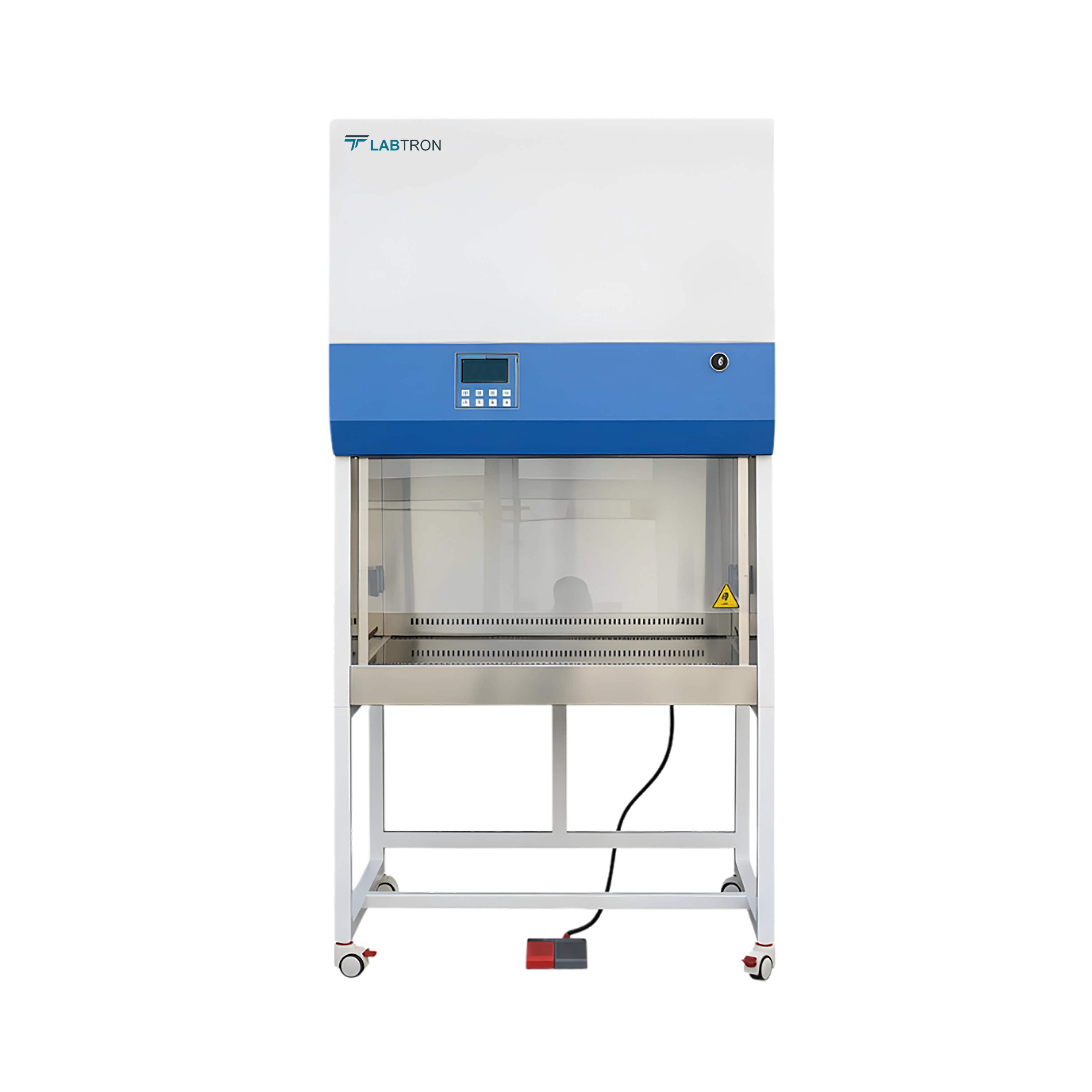


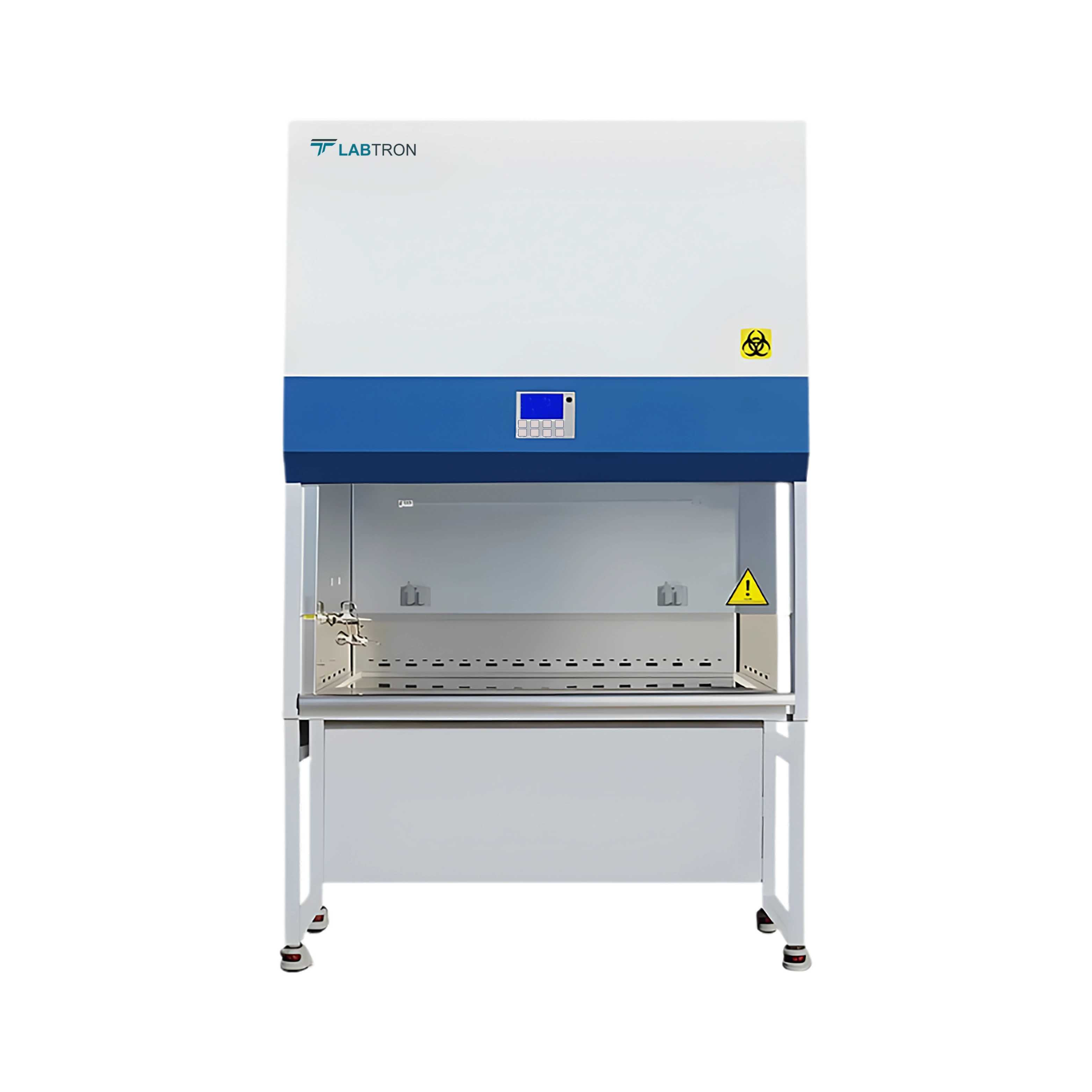
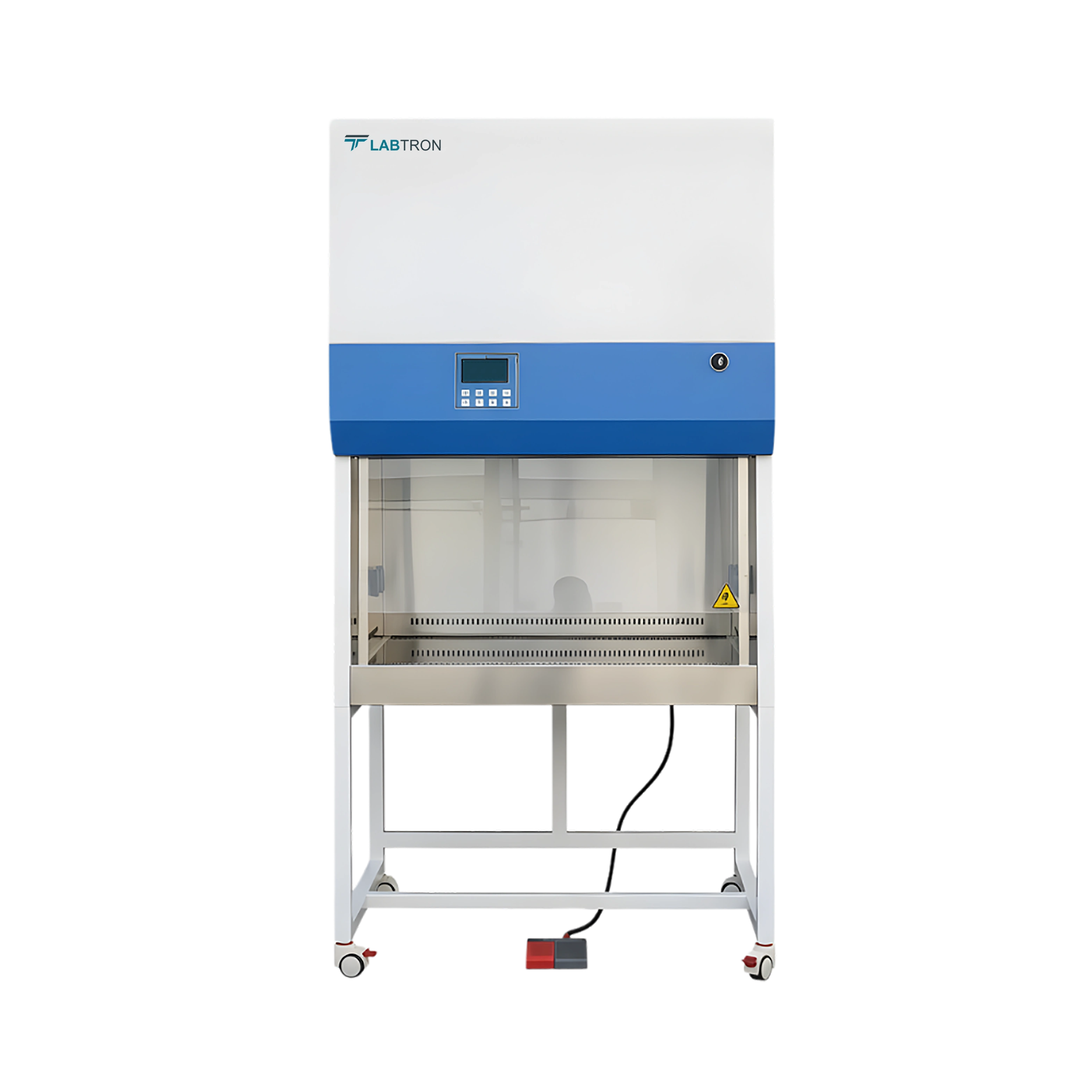
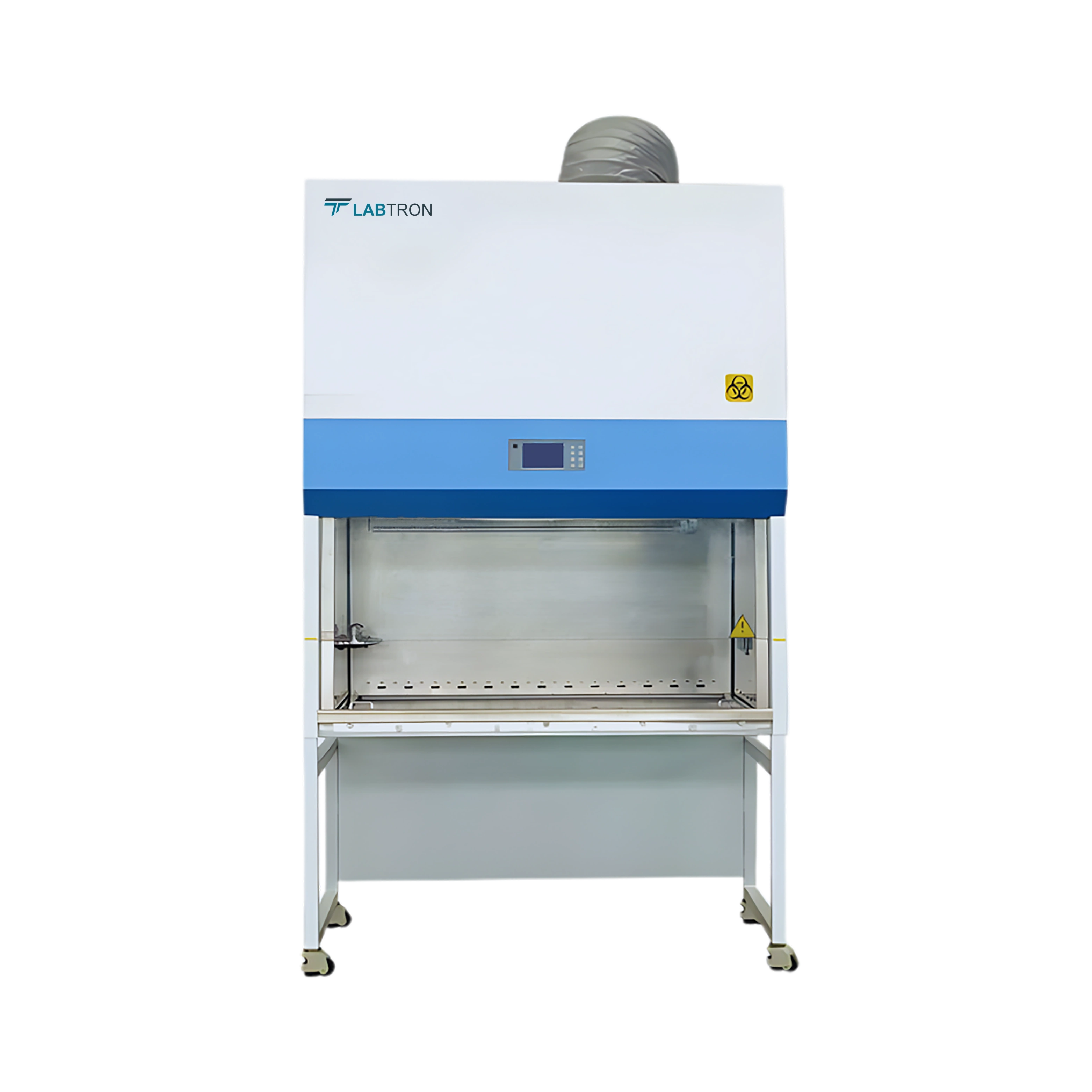
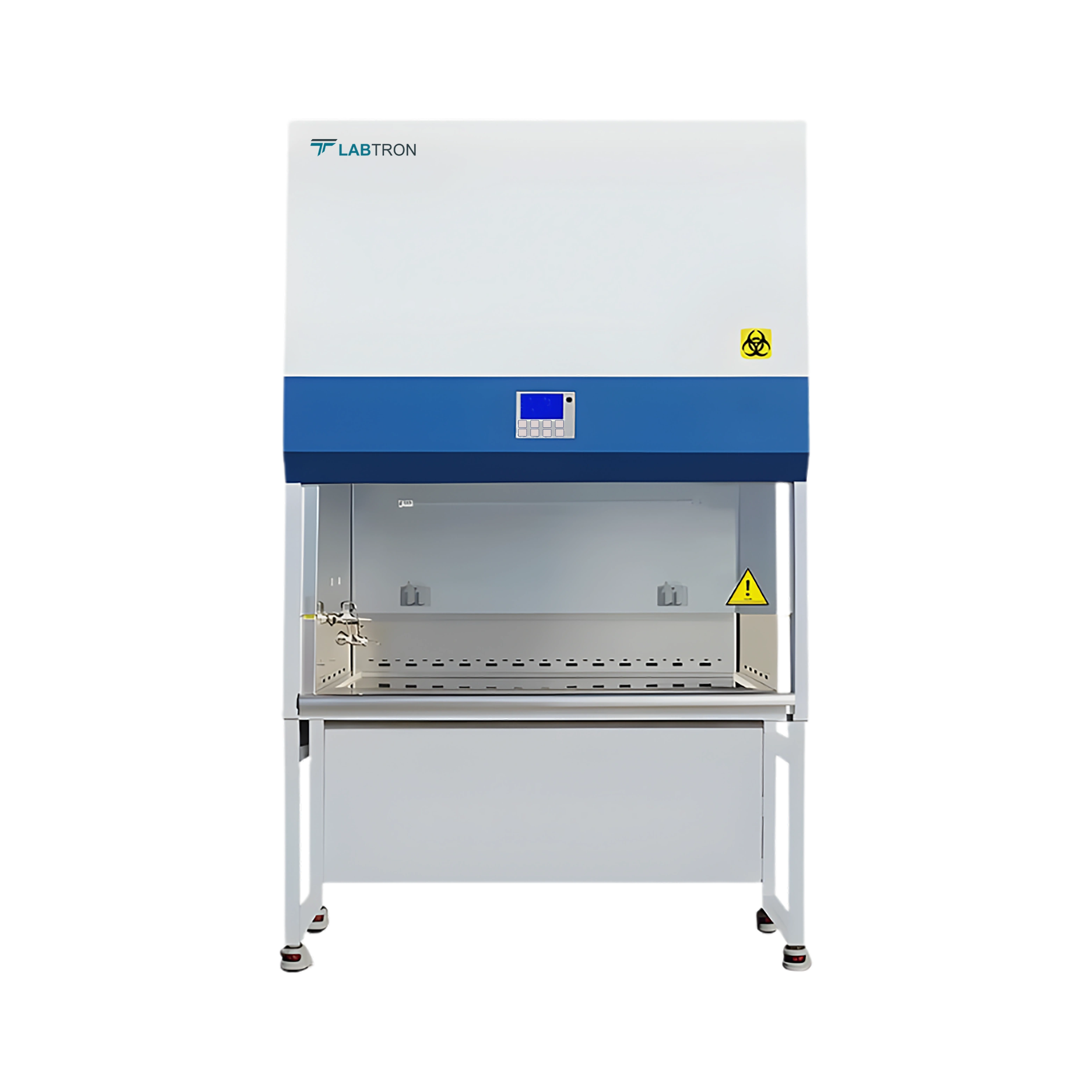
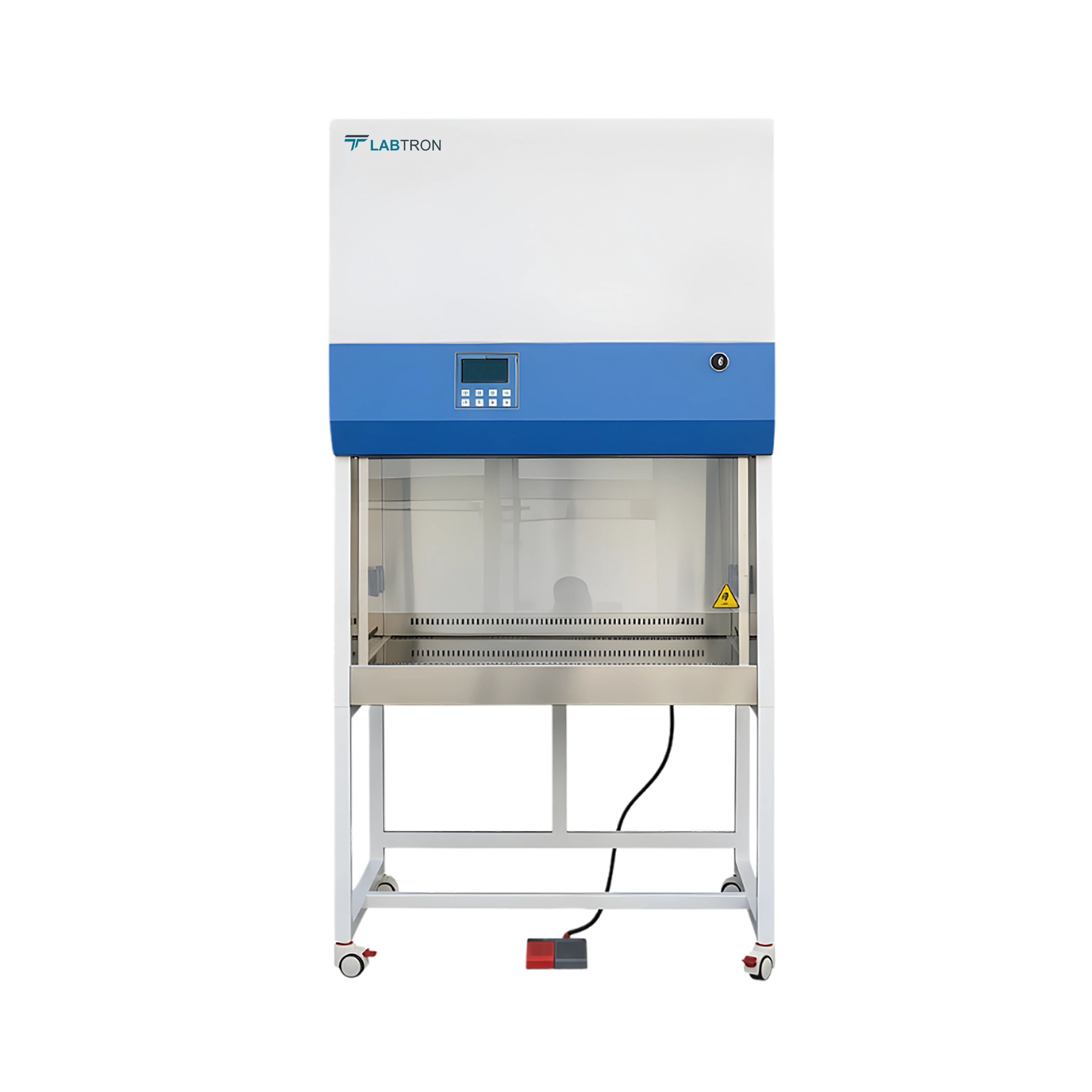
Airflow performance and filter integrity in Biosafety Cabinet Class II B2 LBS2-B10 should be tested at least every 6 to 12 months, depending on usage intensity and institutional protocols. High-risk labs or facilities handling critical samples may require quarterly validations. Airflow tests include checking inflow, downflow, and exhaust velocity to ensure containment efficiency. ULPA filters should undergo leak tests to confirm filtration effectiveness. Additional checks are advised after filter replacement, relocation, or any major maintenance. Proper documentation of each test is vital for audits and regulatory compliance. Regular validation ensures both operator safety and environmental protection.
Yes, Biosafety Cabinet Class II B2 LBS2-B10 is designed to support demanding lab environments where multiple users may operate in shifts. Its durable construction, ergonomic features, and advanced control systems ensure consistent performance over extended periods. The airflow system is engineered to remain stable despite frequent use, ensuring uniform protection across all working hours. Clear visual indicators and easy-to-read displays assist users in monitoring real-time cabinet performance. Periodic training is recommended to ensure users understand the cabinet's operation and safety protocols. With proper scheduling, maintenance, and usage guidelines, it remains reliable in shared laboratory settings.
The Biosafety Cabinet Class II B2 LBS2-B10 is engineered for high-throughput labs that frequently handle large volumes of hazardous samples. It maintains consistent airflow and negative pressure throughout continuous operations, ensuring that contaminants do not escape into the environment. The cabinet's airflow sensors provide real-time feedback, allowing automatic adjustments to maintain airflow integrity. Its exhaust system operates at full capacity at all times, making it ideal for uninterrupted sample handling. The spacious working area reduces overcrowding of materials, which helps prevent airflow obstruction. In high-volume use, regular monitoring of airflow and filter load is critical to maintaining consistent safety performance. Its robust design ensures long-term reliability without compromising protection.
Relocating the Biosafety Cabinet Class II B2 LBS2-B10 requires careful planning due to its ducted exhaust configuration. The new location must accommodate proper ductwork, ceiling clearance, and access for maintenance. Professional decontamination should be performed before transport to eliminate residual biohazards. After relocation, the cabinet must be recertified, including airflow velocity checks and filter integrity tests. Structural stability, vibration exposure, and electrical compatibility should also be verified in the new space. Improper relocation can compromise cabinet performance and user safety. It's strongly recommended to involve certified biosafety professionals in the relocation process.
The Biosafety Cabinet Class II B2 LBS2-B10 is built to maintain airflow stability even under mild power fluctuations, thanks to its high-performance motor and smart control system. In environments prone to outages, it is recommended to connect the cabinet to an uninterruptible power supply (UPS) or backup generator. This ensures continued airflow during short-term power loss, preserving containment. Once power resumes, the cabinet typically undergoes a safety check and airflow recalibration. The control panel displays system status and alerts the user to any deviations. Prolonged power loss requires airflow and filter integrity verification before resuming work. These precautions safeguard users and samples against unexpected events.
Post your question?
Our experts are here to help!
Labtron Equipment Ltd., Quatro House, Lyon Way, Camberley, Surrey GU16 7ER United Kingdom
Email: info@labtron.com Whatsapp: +44 73 4441 2688 Phone: +44 2080 043608