 info@labtron.com

| Temperature Range | -60℃ to 140℃ |
| Temperature Accuracy | 0.05 ℃ |
| Measurement | Kinematic Viscosity, Dynamic Viscosity, Density, Viscosity Index |
| Viscosity Range | 0.2 to 30,000 mm²/s |
| Density Range | 0 to 3 g/cm³ |
| Constant Temperature Timing | 0 to 100 minutes |
| Timing Range | 0 to 999.99 seconds |
| Timing Times | 1 to 4 times optional |
| Experimental Data Storage | 350 sets of experimental data |
| Printer | built-in thermal printer |
| Display | 7-inch industrial color touchscreen LCD |
| Power Supply | AC240V±20% 50HZ±10 |
| Dimension | 400 × 380 × 420 mm |
| Packaging Dimension | 650 × 550 × 500 mm |
| Net Weight | 20 Kg |
| Gross Weight | 55 Kg |
Our kinematic Viscometer is suitable for measuring the kinematic viscosity of liquid petroleum products. It can be used in various applications, including fuel, lubricating oil, heavy fuel, additives, service oil, and chemicals.
7 Capillary Viscometer Tubes
Download catalog for
Kinematic Viscometer LKV-A17 Catalog
Download manual for
Kinematic Viscometer LKV-A17 Manual
Available Range :
Kinematic Viscometer LKV-A17 : -60℃ to 140℃ Low Temperature Kinematic Viscosity Tester LKV-A14 : -65 ℃ to Room Temperature Automated Kinematic Viscometer LKV-A18 : 20℃ to 100℃ (external chiller required for ambient temperatures; high-temperature option up to 150°C available) Automated Kinematic Viscometer LKV-A19 : 20℃ to 100℃ (for temperatures around ambient, an external chiller is required) Kinematic Viscometer LKV-A22 : Ambient temperature to 200℃ (Immersion cooler required for temperatures below room temperature) Kinematic Viscometer LKV-A10 : Ambient to 100°C Kinematic Viscometer LKV-A20 : Ambient to 100℃ Kinematic Viscometer LKV-A21 : Room temperature to 110°CLabtron Kinematic Viscometer is specialized to measure dynamic viscosity to fluid density, providing insight into flow behavior under gravity. Their design includes calibrated capillary tube for accurate liquid movement measurement. They feature digital readouts for quick and clear visibility of viscosity results during testing. Their motorized system ensures smooth and uniform rotation for reliable viscosity results. Our Kinematic Viscometer is suitable for crude and refine oil, food and beverages and for pharmaceuticals.


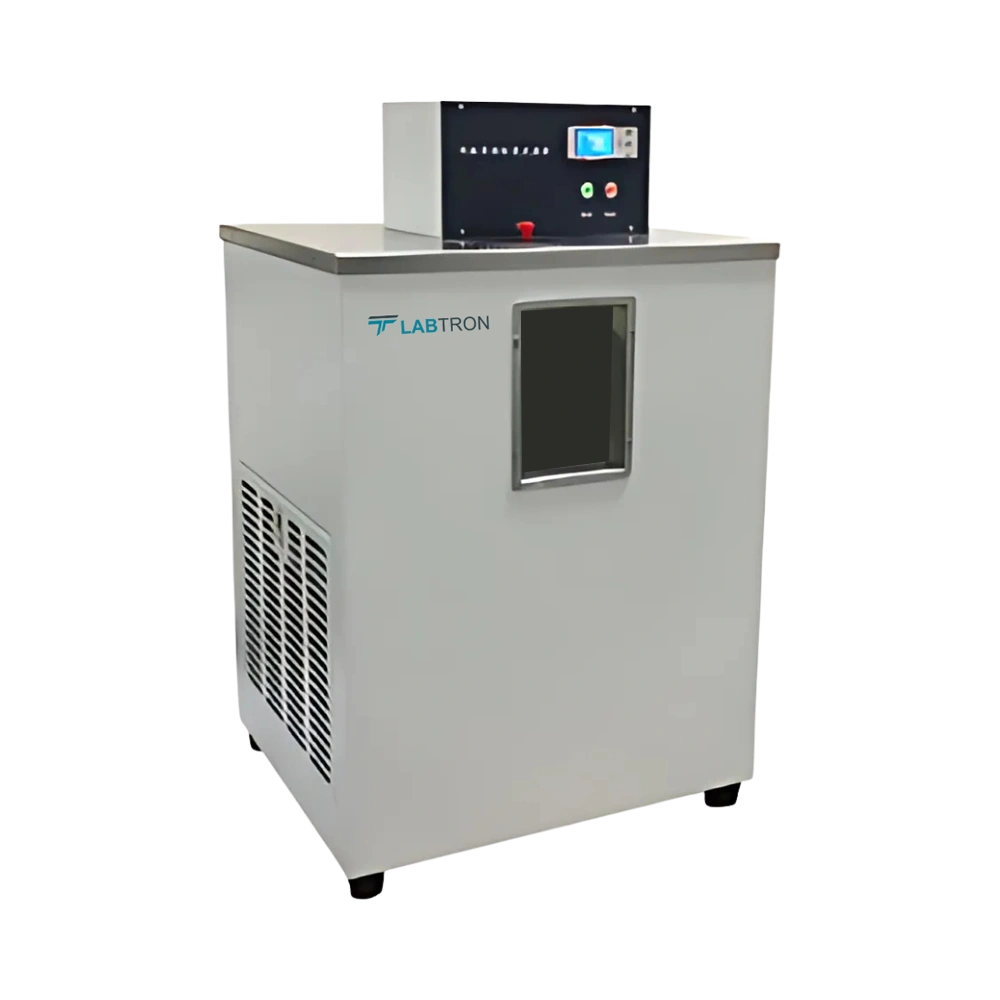

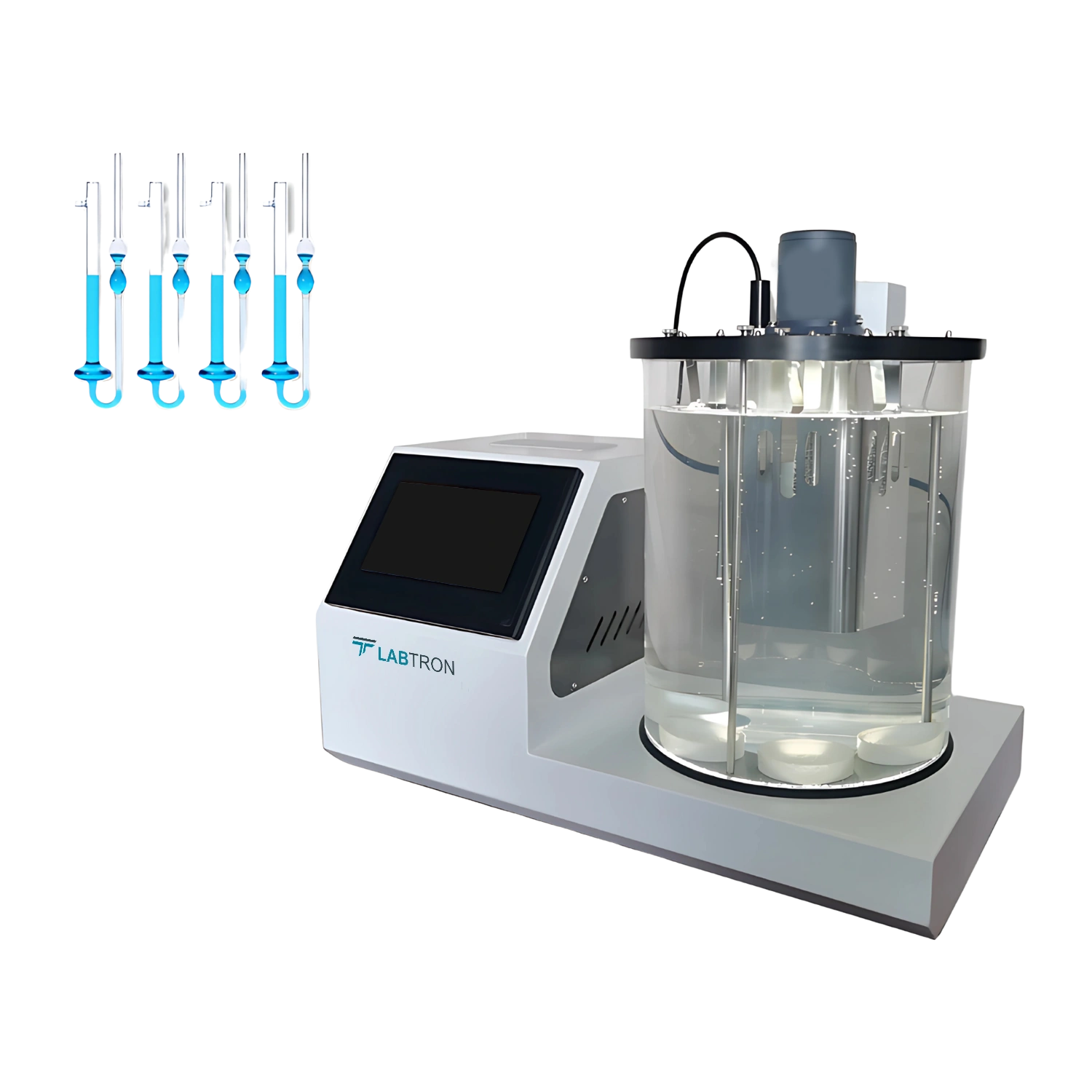
The Kinematic Viscometer LKV-A17 is optimized for Newtonian fluids, including diesel, gasoline, base oils, lubricants, hydraulic fluids, transformer oils, and other petroleum-based substances. It can also test chemicals with stable viscosity characteristics across the set temperature range. However, it's not recommended for non-Newtonian fluids like emulsions, slurries, or polymer-thickened materials, as their flow behavior doesn't align with standard capillary test methods. Using the correct capillary size and pre-conditioning samples ensures accurate viscosity readings.
Labtron Kinematic Viscometer LKV-A17 requires different capillary tubes depending on the viscosity range of the sample. Lower viscosity fluids need smaller tubes, while higher viscosity samples require wider tubes for proper flow during the timing period. The viscometer supports multiple tube sizes, and users can calibrate each one using standard reference oils. Refer to ASTM or the product manual to choose the correct tube based on your sample type.
The Kinematic Viscometer LKV-A17 allows testing of samples at sub-zero temperatures, with a working range down to –60°C. This feature is useful for checking how fuels and lubricants behave in cold climates or during engine cold starts. The unit uses low-freezing-point bath fluids to maintain stable temperature control. Make sure the correct bath fluid is used to avoid freezing or damage.
Our Kinematic Viscometer LKV-A17 can test up to four samples at once, and each sample is handled separately by the system. One person can easily run and monitor all tests at the same time. The system takes care of timing, measurement, and data recording automatically. This helps improve efficiency without needing extra staff.
Labtron Kinematic Viscometer LKV-A17 should be calibrated regularly to keep test results accurate. Users should verify calibration with standard viscosity fluids weekly or monthly, based on how often the unit is used. For frequent testing, calibration should be done daily or before every batch. The viscometer allows saving calibration data for different tubes, and any unusual result should be checked with a new calibration or by inspecting the system.
Post your question?
Our experts are here to help!
Labtron Equipment Ltd., Quatro House, Lyon Way, Camberley, Surrey GU16 7ER United Kingdom
Email: info@labtron.com Whatsapp: +44 73 4441 2688 Phone: +44 2080 043608