 info@labtron.com

| Temperature Range | 20℃ to 100℃ (for temperatures around ambient, an external chiller is required) |
| Temperature Accuracy | ±0.01℃ |
| Timing Accuracy | 0.02s |
| Auto Sampler Capacity | 12 positions |
| Sample Preheating | Ambient to 95℃ |
| Bath Capacity | 2.5L |
| Bath Medium | Silicone Fluid |
| Viscosity Range | 0.5 to 10000 mm²/s (depending on viscometer tube selection) |
| Viscometer Type | Modified Ubbelohde |
| Safety Features | Prompt for lack of solvent Bath over temperature protection Liquid level protection |
| I/O Port | RS232 * 2 |
| Standards | ASTM D445, D446, ISO 3104, ISO 3105, IP 71, GB/T 265, GB/T 30515 |
| Data Export | LIMS or Printer |
| Machine Power | ≤1000W |
| Heater Power | 600W |
| Operating Conditions | 5℃ to 35℃ 20 to 90% RH at 35℃, Non-condensing |
| Power Supply | AC 220V±10 50/60Hz |
| Dimensions (W×D×H) | 400mm × 510mm × 710mm |
| Weight | 60Kg (including bath medium) |
| Packaging Dimension | 700mm × 800mm × 1000mm |
| Gross Weight | 95 Kg |
Our Automated Kinematic Viscometer LKV-A19 is ideal for testing lubricants, polymers, chemicals, and coatings, ensuring consistency and quality in production processes.
Download catalog for
Automated Kinematic Viscometer LKV-A19 Catalog
Available Range :
Kinematic Viscometer LKV-A17 : -60℃ to 140℃ Low Temperature Kinematic Viscosity Tester LKV-A14 : -65 ℃ to Room Temperature Automated Kinematic Viscometer LKV-A18 : 20℃ to 100℃ (external chiller required for ambient temperatures; high-temperature option up to 150°C available) Automated Kinematic Viscometer LKV-A19 : 20℃ to 100℃ (for temperatures around ambient, an external chiller is required) Kinematic Viscometer LKV-A22 : Ambient temperature to 200℃ (Immersion cooler required for temperatures below room temperature) Kinematic Viscometer LKV-A10 : Ambient to 100°C Kinematic Viscometer LKV-A20 : Ambient to 100℃ Kinematic Viscometer LKV-A21 : Room temperature to 110°CLabtron Kinematic Viscometer is specialized to measure dynamic viscosity to fluid density, providing insight into flow behavior under gravity. Their design includes calibrated capillary tube for accurate liquid movement measurement. They feature digital readouts for quick and clear visibility of viscosity results during testing. Their motorized system ensures smooth and uniform rotation for reliable viscosity results. Our Kinematic Viscometer is suitable for crude and refine oil, food and beverages and for pharmaceuticals.

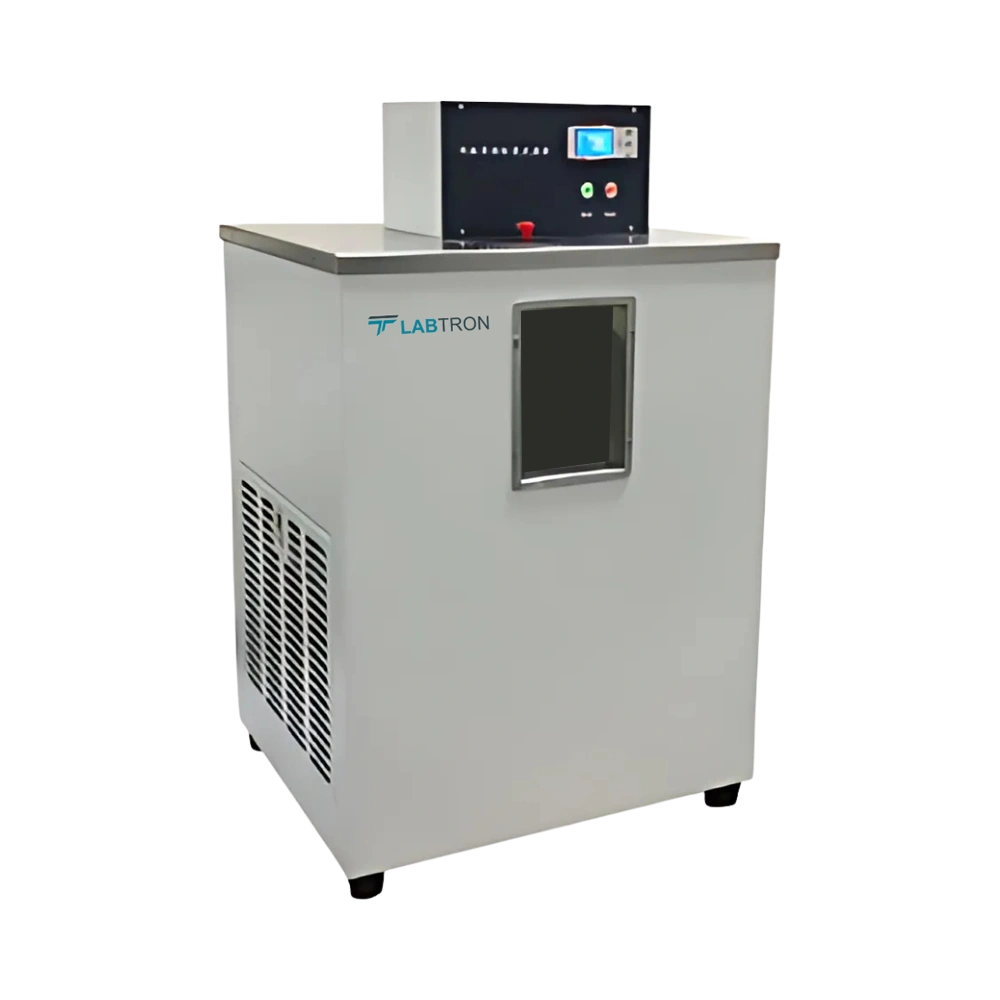


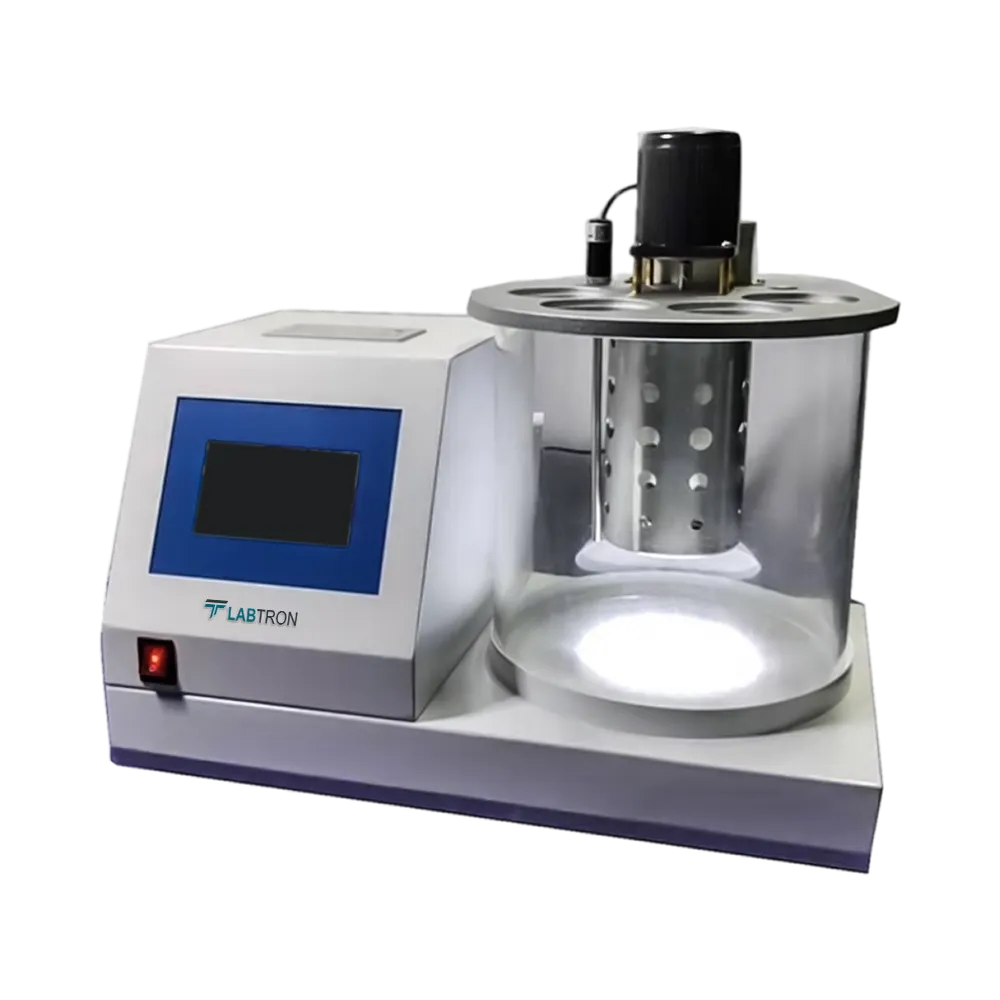
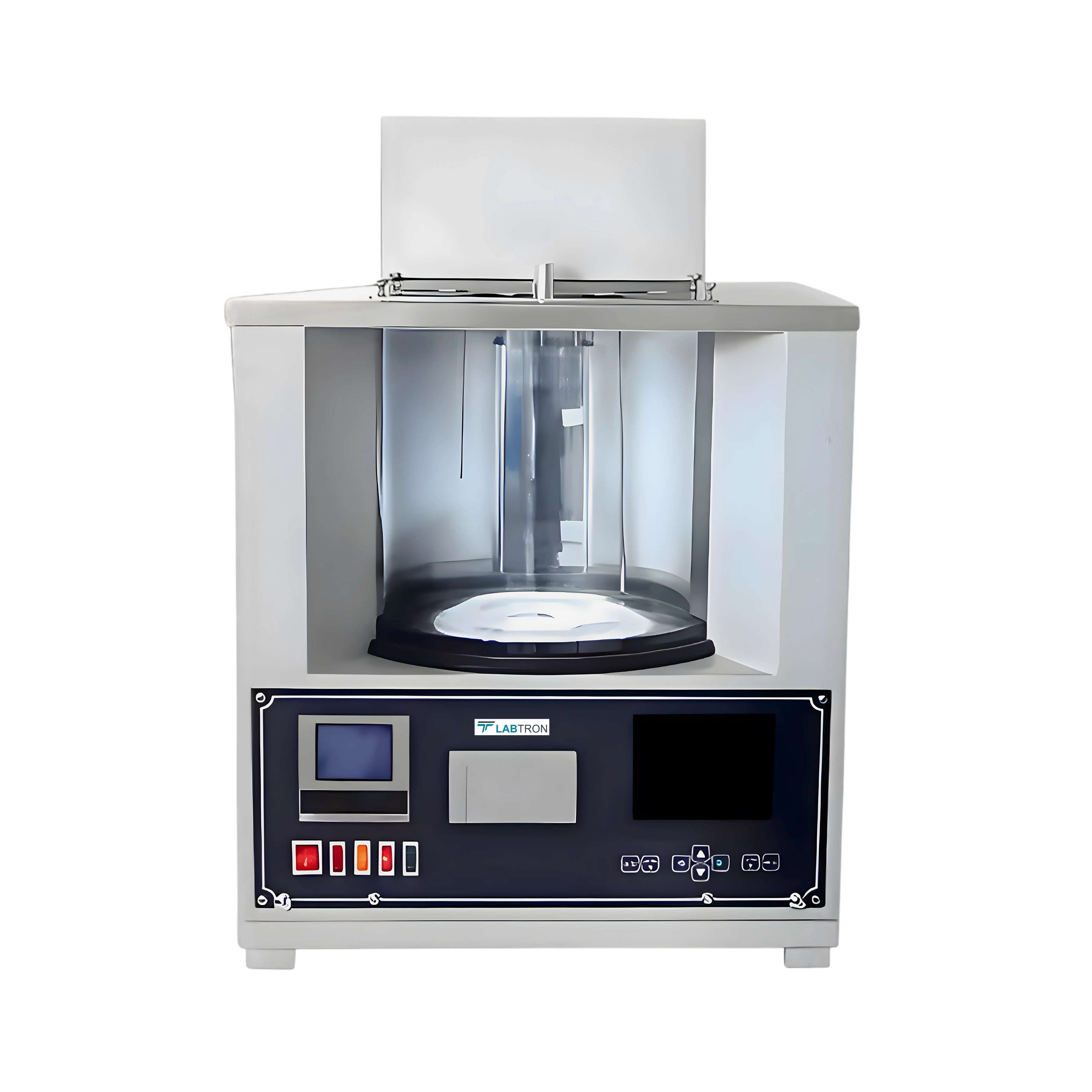
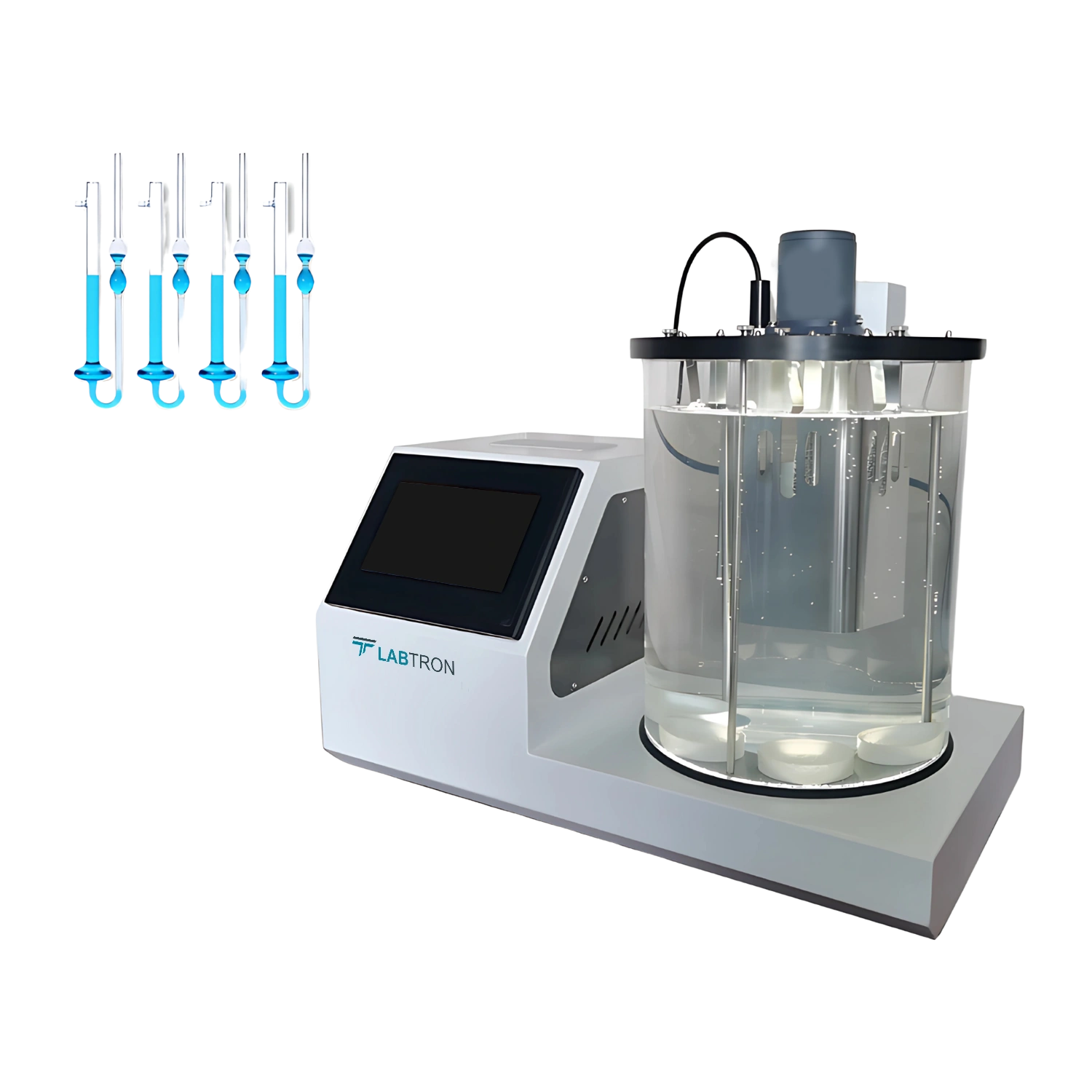
Labtron Automated Kinematic Viscometer LKV-A19 features a dual-solvent system that allows the use of two different solvents, one for dissolving residues and another for rinsing. This helps improve cleaning results when working with different types of fluids, especially high-viscosity or sticky samples. The system cleans the capillary tube automatically, reducing manual work between tests. It also helps save solvent and lowers overall operating costs for the lab.
The Automated Kinematic Viscometer LKV-A19 may lose heat more quickly if the room is cooler than the set bath temperature, which can affect test accuracy. We recommend using an external chiller to keep the bath stable, especially if testing around 20°C. Keeping the lab temperature steady between 20–25°C helps the instrument perform correctly. The insulated bath design also helps limit heat loss during tests.
Labtron’s Automated Kinematic Viscometer LKV-A19 may give inaccurate readings due to calibration issues, buildup inside the capillary tube, sensor problems, or unstable temperature. To fix this, check calibration using a certified standard fluid, and clean or replace the tube if needed. Also check the meniscus sensor and bath fluid condition. Make sure there are no bubbles in the sample and that leftover solvent is not affecting flow. Regular maintenance helps avoid these problems.
The Automated Kinematic Viscometer LKV-A19 allows you to lower solvent use by adjusting cleaning settings such as rinse time and number of cleaning cycles. Use the drying feature after each test to remove residue and avoid repeat rinsing. Choose solvents that match the sample type to avoid wasting extra solvent. Clean samples and filter out debris before testing to keep the system efficient.
Labtron’s Automated Kinematic Viscometer LKV-A19 may fail to detect the meniscus if the sample is cloudy, contains bubbles, or the sensor is not aligned. Make sure the capillary tube is clean and securely placed. Check for bubbles or foam in the sample and remove them before starting. If the problem continues, run a system check or contact support to adjust or recalibrate the sensor.
Labtron’s Automated Kinematic Viscometer LKV-A19 should be used with care when handling solvents and test fluids. Always work in a well-ventilated area and wear safety gloves and goggles. Store solvents in proper containers and make sure waste is collected in the attached disposal system. Keep all tools and sample containers clean to avoid contamination and protect the user.
Post your question?
Our experts are here to help!
Labtron Equipment Ltd., Quatro House, Lyon Way, Camberley, Surrey GU16 7ER United Kingdom
Email: info@labtron.com Whatsapp: +44 73 4441 2688 Phone: +44 2080 043608