info@labtron.com

| Testing Elements | K, Na, Li, Ca |
| Data Range | 0.000 to 999.9 |
| Channel Quantity | 4 |
| Range | K: 0.15 to 100 ppm, Na: 0.18 to 100 ppm, Li: 0.1 to 30 ppm, Ca: 0.1 to 1000 ppm |
| LOD | K: ≤0.15, Na: ≤0.18, Li: ≤0.1035, Ca: ≤2 |
| Linear error | K: ≤0.195, Na: ≤0.69, Li: ≤0.1449, Ca: ≤3 |
| Response Time | < 8 s |
| Sample Uptake | < 6 ml / min |
| Stability | <3% drift over 15s when continuously aspirating |
| Reproducibility | <3% coefficient of variation for7 consecutive samples |
| Curve Graph | Display |
| Printer | Optional build-in thermal printer |
| COM | USB |
| Fuel | LPG |
| Power Supply | AC 220V±22 V 50 Hz ±1Hz |
| Power Consumption | 250 W |
| Packaging Size | 570 mm × 530 mm × 400 mm |
| Weight | 18 kg |
Flameout Protection Device
Measuring Range Variation
Concentration Units Selectable
Direct Concentration Display
Air Compressor Mode
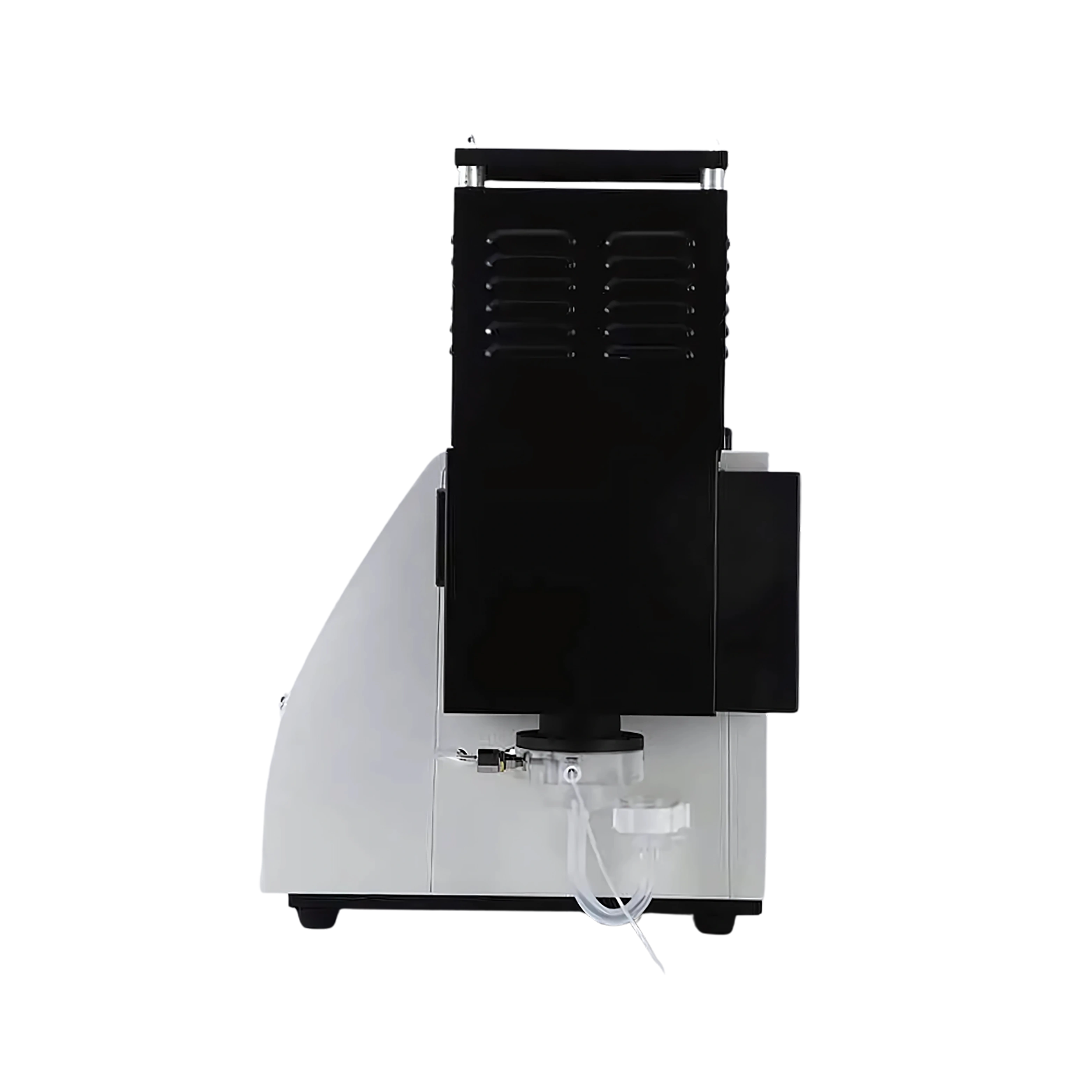
Flame Photometer LFP-B20 vaporizes metal‑salt solutions in a hot flame and measures the intensities of their emitted spectral lines to quantify metal concentration. It plays a key role in environmental analysis, food, agriculture and pharmaceutical industries.
Download catalog for
Flame Photometer LFP-B20 Catalog
Labtron Flame Photometers serve to measure the amount of metal ions in test materials, including K, Na, Li, Ca, and Ba. This has USB ports for data transfer in addition to a color touchscreen display. They have air compressors to maintain steady flame conditions and flameout prevention systems. These provide the option to choose various concentration units and enable the pre-selection of frame sizes. We provide photometers that compute test sample correlation automatically. Our flame photometers are perfect for accurate and dependable metal ion analysis because of their sophisticated features and user-friendly design.


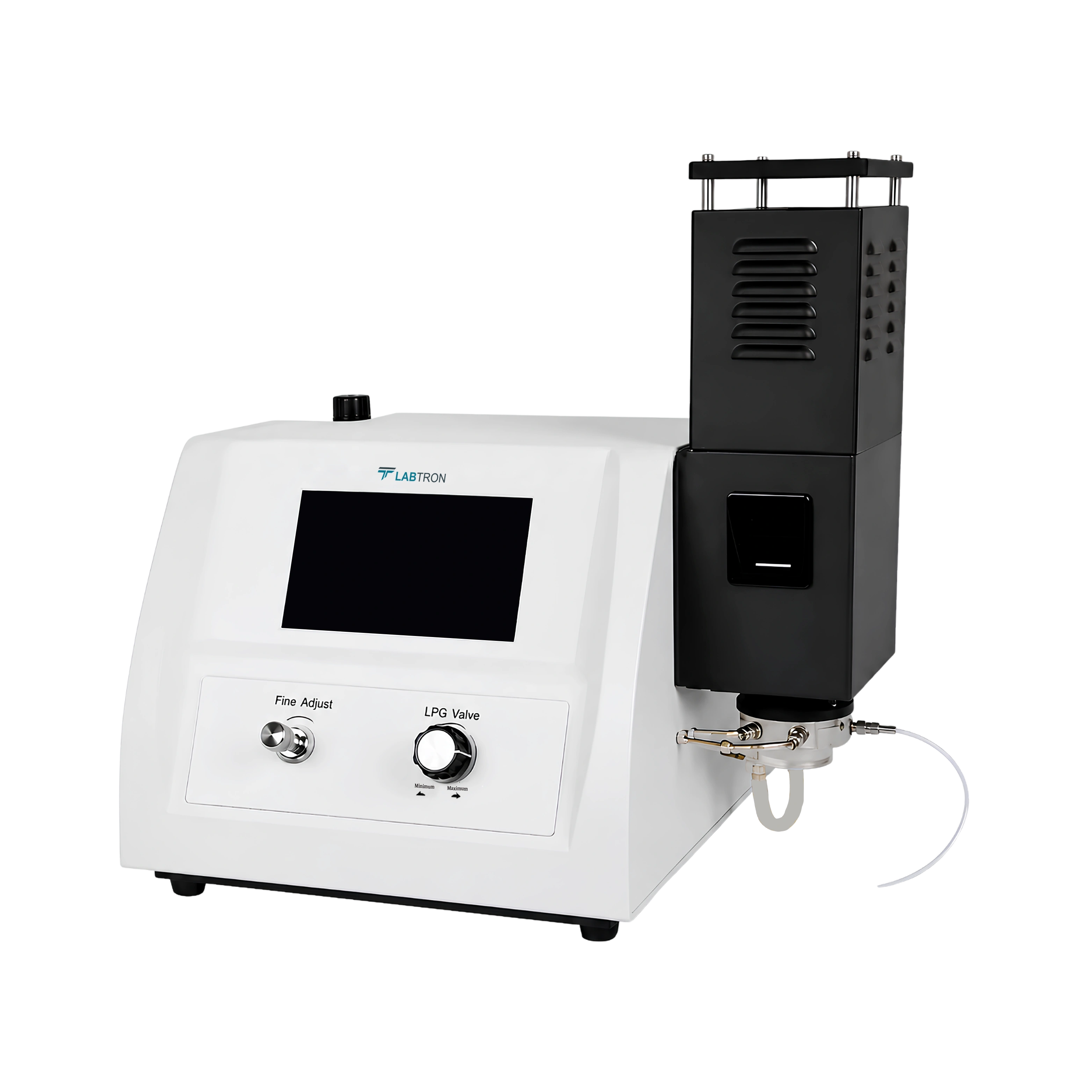
Labtron’s Flame photometer LFP-B20 operates on the principle that certain metal ions emit light at characteristic wavelengths when introduced into a flame. The intensity of this emitted light is directly proportional to the concentration of the specific metal ion in the sample. This technique is particularly effective for analyzing alkali and alkaline earth metals such as sodium, potassium, lithium, and calcium. The emitted light is detected and measured, allowing for quantitative analysis of these elements in various samples. This method is widely used due to its simplicity, cost-effectiveness, and rapid analysis capabilities. However, it is limited to elements that can be easily excited in a flame and may not be suitable for detecting elements that require higher excitation energies. Proper calibration and maintenance are essential to ensure accurate and reliable results. Interferences from other elements and matrix effects must also be considered during analysis.
Labtron supplies advanced models of flame photometer LFP-B20. While both flame photometry and atomic absorption spectroscopy (AAS) are techniques used to analyze metal ions, they differ fundamentally in their principles. Flame photometry measures the light emitted by excited atoms in a flame, whereas AAS measures the absorption of light by ground-state atoms. Flame photometry is generally simpler, faster, and more cost-effective, making it suitable for routine analysis of elements like sodium and potassium. In contrast, AAS offers higher sensitivity and specificity, capable of detecting a broader range of elements at lower concentrations. AAS requires a light source specific to each element, such as a hollow cathode lamp, and often involves more complex instrumentation. Flame photometry is limited to elements that can be easily excited in a flame, while AAS can analyze elements that require higher excitation energies.
Flame photometer LFP-B20 is susceptible to various interferences that can affect the accuracy of the results. Spectral interferences occur when emission lines of different elements overlap, leading to erroneous readings. Chemical interferences arise from reactions in the flame that alter the concentration of free atoms, such as the formation of refractory compounds. Ionization interferences happen when atoms ionize in the flame, reducing the number of neutral atoms available for emission. Physical interferences include variations in sample viscosity, surface tension, and nebulization efficiency. To minimize these interferences, methods such as using appropriate filters, adding ionization suppressors, optimizing flame conditions, and employing standard addition techniques can be employed. Regular calibration with standards that closely match the sample matrix also helps in reducing errors. Proper maintenance and cleaning of the instrument components are essential to prevent contamination and ensure consistent performance.
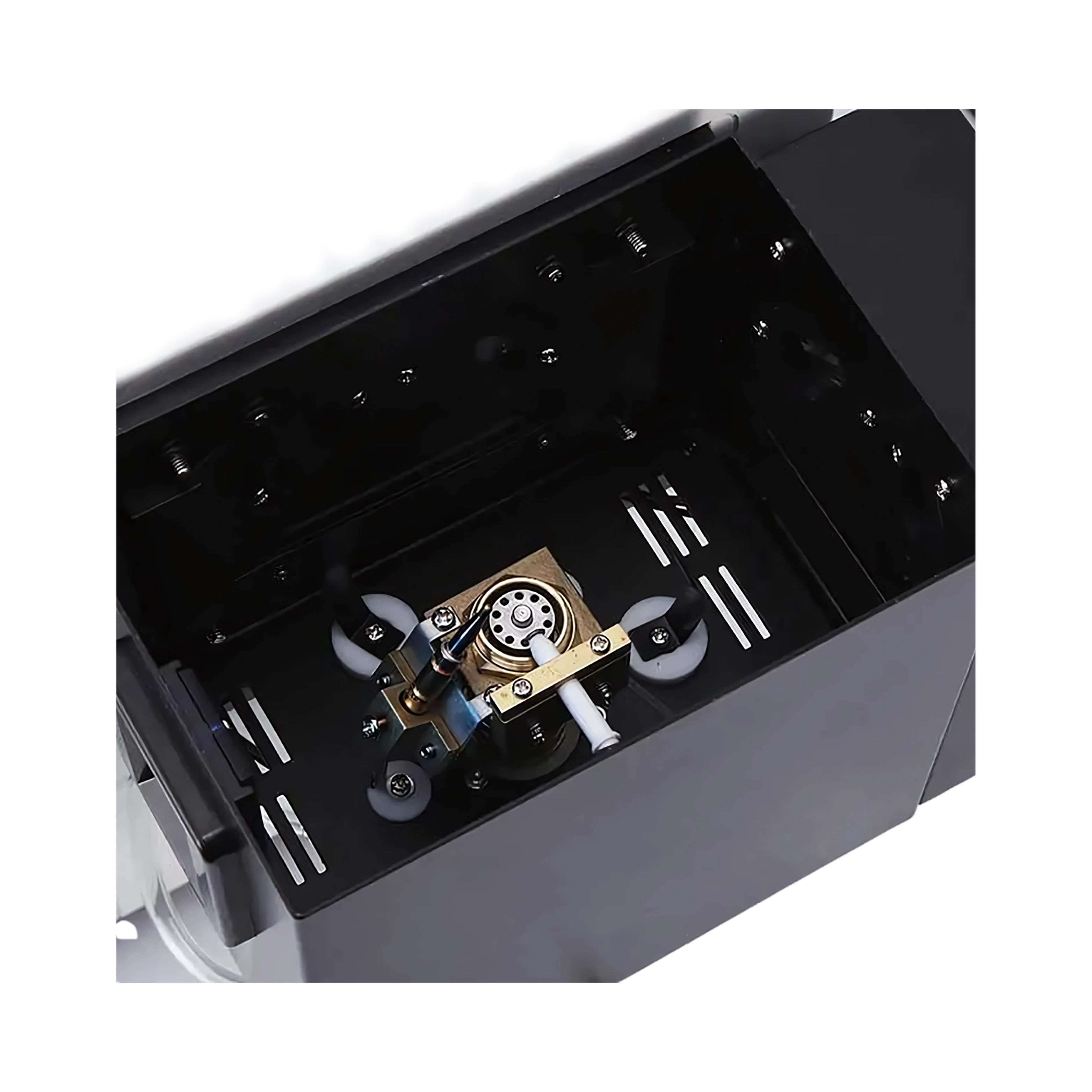
Labtron flame photometer LFP-B20 consists of several critical components that work together to facilitate the analysis of metal ions. The nebulizer converts the liquid sample into a fine aerosol, which is then introduced into the flame. The burner provides a stable flame, typically fueled by a mixture of air and propane or natural gas, to excite the atoms in the sample. Optical filters or a monochromator isolate the specific wavelengths of light emitted by the excited atoms. A photodetector, such as a photomultiplier tube, measures the intensity of the emitted light. The signal processor amplifies and converts the detected light into an electrical signal. Finally, the readout system displays the results, often in terms of concentration units. Each component must function correctly and be properly maintained to ensure accurate and reliable measurements.
Labtron supplies advanced models of flame photometer LFP-B20. Calibration in flame photometry involves establishing a relationship between the instrument's response and known concentrations of analyte standards. This process typically includes preparing a series of standard solutions with varying concentrations of the target metal ion. The instrument measures the emission intensity of each standard, and a calibration curve is plotted. This curve is then used to determine the concentration of unknown samples by comparing their emission intensities. Calibration is crucial for accurate quantification, as it accounts for instrument sensitivity and potential interferences. Regular calibration ensures the reliability of results and helps detect any drift or malfunction in the instrument. It's essential to use standards that closely match the sample matrix to minimize matrix effects. Proper calibration practices contribute significantly to the overall quality and validity of analytical data.
Post your question?
Our experts are here to help!
Labtron Equipment Ltd., Quatro House, Lyon Way, Camberley, Surrey GU16 7ER United Kingdom
Email: info@labtron.com Whatsapp: +44 73 4441 2688 Phone: +44 2080 043608