info@labtron.com

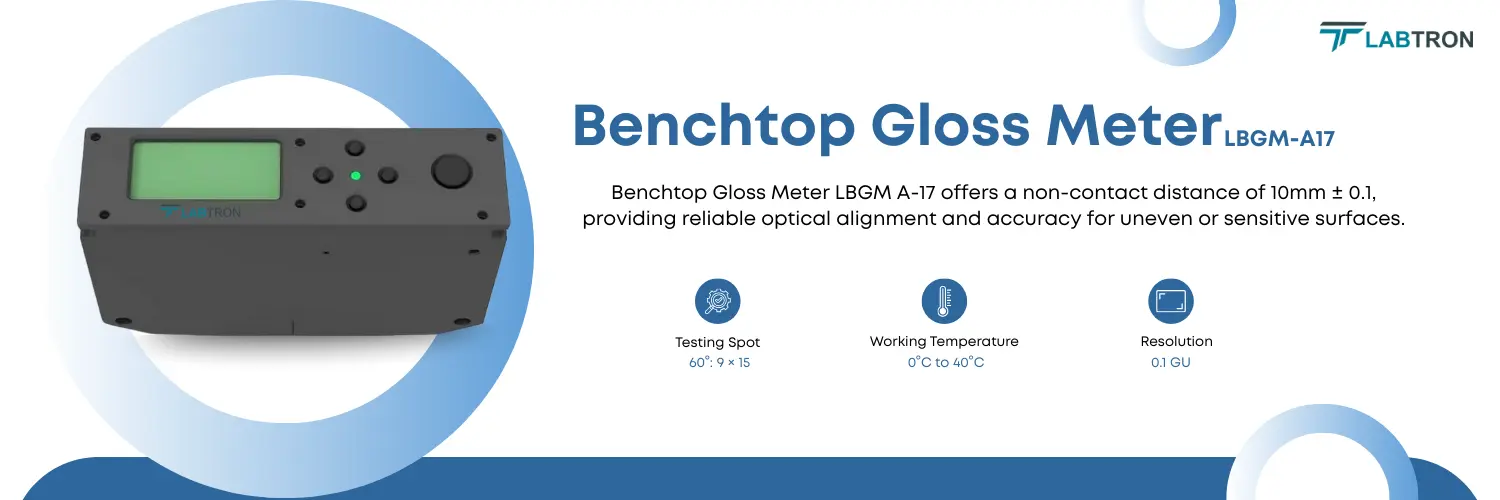
| Non-Contact Distance | 10mm ± 0.1 |
| Test Angle | 60° |
| Testing Spot | 60°: 9 × 15 |
| Resolution | 0.1 GU |
| Test Modes | Basic Mode, Statistical Mode, Continuous Mode, Quality Control Mode |
| Repeatability | 0 to 100 GU: ±0.5GU 100 to 1000GU: ±0.5%GU |
| Test Time | 0.2s / 1s |
| Data Storage | 35000 Pcs (15000 in Basic and Continuous Mode, 10000 in Quality Control Mode, 10000 in Statistical Mode) |
| Auto Shut Down Time | 30s, 60s, 90s, 2min or Never Shut Down |
| Working Temperature | 0°C to 40°C |
| Storage Temperature | -20°C to 50°C |
| Working Humidity Range | < 85 % RH |
| Dimensions (L× W× H) | 140× 83 × 38mm |
| Weight | 500g |
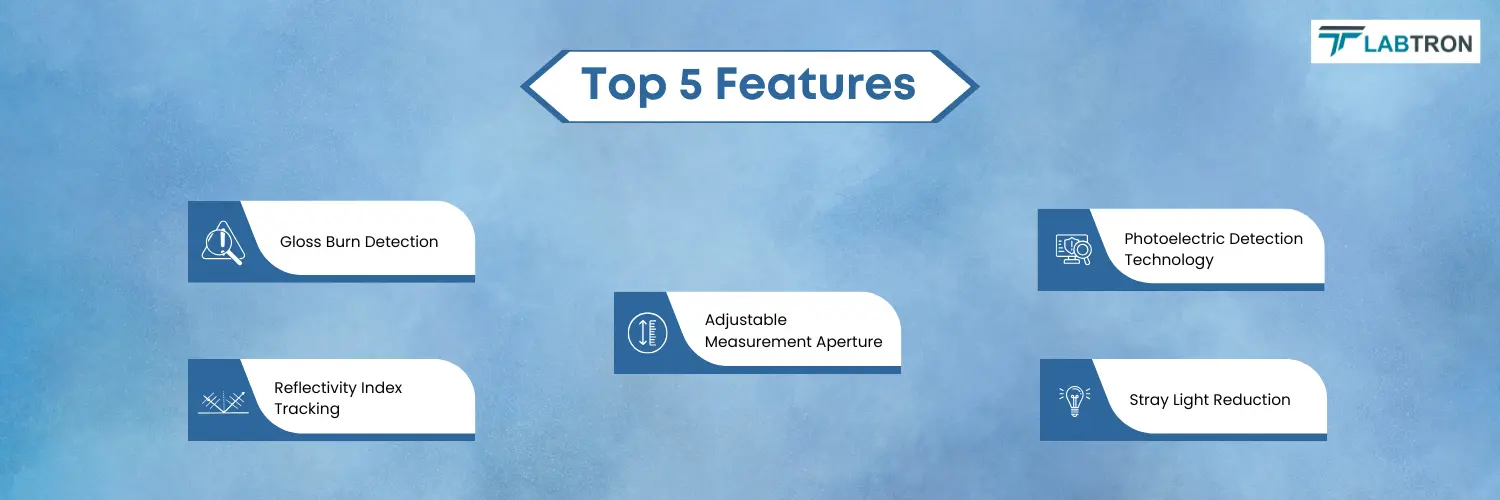
Gloss Burn Detection
Reflectivity Index Tracking
Adjustable Measurement Aperture
Photoelectric Detection Technology
Stray Light Reduction
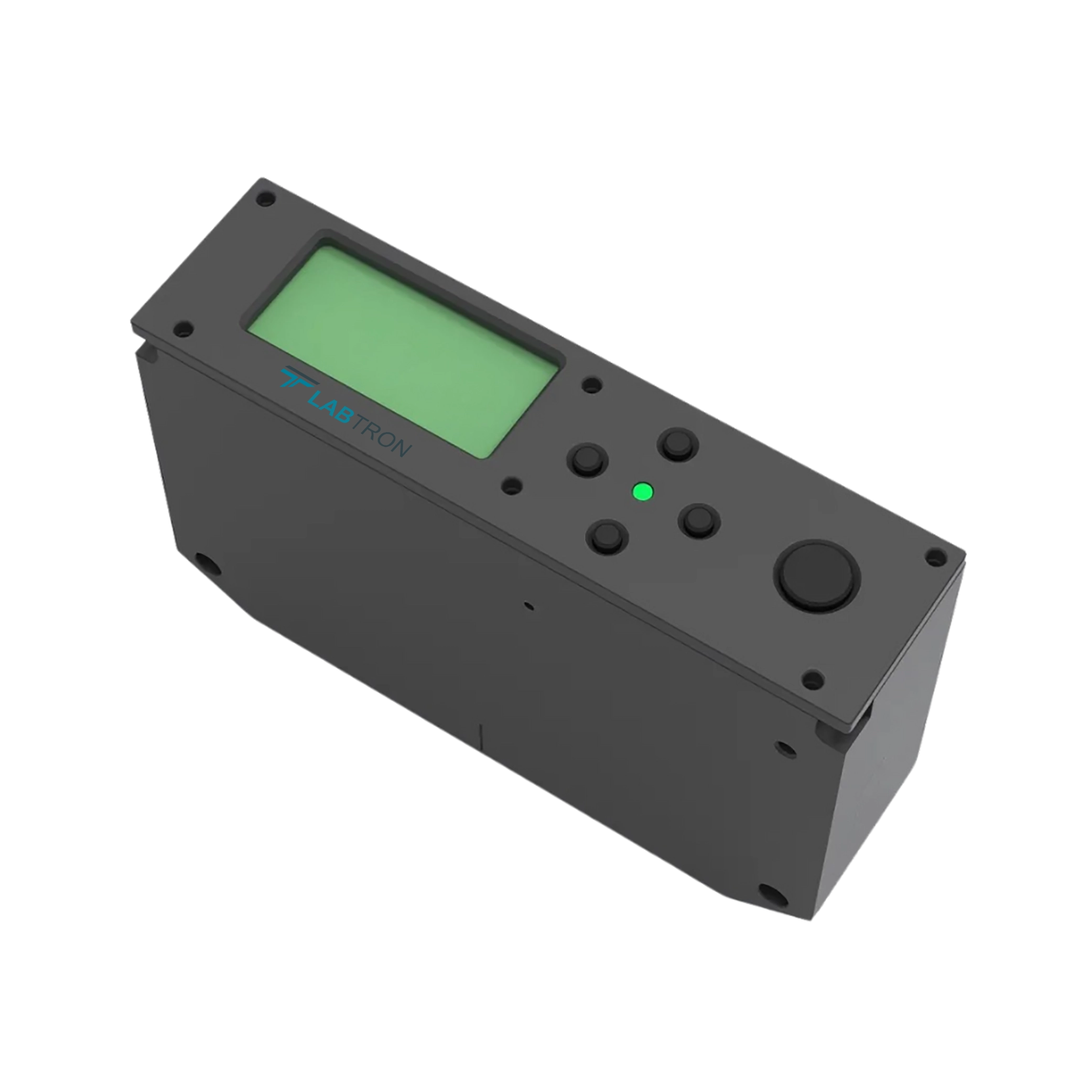
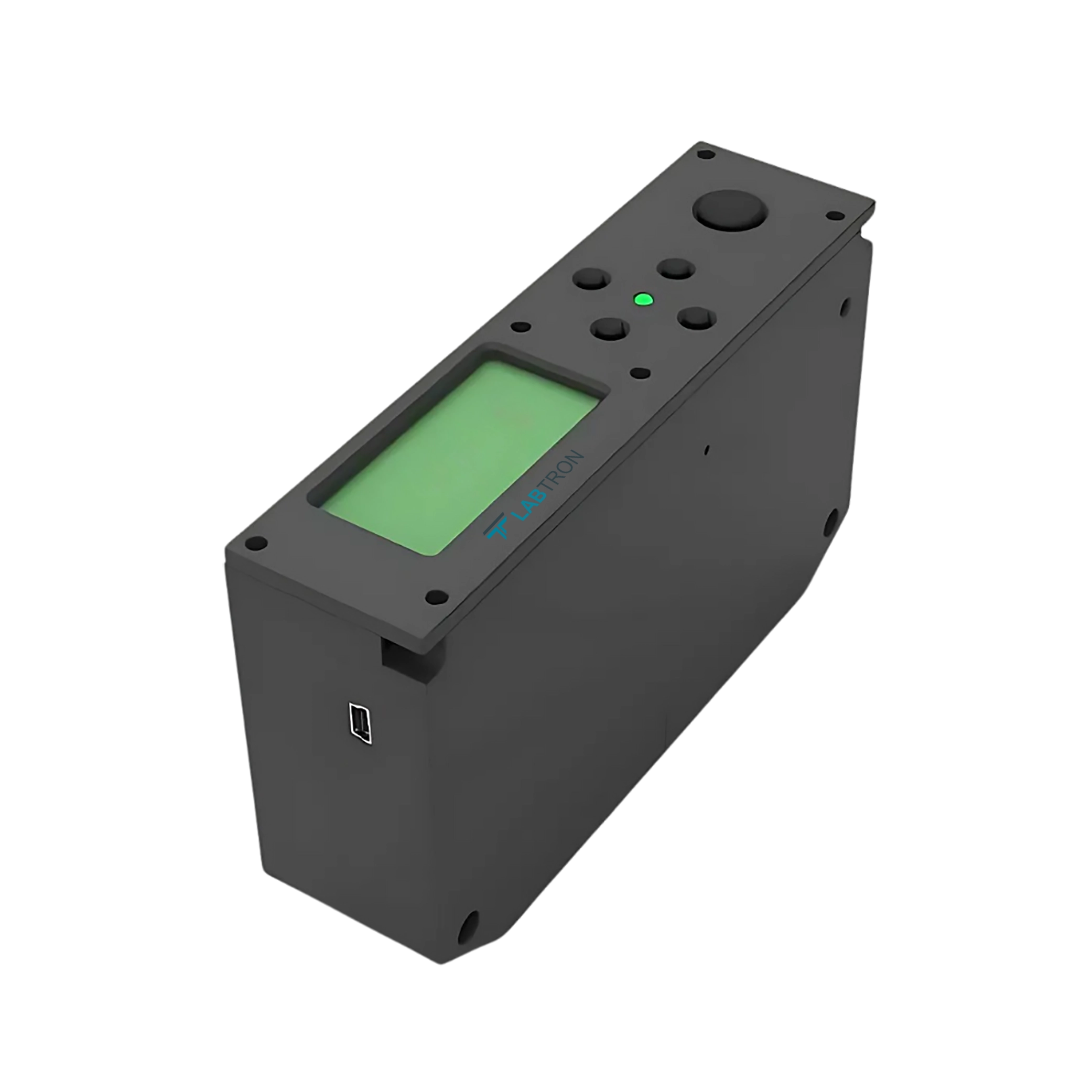
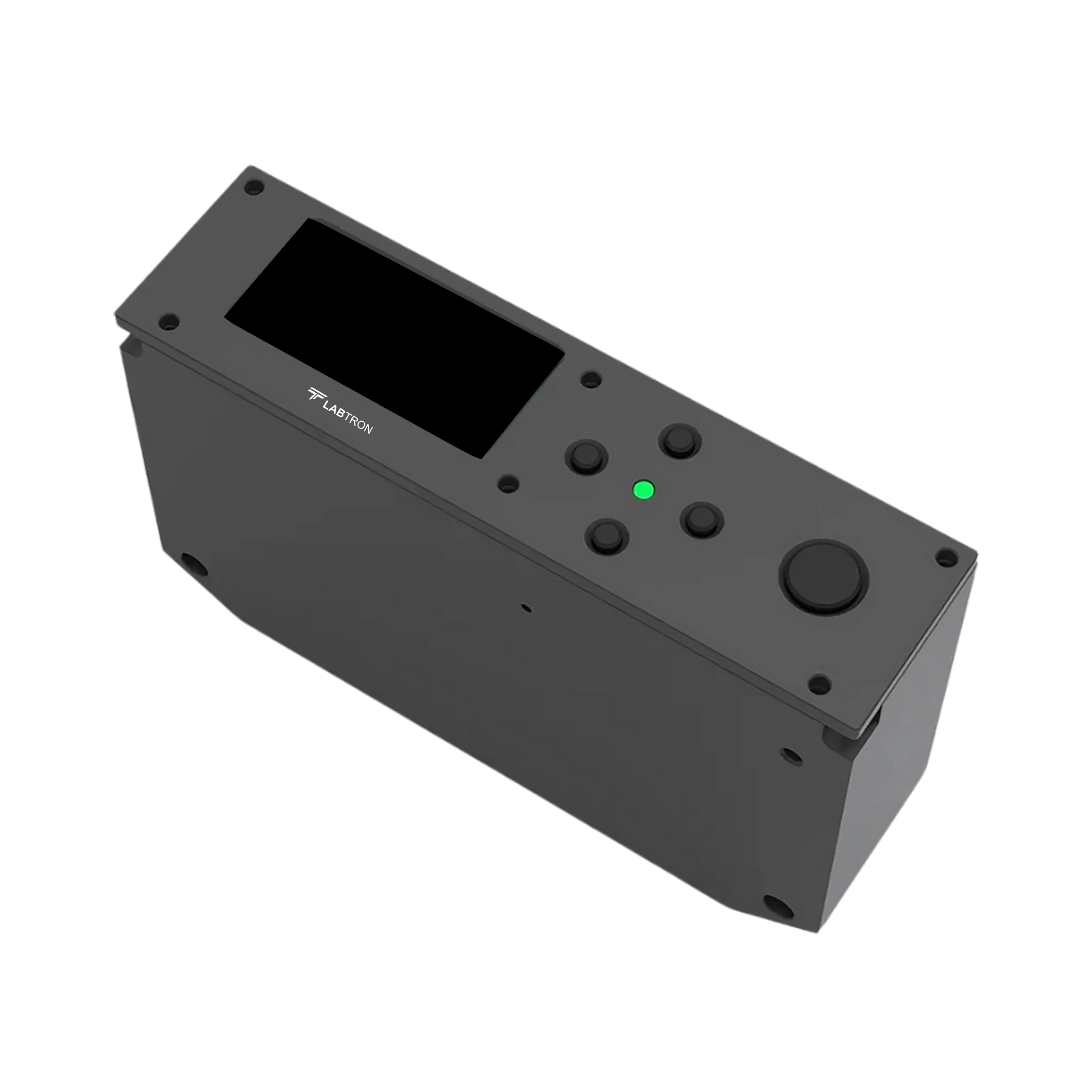
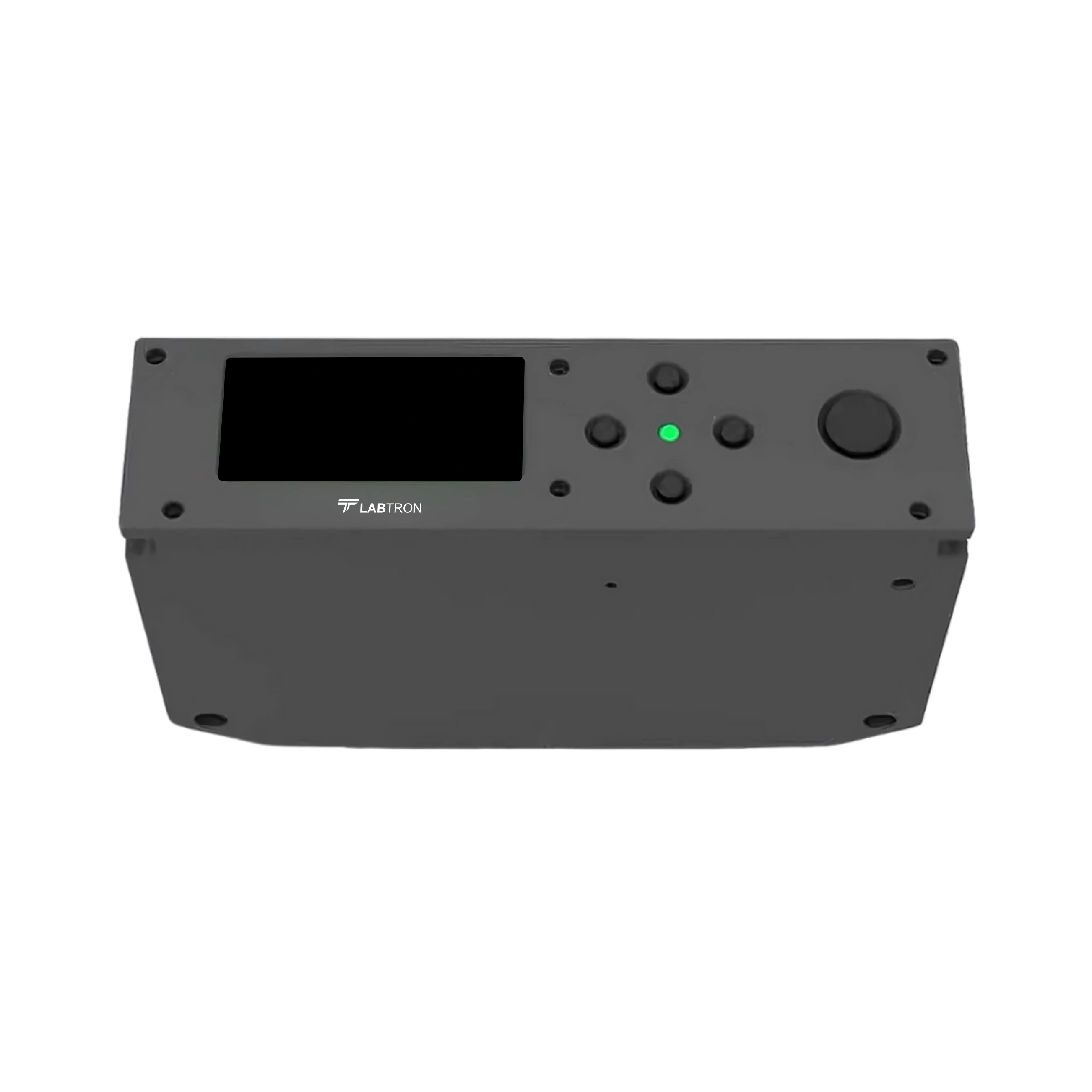
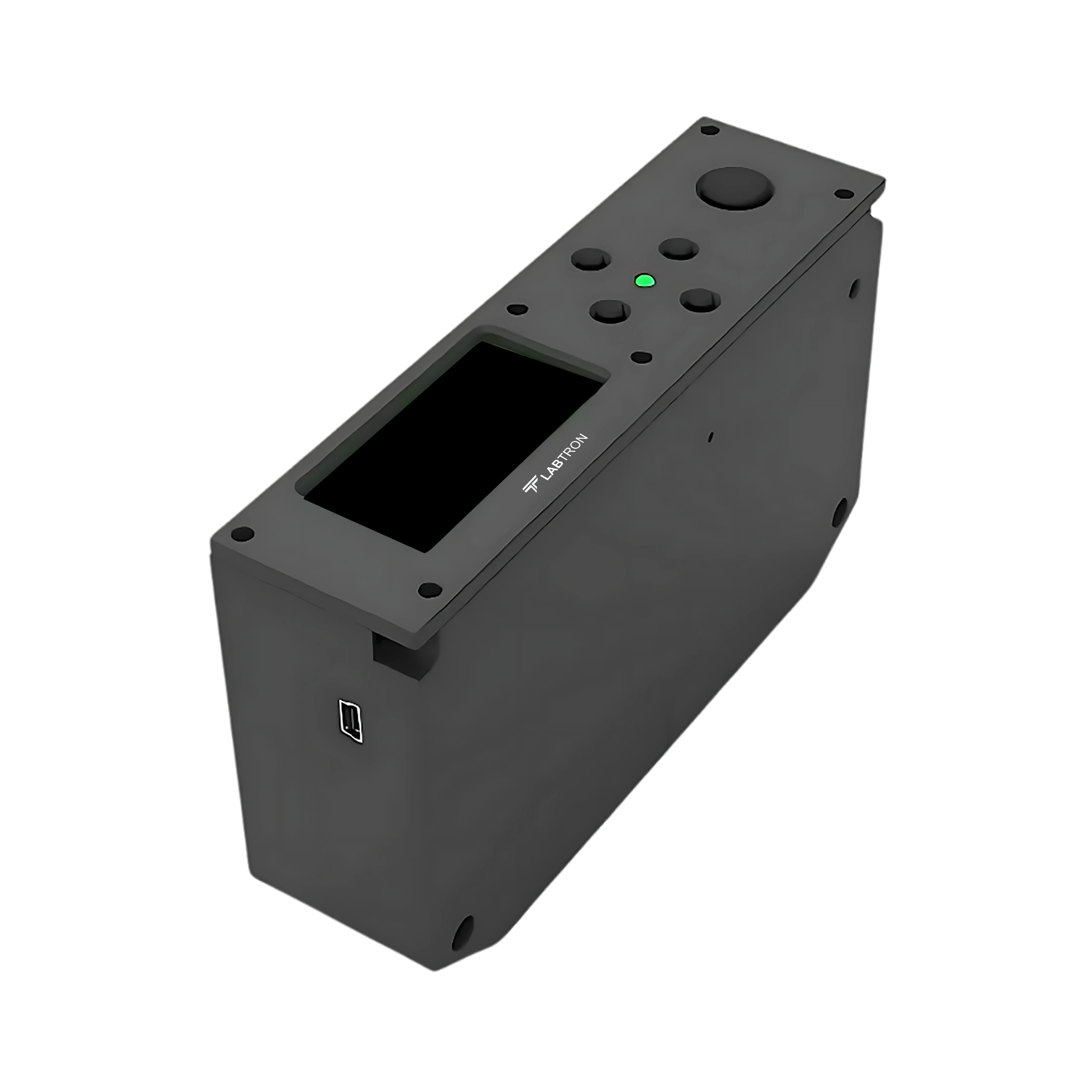
Benchtop Gloss Meter LGBM-A17 is a laboratory testing instrument that provides reliable and repeatable measurements for surface analysis. It plays a key role in ceramics and building material for testing glaze consistency and improving material quality.
Accessories Name | Quantity |
Calibration Plate | 1 |
Calibration Bracket | 1 |
Download catalog for
Benchtop Gloss Meter LBGM-A17 Catalog
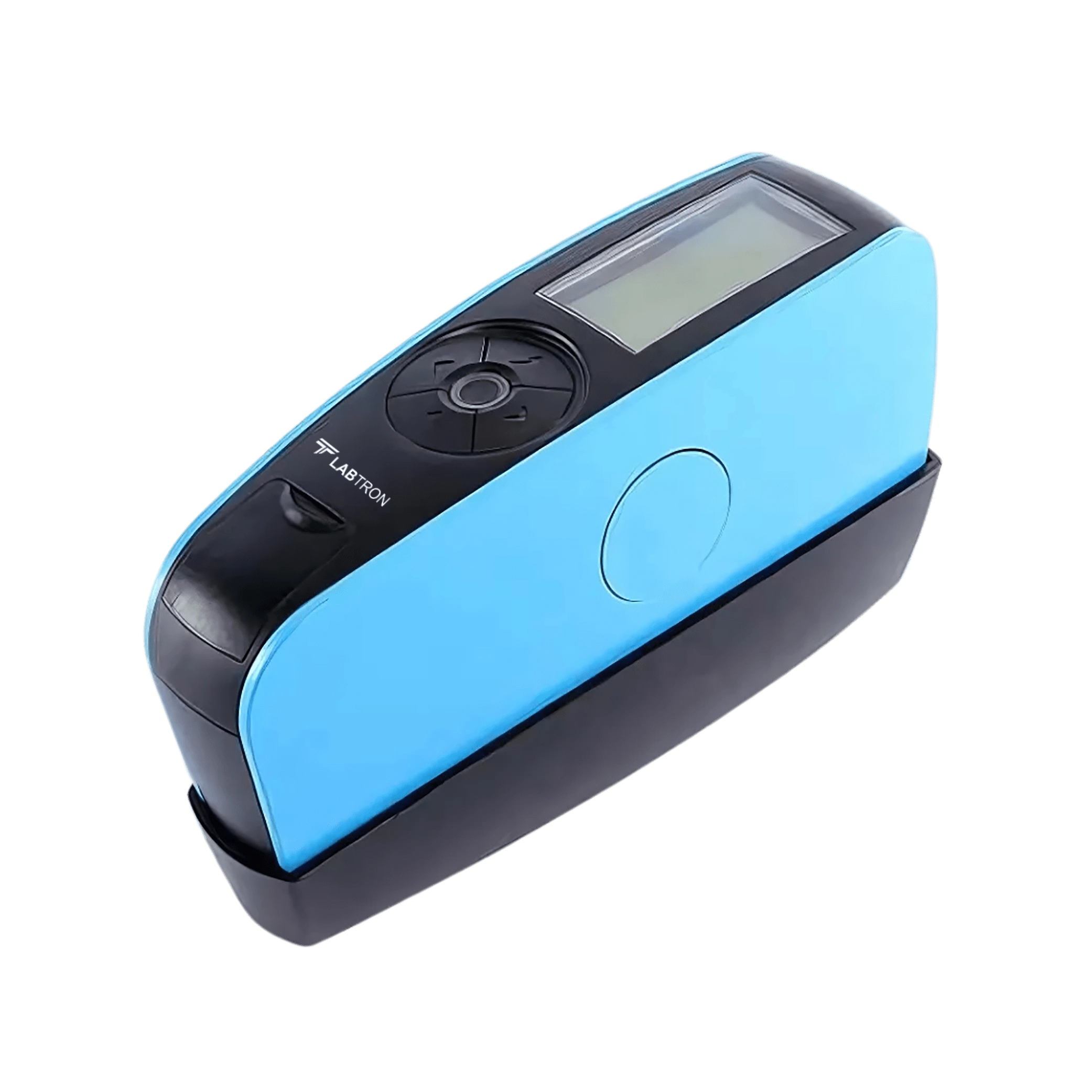
Labtron Gloss Meter measures gloss at different angles for a wide measurement range. They provide precise gloss readings on various surfaces. Their compact design features a user-friendly interface and a high-resolution display. They include built-in memory with USB or Bluetooth data transfer. These meters come with calibration standards for accuracy and consistency. Our gloss meters are ideal for industries like automotive, paint, plastics, and coatings.


Labtron’s benchtop gloss meter can effectively measure surfaces with mixed gloss levels by capturing readings at different points across the surface. It provides either an average gloss value or individual measurements for specific areas, helping assess the gloss variation. For surfaces with a combination of matte and glossy regions, the meter adjusts the measurement based on the angle of incidence and reflective properties of each section. By taking multiple readings, it allows manufacturers to understand how the gloss varies across the material, helping make necessary adjustments to uniform the finish or correct inconsistencies.
Labtron’s benchtop gloss meters can indeed be used for continuous gloss monitoring in production environments, especially when integrated into automated quality control systems. By capturing real-time gloss measurements as products move through different stages of production, manufacturers can instantly detect any variations in gloss levels. Continuous monitoring ensures that products remain consistent throughout the process, and any issues with coating application or surface finishing can be addressed immediately. This not only improves product quality but also enhances operational efficiency by reducing waste, ensuring that only products with the correct gloss finish make it to the final stages of production.
Yes, benchtop gloss meters are highly effective for measuring gloss on coated surfaces, including metals and plastics. These surfaces often have protective coatings or finish that require precise gloss measurement to ensure uniformity and quality. A gloss meter measures how light is reflected from the surface, providing valuable data on the gloss level of the coating. Whether it's a metal part with a paint finish or a plastic component with a glossy coating, a gloss meter ensures that the finish meets the desired aesthetic or performance specifications. This makes gloss meters essential in industries where coating quality directly affects the final product's appearance and functionality.
Yes, Labtron’s benchtop gloss meters are widely used to assess the finish quality of printing inks on packaging materials like cardboard, plastic films, or labels. Different inks and coatings produce varying gloss levels, which affect the product’s visual appeal and brand perception. Gloss meters help verify that the applied ink matches the intended gloss specification—be it matte, satin, or high-gloss. In packaging production, consistent gloss ensures uniformity across batches and enhances the perceived quality of the final product. Regular gloss monitoring allows print and packaging manufacturers to maintain strict aesthetic standards and catch coating issues early.
Labtron supplies premium Benchtop Gloss Meter. The recommended recalibration frequency for a benchtop gloss meter depends on its usage intensity and the manufacturer’s guidelines, but typically it's advised every 6 to 12 months. Frequent users or those in critical industries may opt for quarterly calibration to maintain the highest accuracy. Recalibration ensures the meter maintains alignment with standard gloss reference tiles and compensates for sensor drift or light source wear over time. Many gloss meters also include a built-in calibration check feature, alerting users when recalibration is necessary. Regular calibration is essential to ensure data consistency, especially when measurements impact product quality or compliance.
Post your question?
Our experts are here to help!
Labtron Equipment Ltd., Quatro House, Lyon Way, Camberley, Surrey GU16 7ER United Kingdom
Email: info@labtron.com Whatsapp: +44 73 4441 2688 Phone: +44 2080 043608