info@labtron.com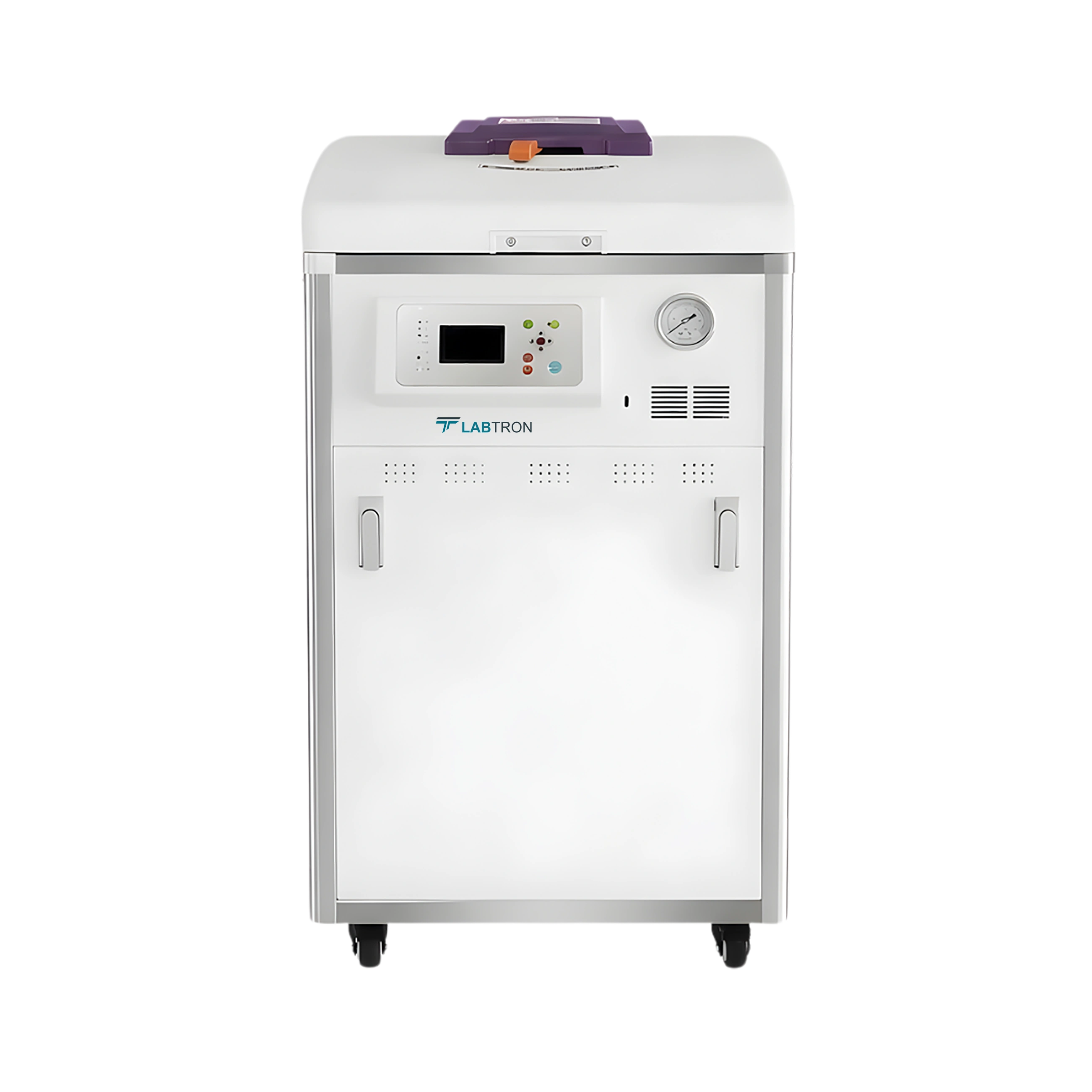

| Volume of Chamber | 80 L |
| Chamber thickness | 2 mm |
| Working temperature | 50 °C to 134 °C |
| Working pressure | 0.217 MPa |
| Working environment | 5 °C to 45°C |
| Relative humidity | 10% to 85% |
| Time setting range | 0 to 99h |
| Rated power | 3500W |
| Power supply | 220V, 50/60Hz |
| Dimension | 570 × 690 × 1020 mm |
| Net weight | 108 Kg |
| Gross weight | 112 Kg |
Rapid Cooling System
One-Touch Operation
Flexible Sterilization Programs
Energy Efficient Heating System
Comfort-Oriented Design
Our autoclave sterilizes instruments and equipment in forensic labs, space research, herbal medicine, aquaculture, archaeology, wastewater analysis, and military units, ensuring strict hygiene and safety standards in each area.


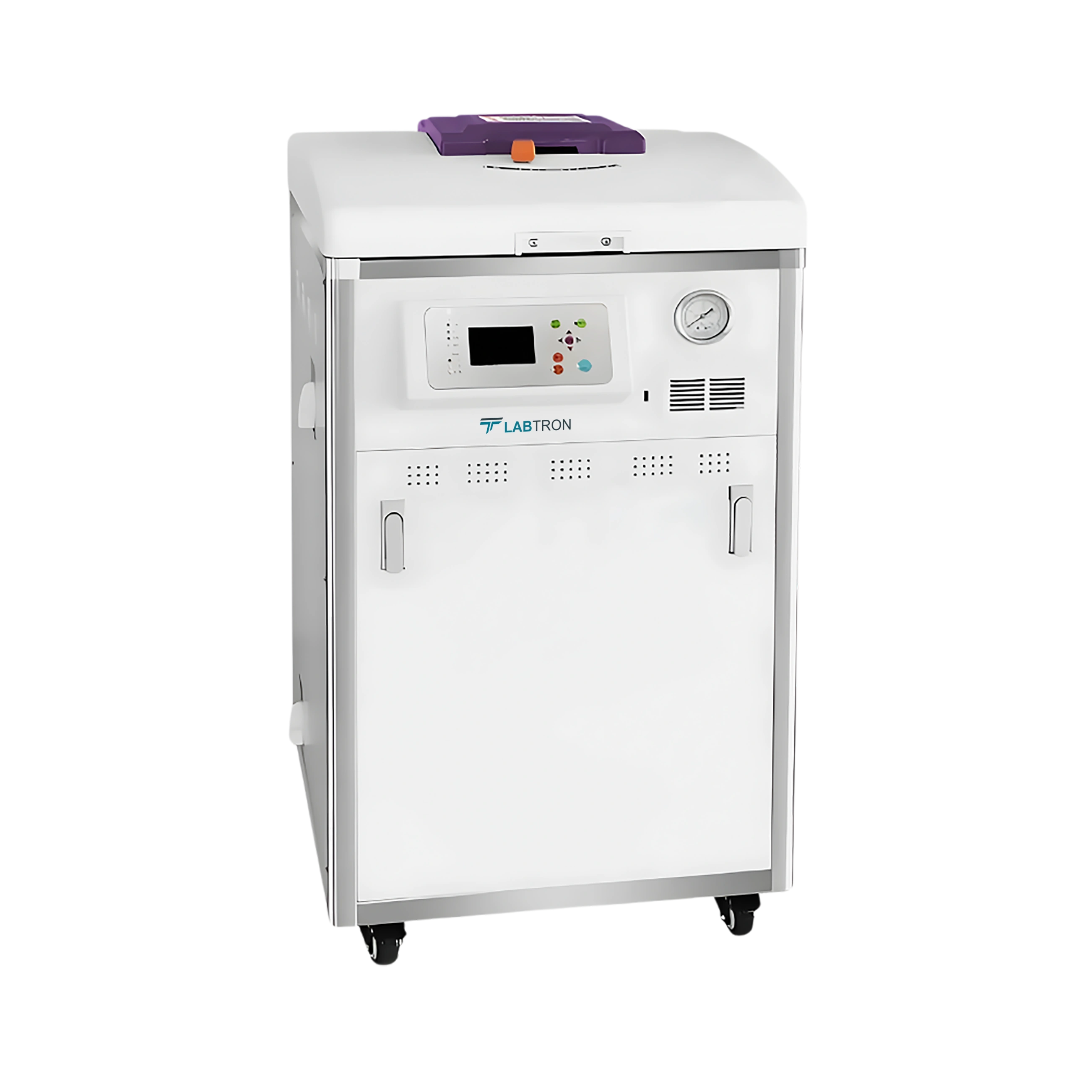
Labtron Vertical Autoclave provide upright design, high pressure steam sterilizer at working temperature of 134℃. Their orientation makes loading and unloading more convenient and efficient. They feature sensors and automatic shut off system enhancing safety by preventing overeating during operation. Their programmable controls enable automatic operation, managing heating, sterilization and cooling phases efficiently. Our Vertical Autoclave effectively eliminates pathogens from glassware and media, ensuring infection control in healthcare settings.
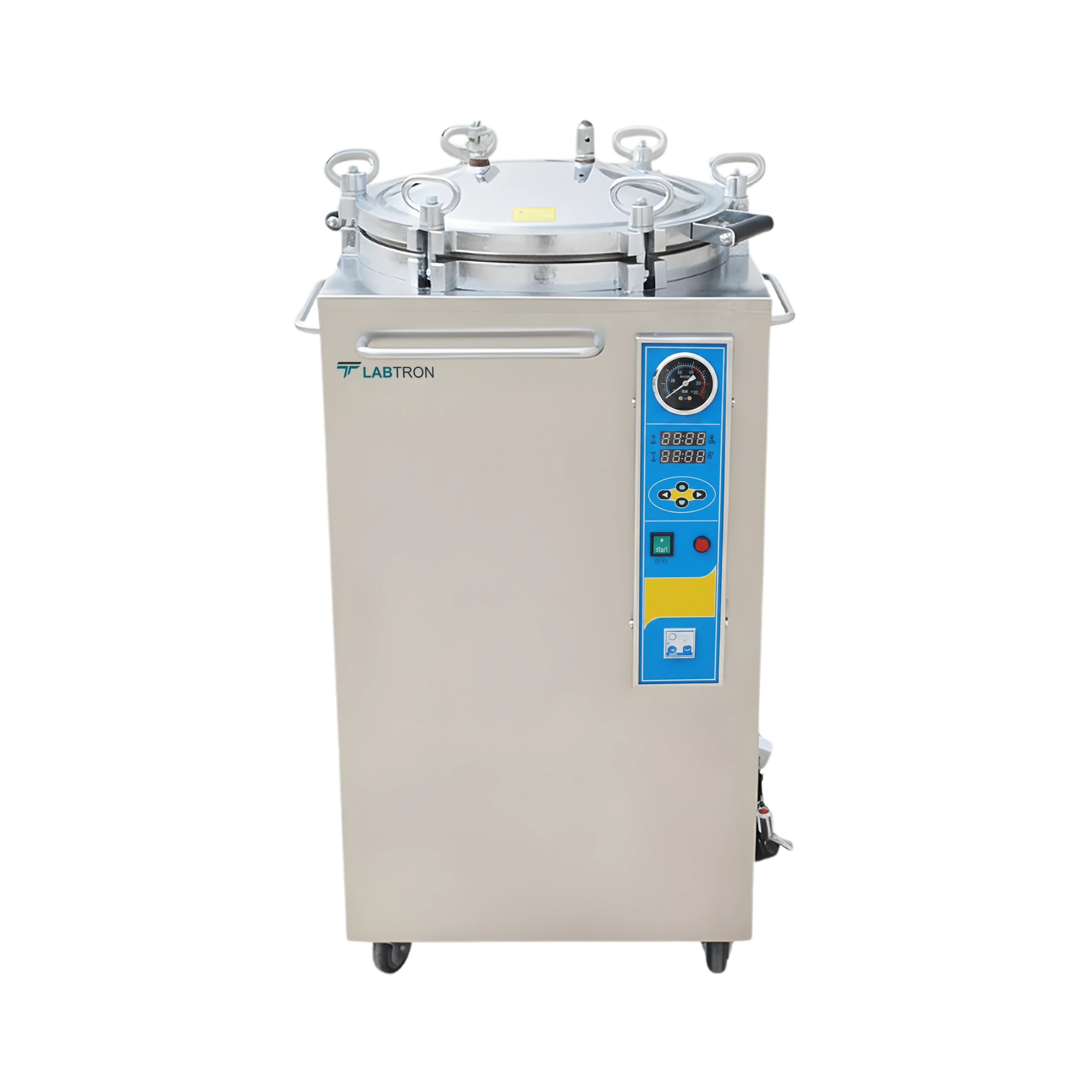
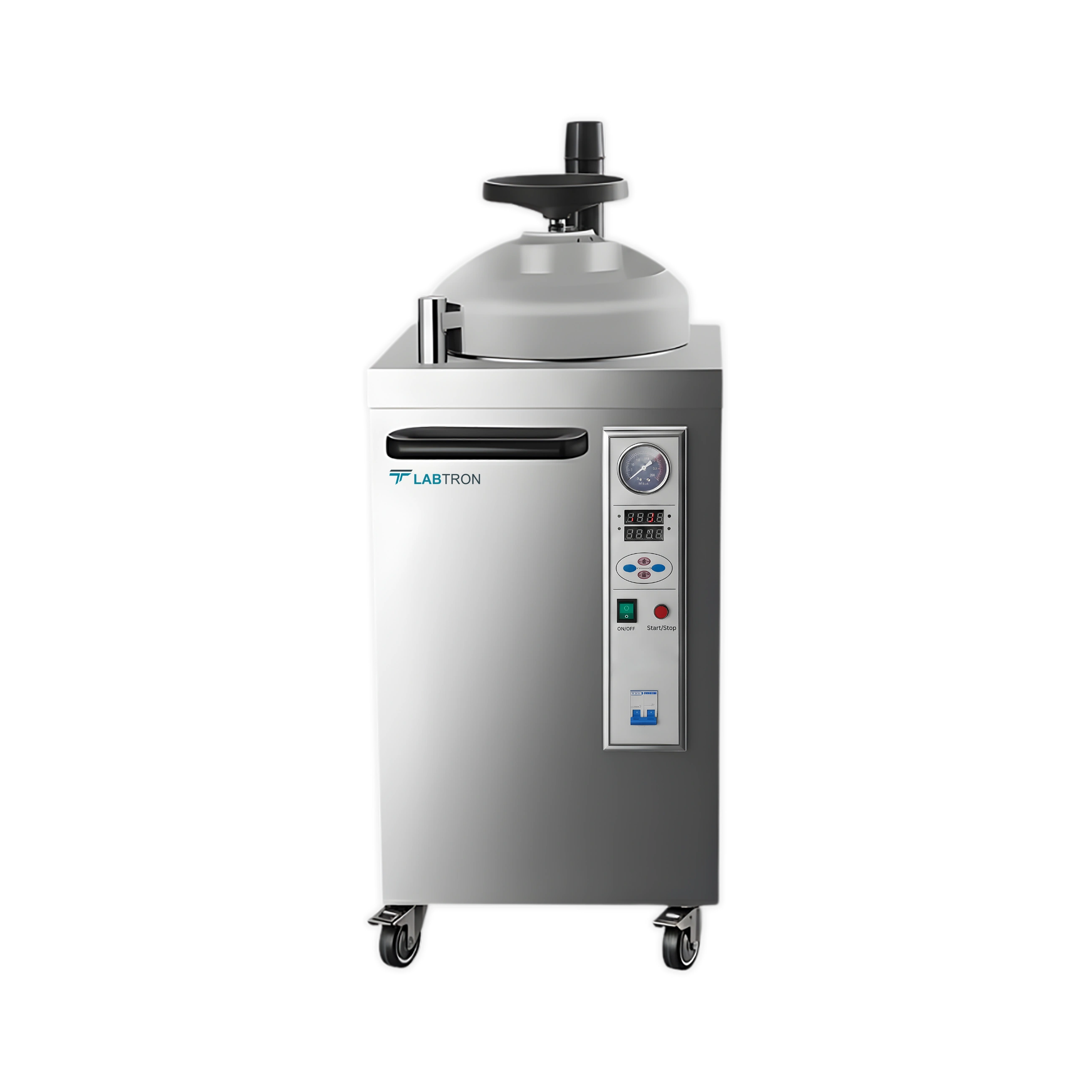
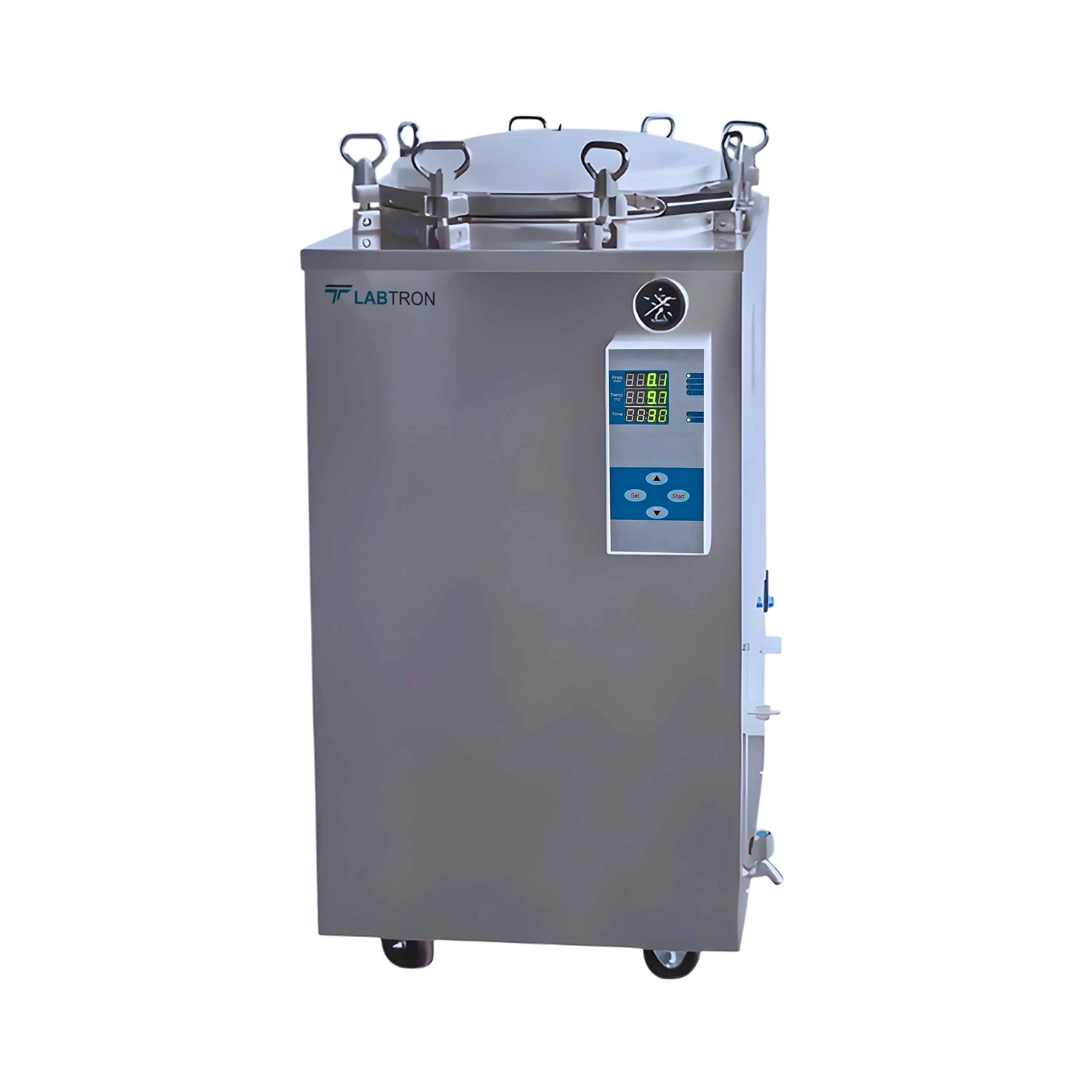
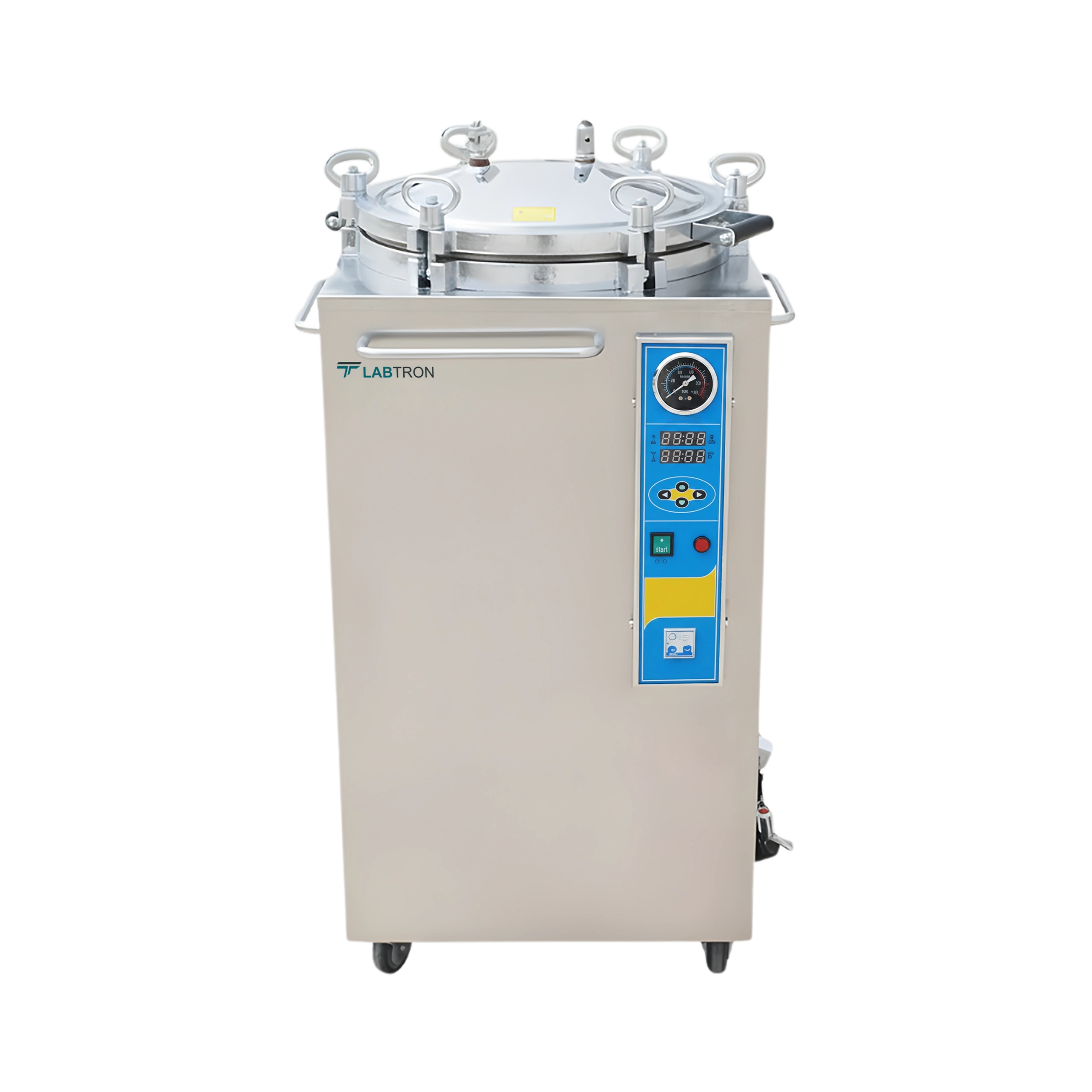

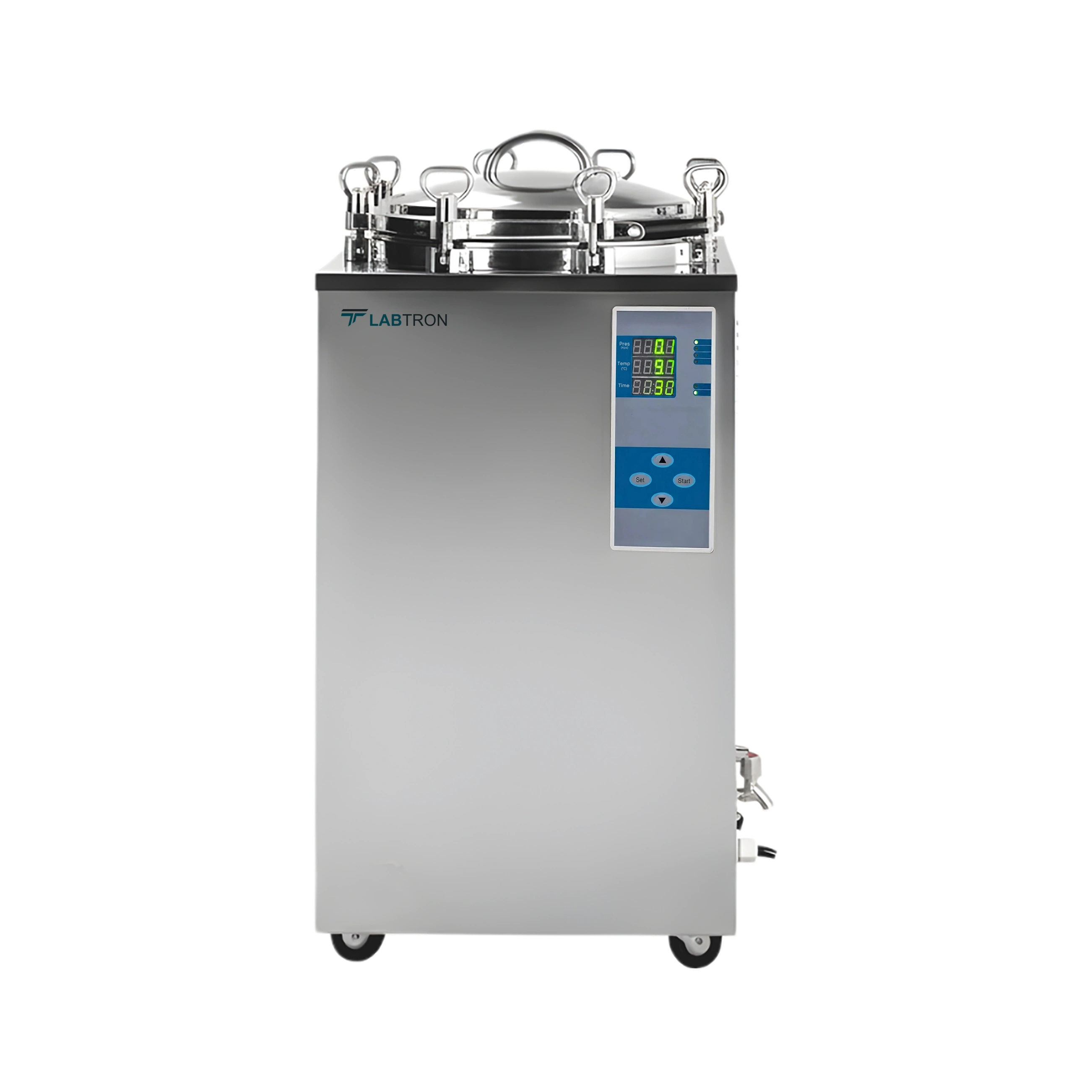
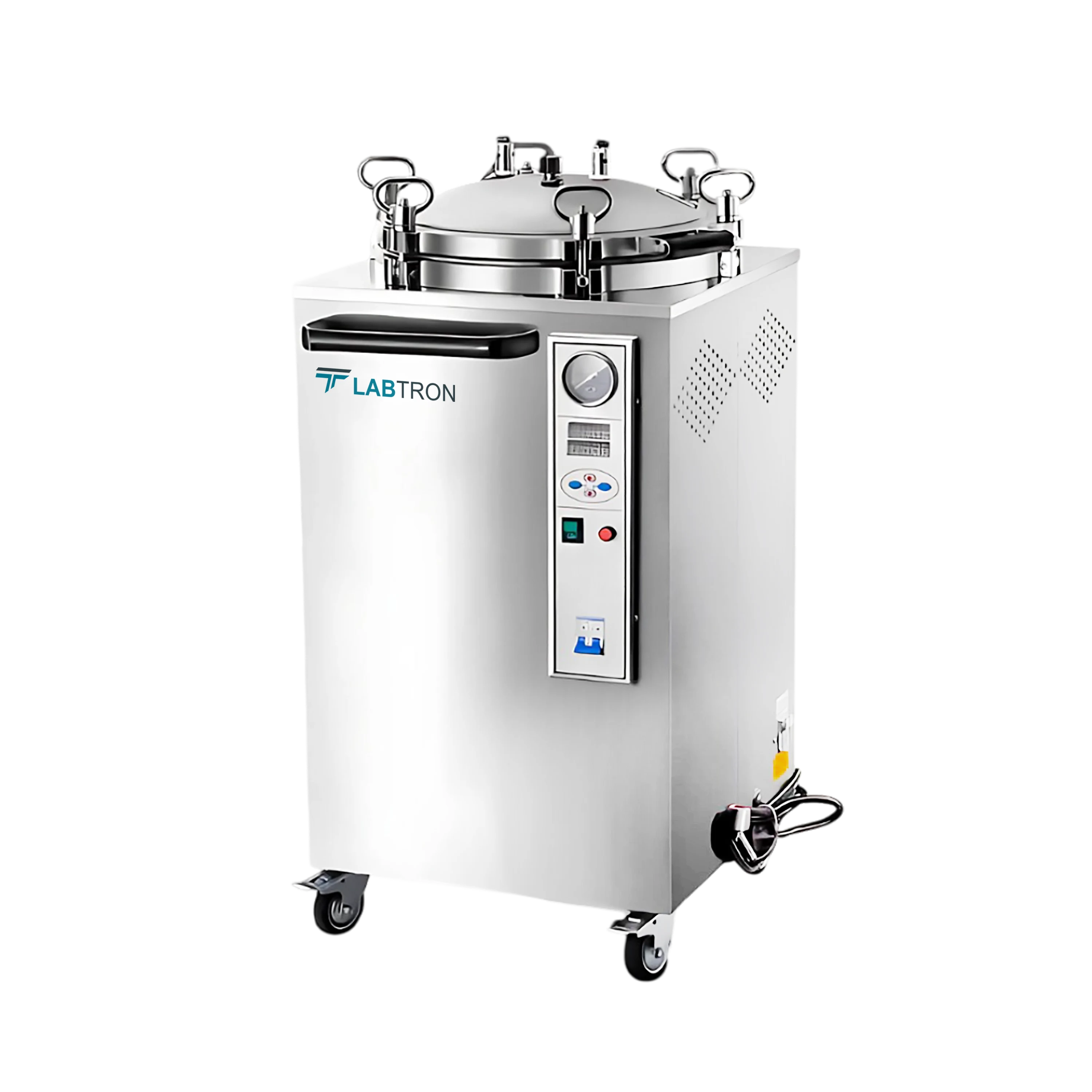
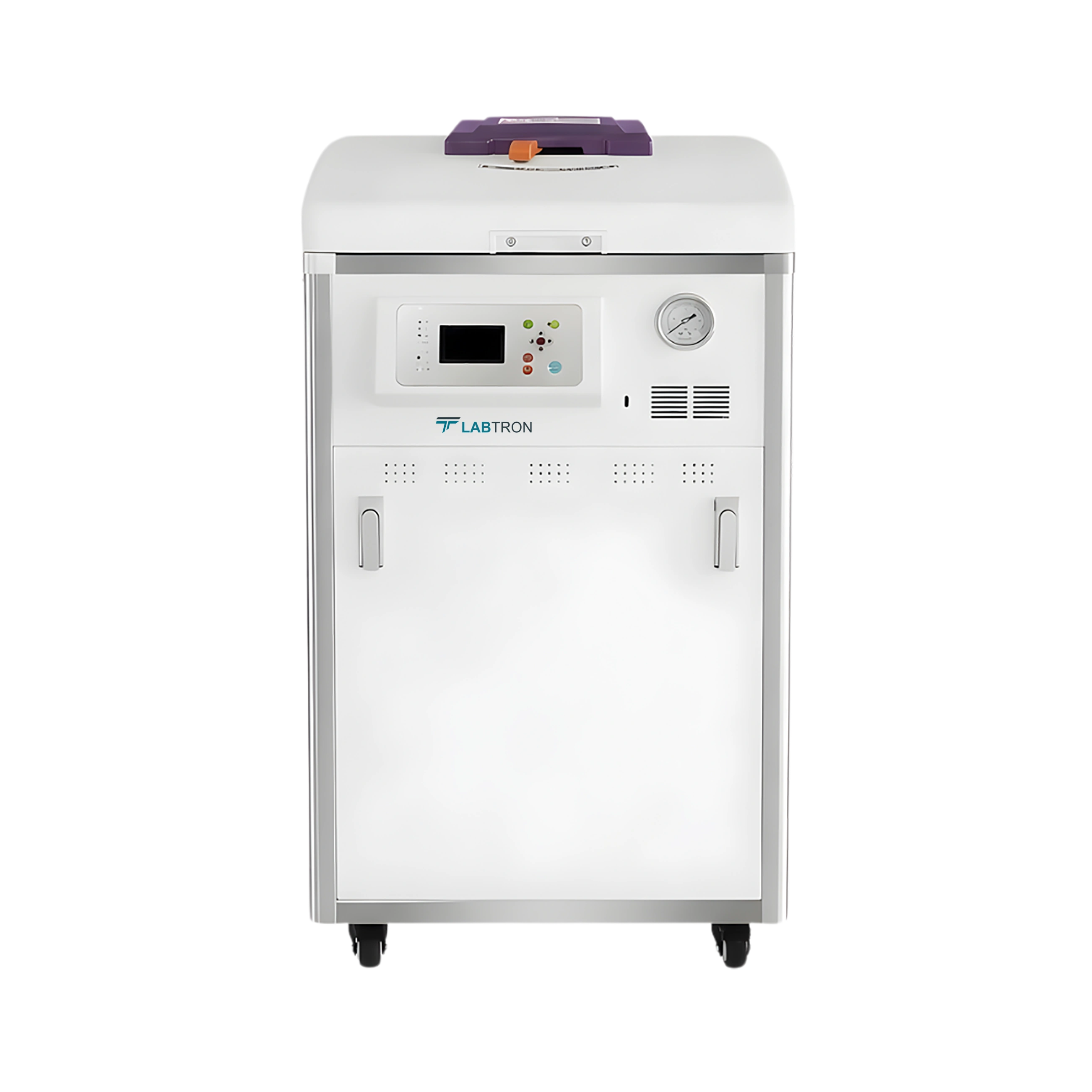
The Vertical Autoclave LVA-E24 uses pressurized saturated steam to effectively eliminate microorganisms. Steam penetrates the chamber’s contents, transferring heat quickly and evenly to destroy bacteria, viruses, fungi, and spores. Operating at temperatures typically between 121°C and 134°C, combined with pressure, it achieves deep sterilization beyond surface-level cleaning. This moist heat denatures microbial proteins and disrupts cellular membranes, ensuring thorough sterilization. The autoclave maintains these conditions for a preset duration to guarantee consistent and reliable sterilization results.
The Vertical Autoclave LVA-E24 includes multiple safety features designed to protect users and the equipment. It has a lid interlock system that prevents the door from opening when the chamber is pressurized, ensuring safe operation. Pressure relief valves are incorporated to protect against dangerous over-pressurization. Temperature sensors constantly monitor heating to avoid overheating, and the unit includes automatic shutdown and alarm systems to alert users of malfunctions or cycle completion. These safety mechanisms comply with stringent industry standards, providing secure and dependable performance.
Sterilization cycles in the Vertical Autoclave LVA-E24 are monitored through advanced sensors that continuously track temperature, pressure, and time during operation. Many models feature data logging to record cycle parameters, which supports quality control and regulatory compliance. Biological and chemical indicators can be used alongside to verify the efficacy of microbial kill rates. The autoclave’s microcomputer system issues alerts if any monitored parameter falls outside acceptable limits. This multi-tiered monitoring ensures each sterilization cycle meets rigorous safety and effectiveness standards.
Inside the Vertical Autoclave LVA-E24, pressure increases the boiling point of water, allowing steam to reach higher temperatures necessary for sterilization. At typical operating pressures around 2 bar (15 psi), steam can exceed 120°C, speeding up microbial destruction. This combination of heat and pressure provides rapid, uniform sterilization even for complex or dense items. Stable pressure maintenance is critical, as fluctuations can reduce sterilization effectiveness. The LVA-E24 uses precise pressure sensors and relief valves to regulate chamber pressure safely and reliably.
To maintain the Vertical Autoclave LVA-E24 efficiently, regular cleaning of the chamber and door seals is necessary to prevent residue buildup and corrosion. Pressure and temperature sensors should be checked and calibrated regularly to ensure accurate cycle control. Safety valves, interlocks, and electronic components require routine inspection to avoid malfunctions. Using distilled or deionized water helps minimize mineral deposits and extends the heating element’s lifespan. Scheduled servicing by qualified technicians can identify wear and potential faults early, ensuring long-term reliable and safe sterilization performance.
Post your question?
Our experts are here to help!
Labtron Equipment Ltd., Quatro House, Lyon Way, Camberley, Surrey GU16 7ER United Kingdom
Email: info@labtron.com Whatsapp: +44 73 4441 2688 Phone: +44 2080 043608