info@labtron.com


| Glass Plate Dimensions | 216 × 110 mm |
| Gel Dimensions | 186 × 95 mm |
| Gel Thickness | 1.0 mm |
| Number of Gels | 1 to 2 pcs |
| Maximum Buffer Volume | 1800 ml |
| Sample Throughput | 25 to 104 |
| Dimension (L × W × H) | 290 × 170 × 155 mm |
| Weight | 3.2 kg |
Leak-Proof Gel Casting
Uniform Band Resolution
Versatile Gel Thickness Options
Easy Lid Opening Mechanism
Efficient Buffer Circulation System
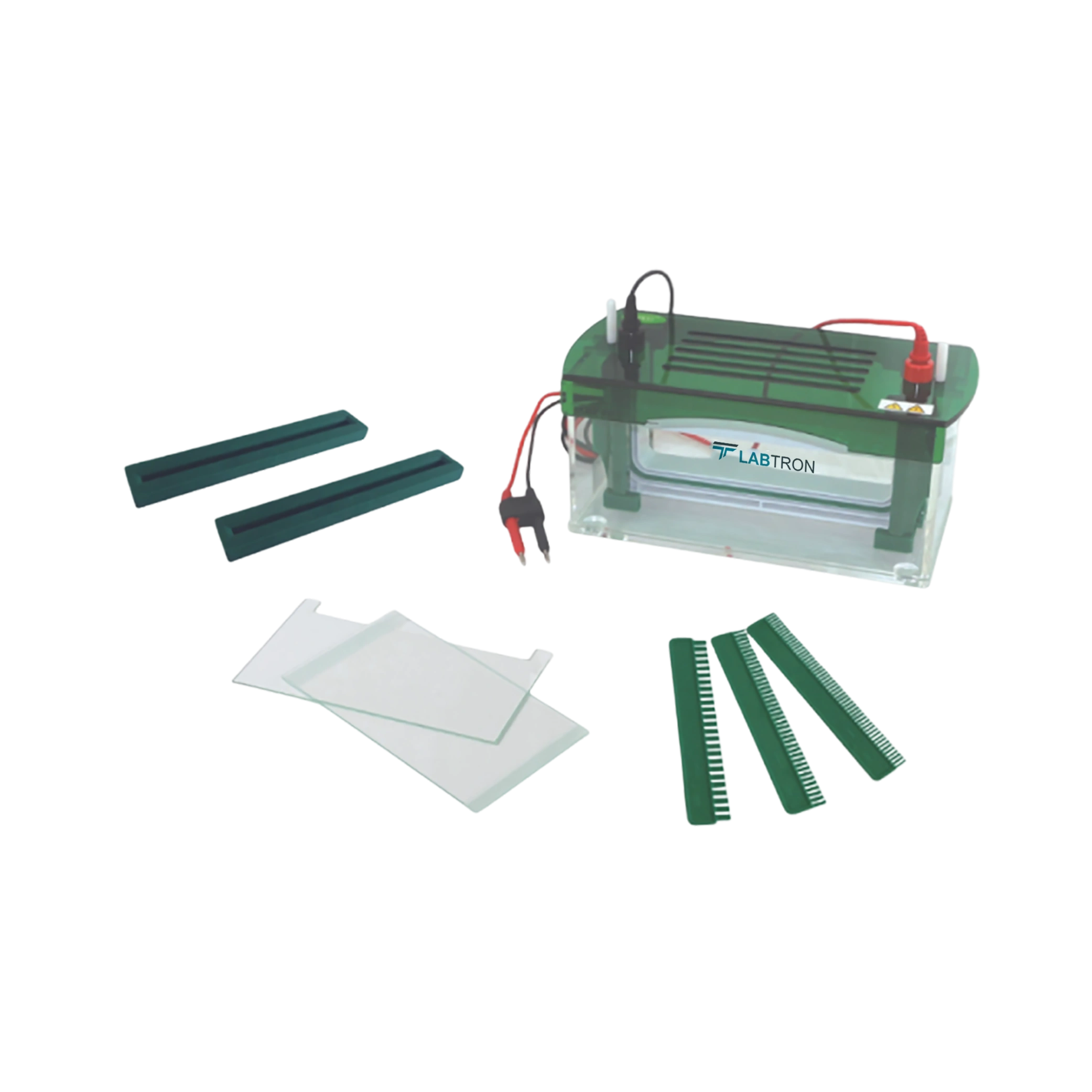
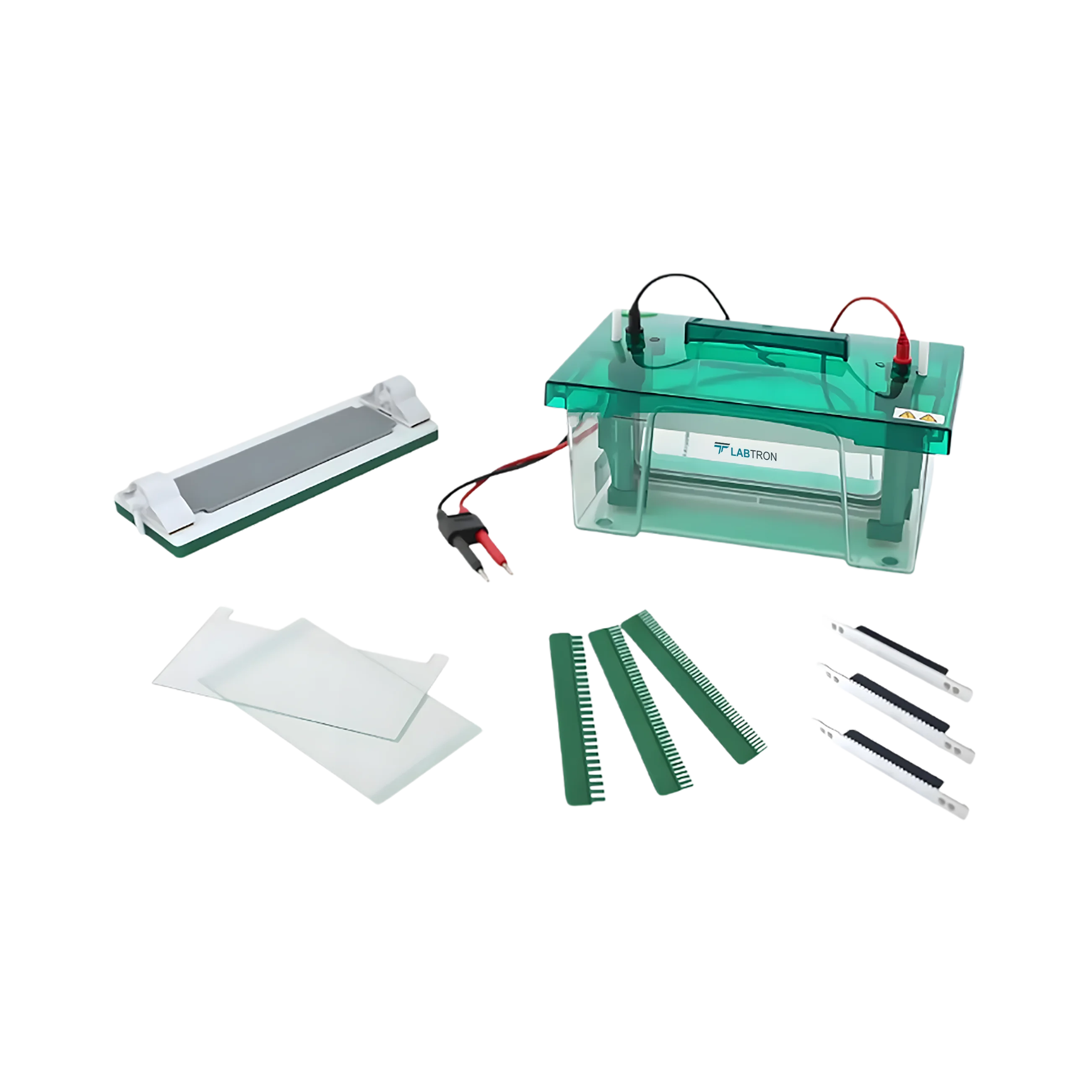
Vertical Electrophoresis System LVES-B12 is used to separate proteins or nucleic acids based on their size and charge through a vertical gel matrix. It is used in molecular biology, and clinical research for protein analysis, DNA/RNA separation, and genetic studies.
Download catalog for
Vertical Electrophoresis System LVES-B12 Catalog
Labtron Vertical Electrophoresis System integrates advanced cooling system for optimal separation of large number of samples. Their buffer tanks maintain pH and conductivity essential for efficient procedure. They feature combs that create wells for sample loading in gel matrix. Their temperature control mechanisms prevent overheating during prolonged runs. Our Vertical Electrophoresis System is preferred for protein separation, western blotting and genetic fingerprinting.




Labtron’s Vertical Electrophoresis System is compatible with both polyacrylamide (PAGE) and agarose gels, depending on the application. Polyacrylamide gels are typically used for protein separation, while agarose gels are more commonly used for DNA and RNA analysis. Labtron provides detailed protocols and recommendations for preparing and loading different gel types, ensuring efficient separation and consistent results.
Yes, Labtron’s Vertical Electrophoresis System supports a variety of running buffers, such as Tris-Glycine, Tris-Tricine, and MES/MOPS, depending on the type of gel and the target molecules. Using the appropriate buffer ensures optimal conductivity and efficient migration of biomolecules. Labtron’s system design minimizes buffer leakage and maintains stable buffer conditions throughout the run, ensuring high-quality separation.
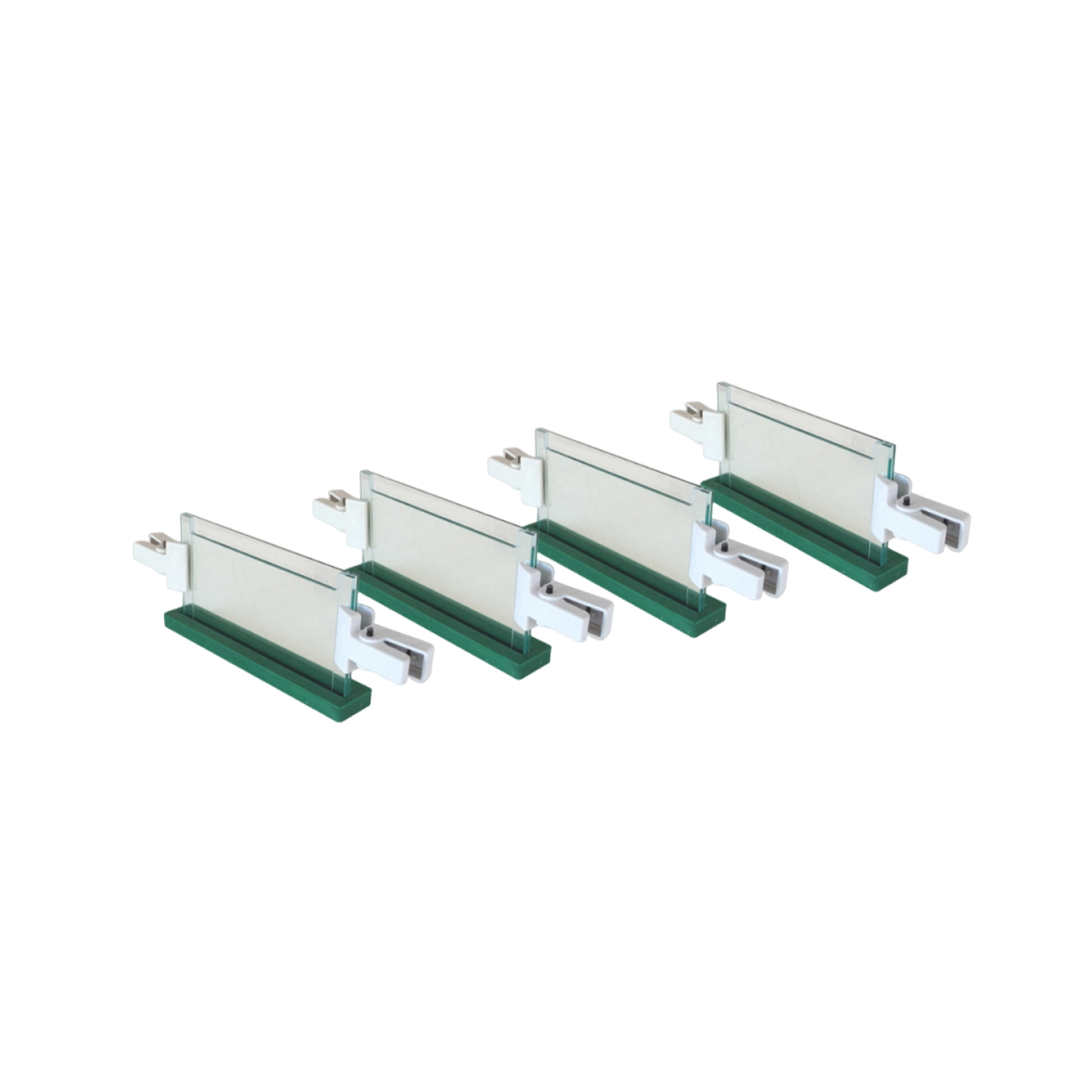
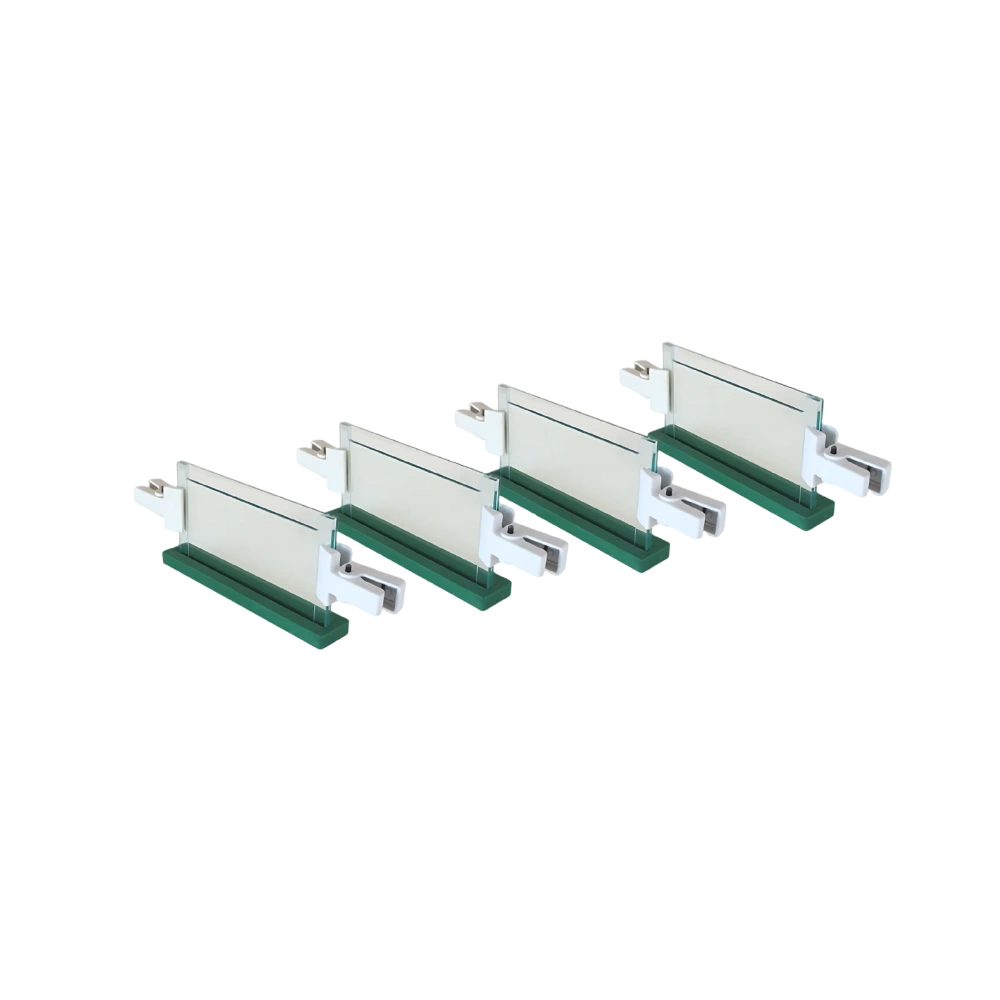
Yes, Labtron’s Vertical Electrophoresis System is designed for in-situ gel casting, allowing researchers to cast gels directly within the unit. The system includes leak-proof gel casting clamps and spacers, ensuring uniform thickness and reducing the risk of gel deformation. Labtron’s system provides consistent polymerization conditions, preventing air bubble formation and ensuring a smooth gel surface. This feature eliminates the need for separate gel casting equipment, streamlining the workflow, and reducing handling errors.
Labtron’s Vertical Electrophoresis System is equipped with advanced safety features to protect both the equipment and the user from overheating and electrical hazards. The system includes automatic shutdown mechanisms that activate if abnormal voltage fluctuations or overheating are detected during the run. Additionally, Labtron has incorporated heat dissipation mechanisms into the system’s design, which maintain a stable running temperature, preventing gel distortion and sample degradation. These safety features enhance the longevity of the equipment while ensuring reliable performance over extended periods.
Yes, Labtron’s Vertical Electrophoresis System is compatible with a wide range of power supplies, providing flexibility in voltage and current settings based on experimental requirements. Labtron recommends using power supplies with adjustable voltage and current limits to achieve optimal results. The system allows users to set the desired voltage for different applications, ranging from low-voltage runs for nucleic acids to higher voltages for protein separations. Labtron’s power supply units ensure steady and consistent power delivery, minimizing fluctuations and ensuring reproducible electrophoresis results.
Yes, Labtron’s Vertical Electrophoresis System supports the use of gradient gels, which offer superior separation for molecules with similar molecular weights. Gradient gels create a gradual change in pore size across the gel, allowing for more effective separation of complex protein or nucleic acid mixtures. Labtron provides protocols and guidelines for preparing and running gradient gels, ensuring accurate separation and high-resolution band patterns. This capability makes the system ideal for applications requiring high sensitivity and precision, such as protein characterization and differential expression analysis.
After completing electrophoresis, gels run using Labtron’s Vertical Electrophoresis System can be stained using a variety of staining methods to visualize separated biomolecules. For protein gels, commonly used stains include Coomassie Brilliant Blue, silver staining, and fluorescent dyes. For nucleic acid gels, ethidium bromide (EtBr), SYBR Green, and GelRed are often used. Labtron provides detailed guidelines for staining protocols and recommends using high-sensitivity stains to enhance visualization. The system ensures clear band resolution, making downstream analysis more accurate and reliable.
Post your question?
Our experts are here to help!
Labtron Equipment Ltd., Quatro House, Lyon Way, Camberley, Surrey GU16 7ER United Kingdom
Email: info@labtron.com Whatsapp: +44 73 4441 2688 Phone: +44 2080 043608