info@labtron.com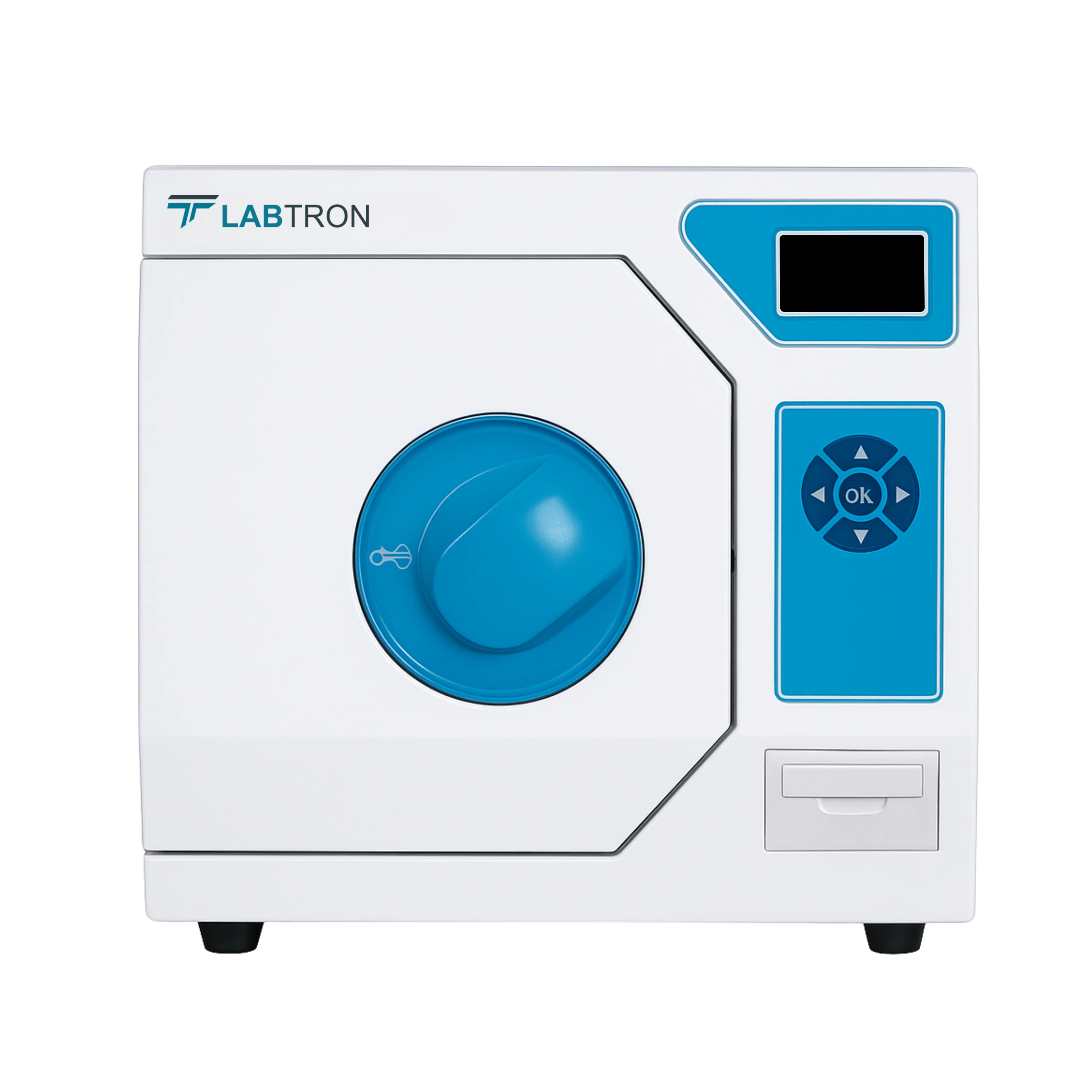

| Capacity | 18 L |
| Chamber Size | Ø250 × 370 mm |
| Working Sterilization Temperature | 134℃ |
| Working Sterilization Pressure | 0.22 Mpa |
| Design Pressure | 0.25 Mpa (2.5 bar) |
| Design Temperature | 139℃ |
| Working Pressure | 0.22 Mpa (2.2 bar) |
| Voltage | 110 V/220 V,60 Hz/50 Hz |
| Power Consumption | 2 kW |
| Outer Dimension (L × W × H) | 480 × 640 × 450 mm |
| Packing Dimension (L × W × H) | 720 × 560 × 510 mm |
| Gross Weight | 49 kg |
| Net Weight | 43 kg |
Efficient Air Release Function
High-Speed Steam Generator
Corrosion-Resistant Steel Tank
Dual-Cycle Temperature Options
Fail-Safe Interlock Technology
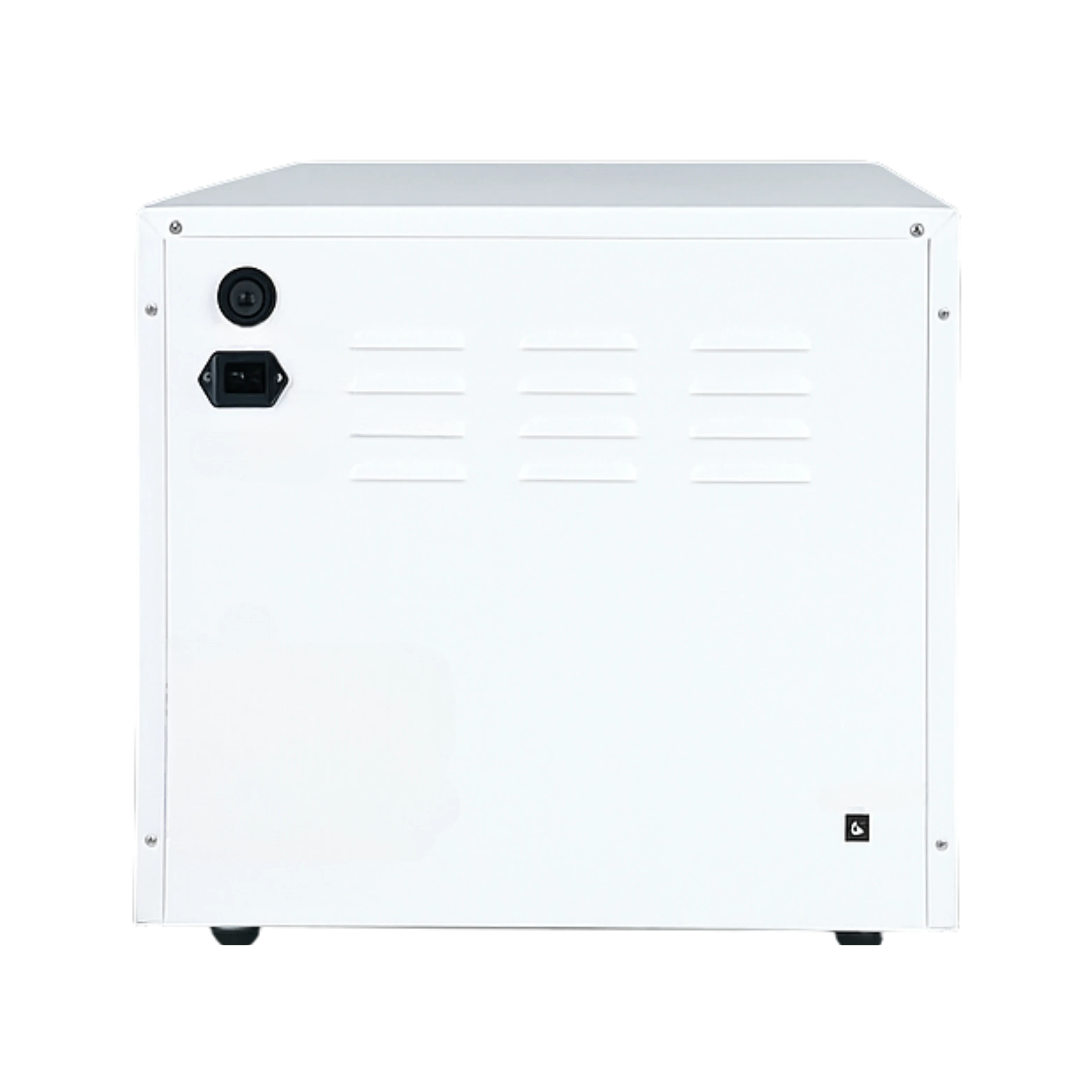
Tabletop Autoclave LTTA-H16 is a compact sterilization unit that uses pressurized steam to disinfect medical and laboratory tools efficiently. It is widely used in clinics, dental offices, and research labs for quick and reliable sterilization of small instruments and glassware.
Download catalog for
Tabletop Autoclave LTTA-H16 Catalog
Available Range :
Tabletop Autoclave LTTA-H15 : 12 L Tabletop Autoclave LTTA-H12 : 18 L Table Top Autoclave LTTA-J10 : 18L Tabletop Autoclave LTTA-A10 : 20 L Tabletop Autoclave LTTA-H13 : 23 L Tabletop Autoclave LTTA-A11 : 24 L Tabletop Autoclave LTTA-J11 : 24L Tabletop Autoclave LTTA-A12 : 35 L Tabletop Autoclave LTTA-K10 : 35L Tabletop Autoclave LTTA-I10 : 45L Tabletop Autoclave LTTA-A13 : 50 L Tabletop Autoclave LTTA-K11 : 50L Tabletop Autoclave LTTA-I11 : 60L Tabletop Autoclave LTTA-H10 : 8 L Tabletop Autoclave LTTA-A14 : 80 LLabtron Table Top Autoclave offer compact sterilizer of 18 L to 50 L that fits easily on workstation. Their effective sterilization is achieved through steam under pressure of 0.22 Mpa. They feature over-temperature monitoring and multiple evaporator controls for enhanced safety. Their quick cycle times significantly enhance workflow efficiency, reducing downtime between procedures. Our Table Top Autoclave is ideal for modest scale sterilization in medical, dental and research labs.


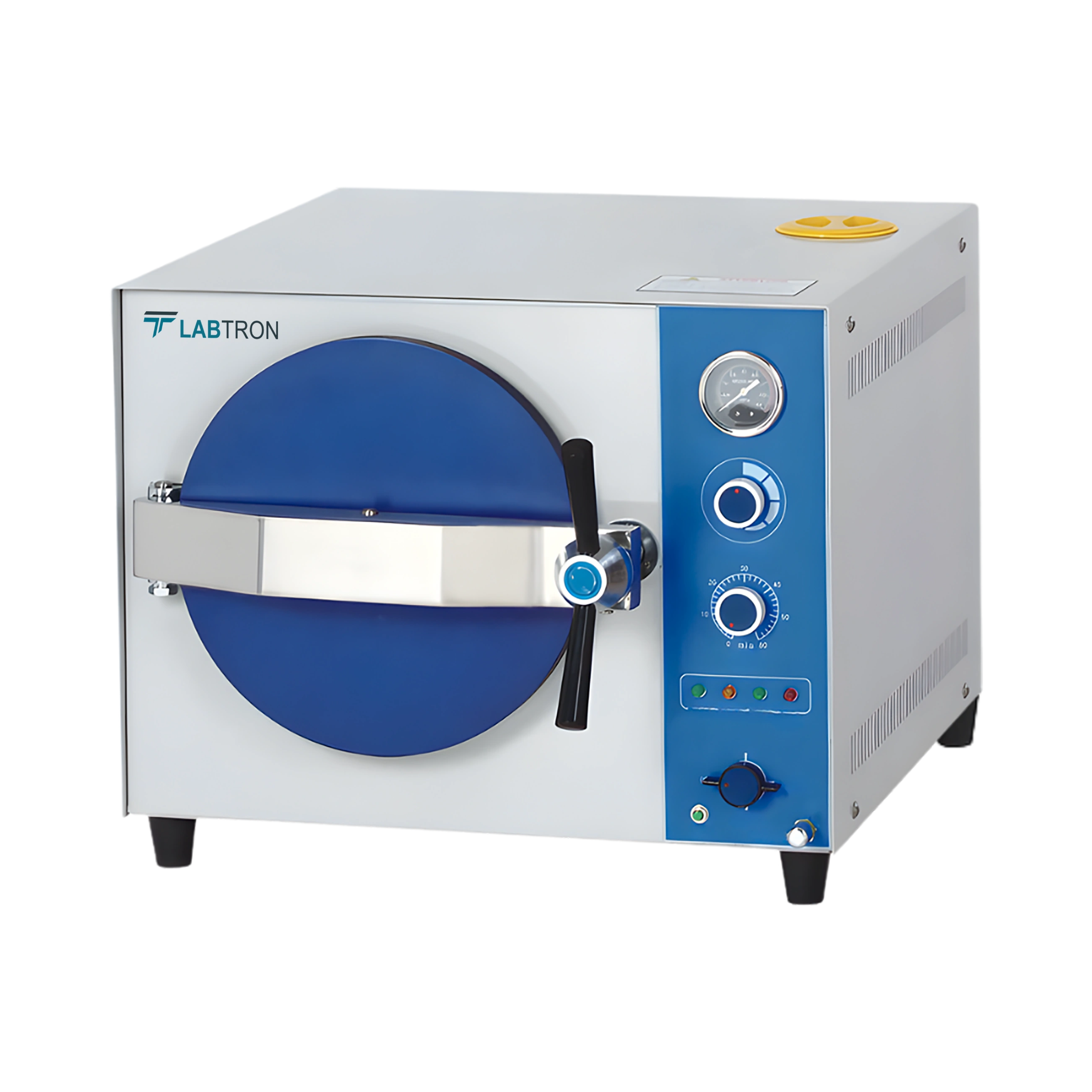

Labtron tabletop autoclaves come with cycle completion indicators, such as audible alarms, digital display messages, and optional printouts that confirm sterilization success. For enhanced validation, Labtron supports the use of biological indicators (BIs) and chemical indicators (CIs), which are placed inside the autoclave during the cycle. These indicators change color or provide microbial growth data to verify whether the necessary conditions for sterilization time, temperature, and pressure were consistently met. Additionally, many Labtron models log cycle parameters like temperature plateau, holding time, and pressure stability, allowing users to review data and ensure that each load meets sterile assurance levels (SAL). This layered approach helps build confidence in sterilization outcomes, particularly for sensitive or high-risk instruments.
Labtron strongly recommends using distilled or deionized water in its tabletop autoclaves to preserve the internal components and ensure consistent sterilization performance. Using untreated tap water can lead to mineral buildup (scale deposits) inside the heating system and steam generator, which over time can affect the autoclave’s efficiency and lead to premature damage. Scale buildup can also obstruct steam pathways, reducing steam penetration and ultimately compromising sterilization outcomes. By using purified water, users can extend the autoclave's service life, maintain sterilization integrity, and reduce maintenance costs. Labtron models even include water quality sensors or alerts to notify the user when improper water is detected, adding another layer of operational safety.
Labtron tabletop autoclaves are widely used in research laboratories for sterilizing culture media, agar plates, pipettes, test tubes, and other borosilicate glassware. With customizable programs, users can set cycles tailored to slow-heating requirements of culture media or choose rapid dry modes for glassware. The autoclave ensures even distribution of saturated steam, preventing heat-sensitive media from degrading. Some Labtron models also support liquid-specific sterilization cycles that include gradual pressure release, ensuring that flasks and containers don’t boil over or crack due to sudden depressurization. This makes them ideal for microbiology, molecular biology, and biotechnology applications, where clean and sterile supplies are essential.
Labtron recommends a few simple but essential routine maintenance steps to maximize the lifespan and performance of its tabletop autoclaves. These include daily chamber cleaning to remove residue, weekly inspection of gaskets for wear or cracks, monthly drainage and cleaning of the water reservoir, and periodic descaling using approved solutions to eliminate mineral buildup. The autoclave should also be run empty with distilled water occasionally to clean internal steam pathways. Labtron provides a maintenance checklist, and some models even display alerts when maintenance is due. By following these steps, users can prevent sterilization failures, avoid sensor malfunctions, and extend the equipment’s operational life with minimal service interruptions.
Labtron tabletop autoclaves can sterilize certain types of autoclavable plastics and polymers, provided they are rated for high-temperature steam sterilization (typically 121–134°C). This includes labware made from polypropylene (PP), PTFE, or polycarbonate (PC) that is specifically labeled as autoclavable. The operator must carefully follow guidelines such as avoiding tightly sealed containers (to prevent bursting), using vented lids, and selecting the appropriate sterilization cycle with controlled heating and cooling. Labtron provides detailed user instructions and cycle recommendations for such materials to prevent deformation or damage. In sensitive research settings, where sterilizing disposable or reusable plasticware is common, Labtron autoclaves offer a safe and effective method when used correctly.
Post your question?
Our experts are here to help!
Labtron Equipment Ltd., Quatro House, Lyon Way, Camberley, Surrey GU16 7ER United Kingdom
Email: info@labtron.com Whatsapp: +44 73 4441 2688 Phone: +44 2080 043608