info@labtron.com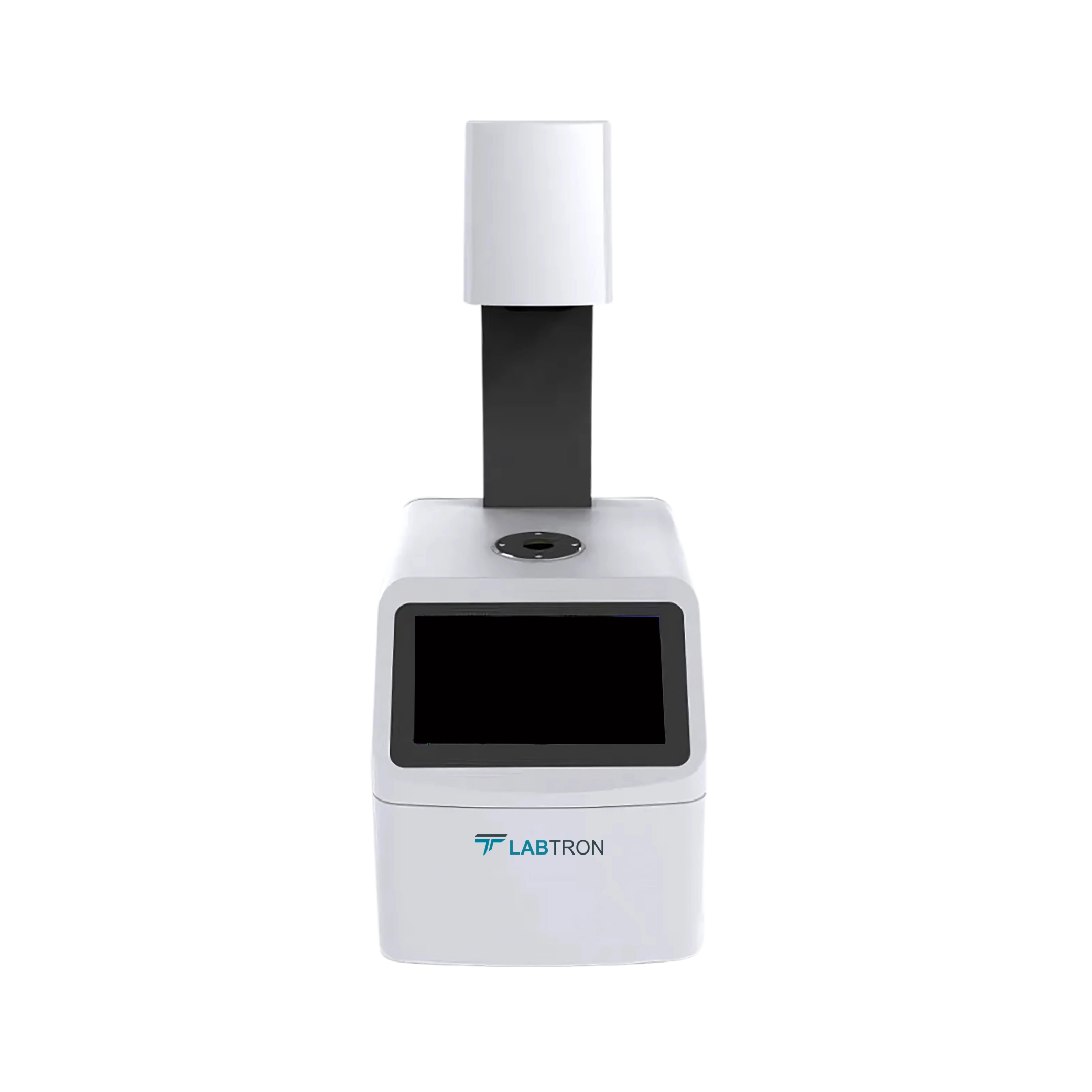

| Measurement Aperture | Φ20mm / Φ15mm / Φ 8mm / Φ4mm |
| Optical Geometry | Transmittance: 0/D (Parallel Light Illumination, Diffuse Viewing) |
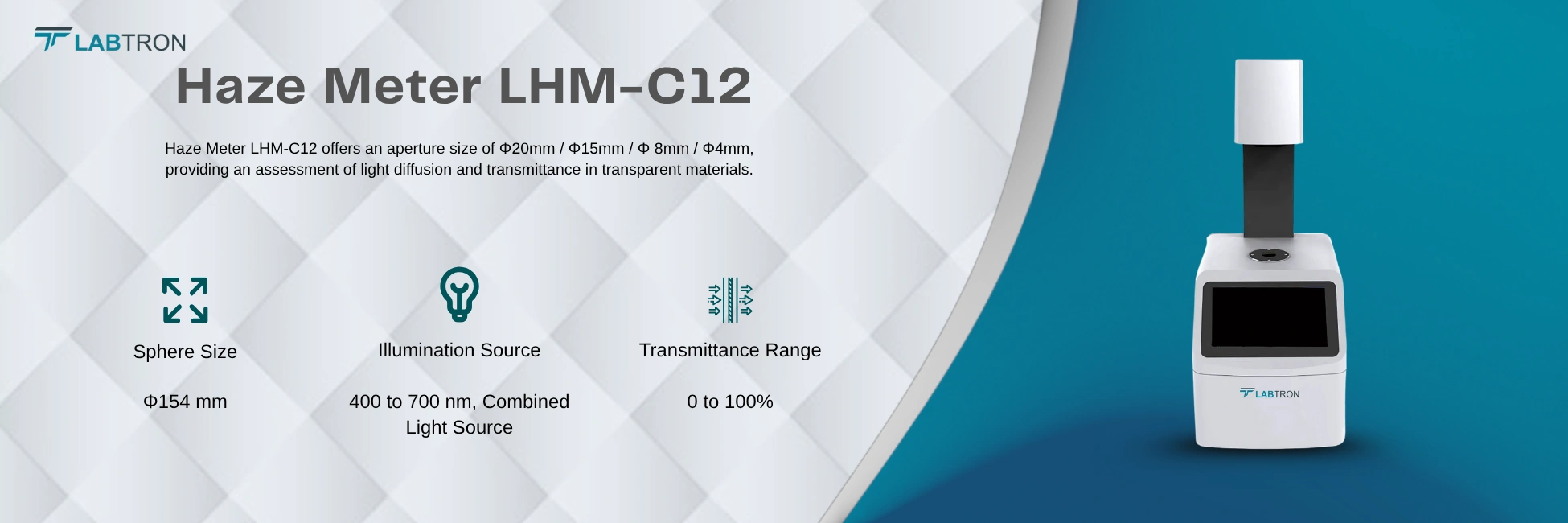
| Sphere Size | Φ154 mm |
| Illumination Source | 400 to 700 nm, Combined Light Source |
| Inductor | PD Array Detector CIE (λ) 2 Degree Visual Response |
| Transmittance Range | 0 to 100% |
| Sample Size | Thickness <170mm |
| Other Indices | Haze (ASTM D1003/1044, ISO 13468), Transmittance T ASTM |
| Viewing Angle | 2° |
| Illuminants | D 65, A, C |
| Measurement Time | 1.5 second |
| Haze Resolution | 0.01 unit |
| Haze Repeatability | Φ20 mm, within 0.1 |
| Inter- Instrument Error | Φ20 mm, with 0.4 |
| Data Storage | Standard: 1000, Sample: 20000 |
| Operating Temperature | 0°C to 40°C |
| Storage Temperature | -20°C to -50°C |
| Power Consumption | 24 V DC, 3A Power Adapter |
| Dimensions (L× W× H) | 290× 211 × 511 mm |
| Weight | 7.6 kg |
Spectral Transmittance Analysis
Multiple Light Sources
Quick Measurement Time
Low Power Consumption
Automatic Measurement Initiation
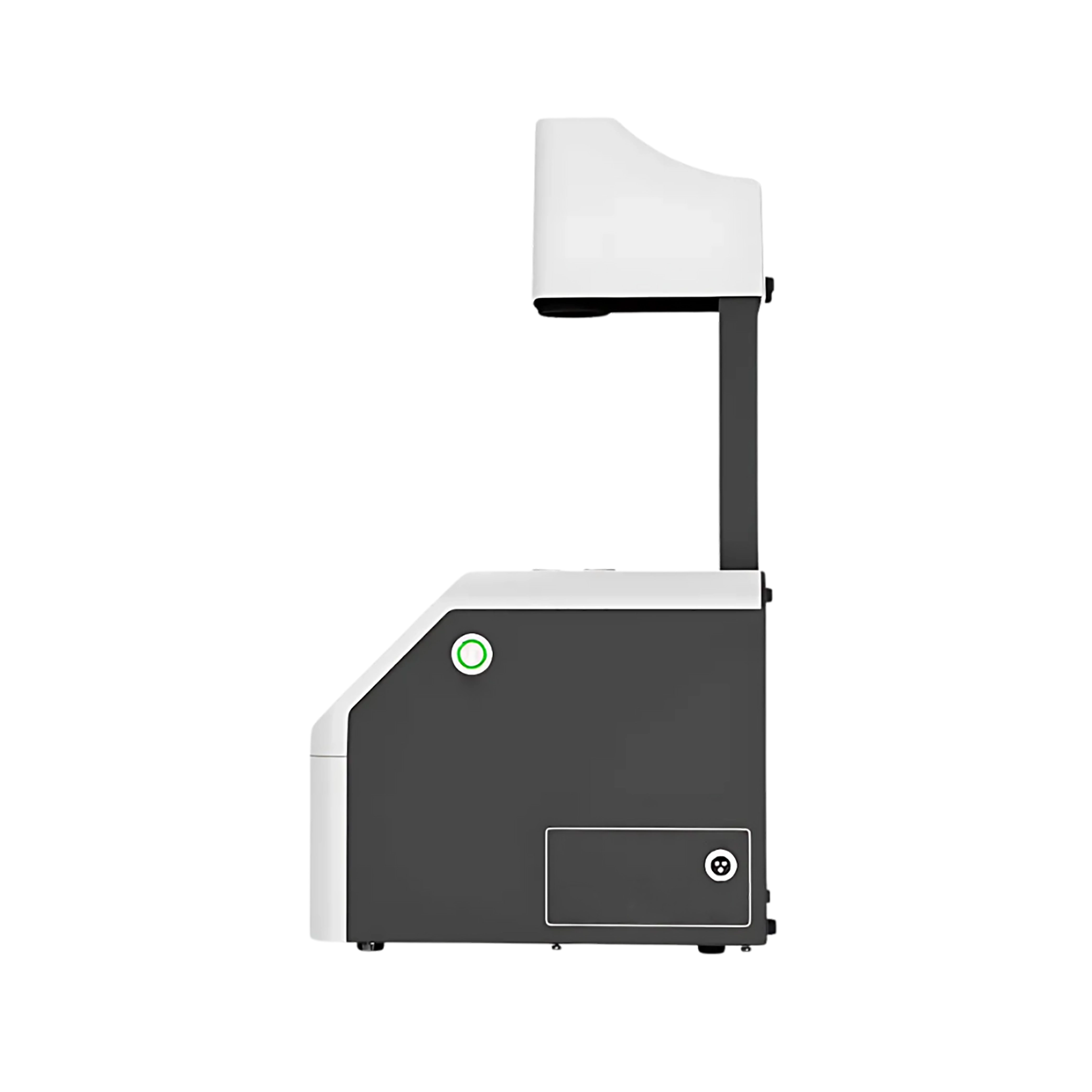
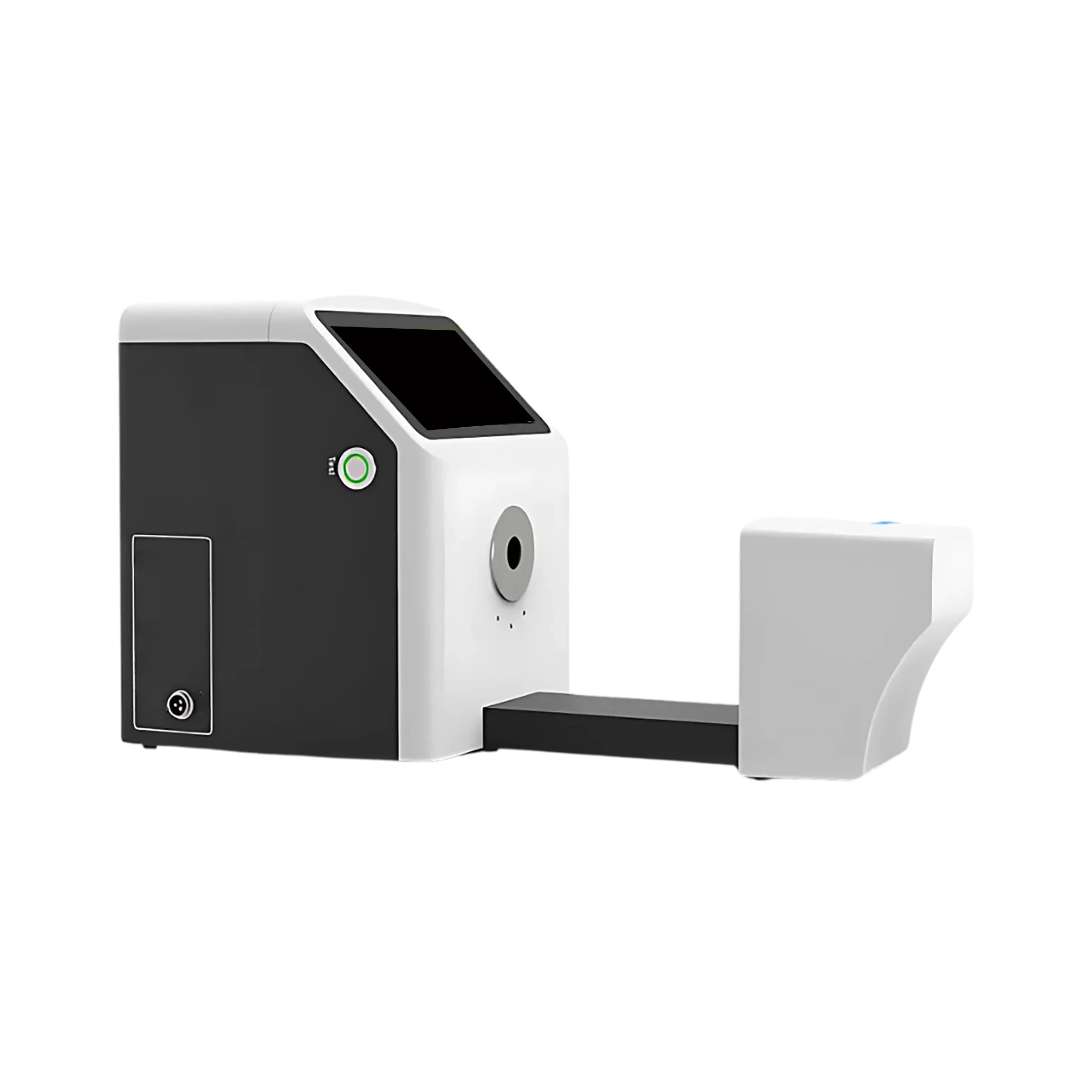
Haze Meter C-12 quantifies the degree of light scattering and light transmittance in transparent or translucent materials. It plays a key role in various sectors like packaging and automotive by measuring the optical properties of electronic displays such as LCD and OLED screens.
Accessories Name | Quantity |
0 % Calibration Box | 1 |
Measuring Caliber | 1 |

Labtron Haze Meters offer unmatched accuracy and effectiveness for assessing transparency in a variety of items. They have intuitive software, touch screens that are easy to operate, and streamlined procedures. Their diverse light sources provide versatility, and their open measuring surfaces may handle a range of sample sizes. These include extensive color analysis and adaptable fixtures to improve quality control. Our haze meters are crucial for accurate transmittance and clarity testing because of their enormous storage capacity.

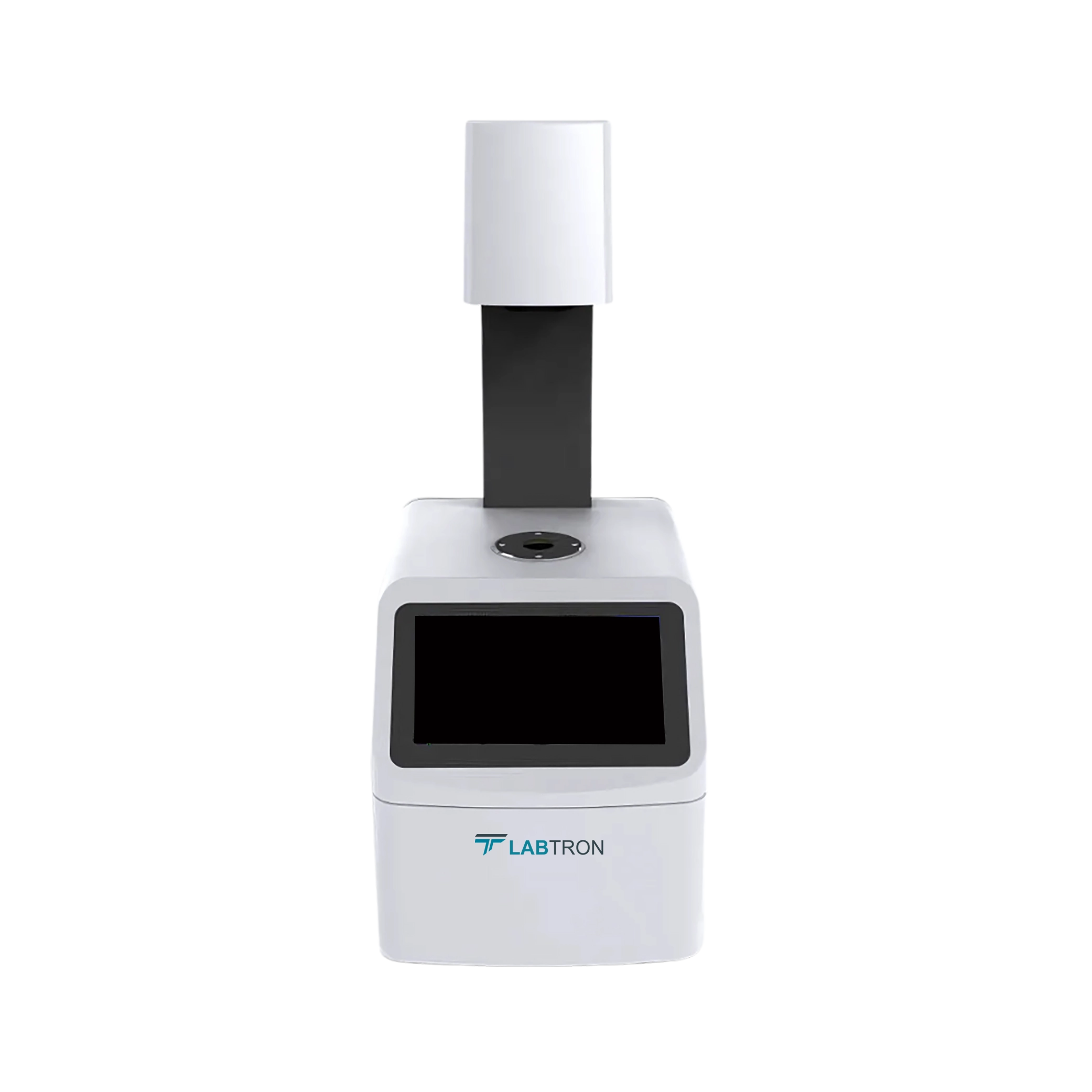


Labtron haze meters are ideal for testing the transparency and surface quality of lenses, screens, and protective films used in electronics and optics. These components demand ultra-low haze to ensure visual clarity and responsiveness. The precision optical system can detect micro-scattering that affects touch sensitivity or color accuracy. It supports the development and inspection of smartphone covers, camera lenses. Our models often include clarity evaluation modes for even more detailed assessment. These measurements guide engineers in selecting materials and surface treatments that minimize distortion. The haze meter thus contributes to both quality and functional performance.
Yes haze meters can evaluate the effectiveness of anti-fog coatings by measuring changes in haze before and after environmental exposure. These coatings aim to minimize moisture-induced scattering, especially in eyewear, vehicle windows, and packaging films. Labtron meters detect haze increases caused by condensation or failure of the coating under humidity. Testing is often done before and after simulated fogging conditions. By comparing haze values, manufacturers can assess the coating’s durability and performance. Labtron instruments help refine formulations and validate anti-fog treatment processes. Reliable haze detection ensures that clarity remains consistent under real-world use.
Labtron haze meters are suitable for testing products composed of multiple materials-such as laminated glass, layered films, or composites—where each layer may influence overall haze. The device measures total light scattering caused by all layers combined, reflecting the material's final optical behavior. It allows comparisons between single-layer and multi-layer versions of the same material to isolate the impact of additives or adhesives. This is particularly important in safety glazing, automotive windows, and display films. Our haze meters ensure that layering does not compromise clarity. They help manufacturers balance performance with visual quality in complex constructions.
Labtron haze meters are effective in assessing optical uniformity across large-area transparent materials such as architectural glass, display panels, and sheet plastics. By taking haze measurements at multiple points, users can detect inconsistencies in manufacturing such as streaks, uneven coatings, or thermal gradients. Our models offer precise repeatability to ensure that changes in haze readings reflect real material variation, not measurement error. For large samples. We provide adjustable fixtures or positioning aids to ensure consistent alignment. This supports quality control in industries where visual uniformity is critical. Accurate haze mapping enhances both product appearance and functionality.
Labtron haze meters are designed for stable operation, but environmental conditions such as ambient light, temperature, and humidity can still affect results. Direct sunlight or overhead lighting may interfere with the optical system if the sample chamber is not properly shielded. High humidity can lead to condensation on optics or test samples, increasing haze values artificially. Temperature fluctuations can cause minor expansion or drift in internal components. Labtron addresses these issues with light-sealed chambers, thermal insulation, and built-in compensation algorithms. However, users are advised to operate the device in a controlled lab environment for the most accurate readings.
Post your question?
Our experts are here to help!
Labtron Equipment Ltd., Quatro House, Lyon Way, Camberley, Surrey GU16 7ER United Kingdom
Email: info@labtron.com Whatsapp: +44 73 4441 2688 Phone: +44 2080 043608