info@labtron.com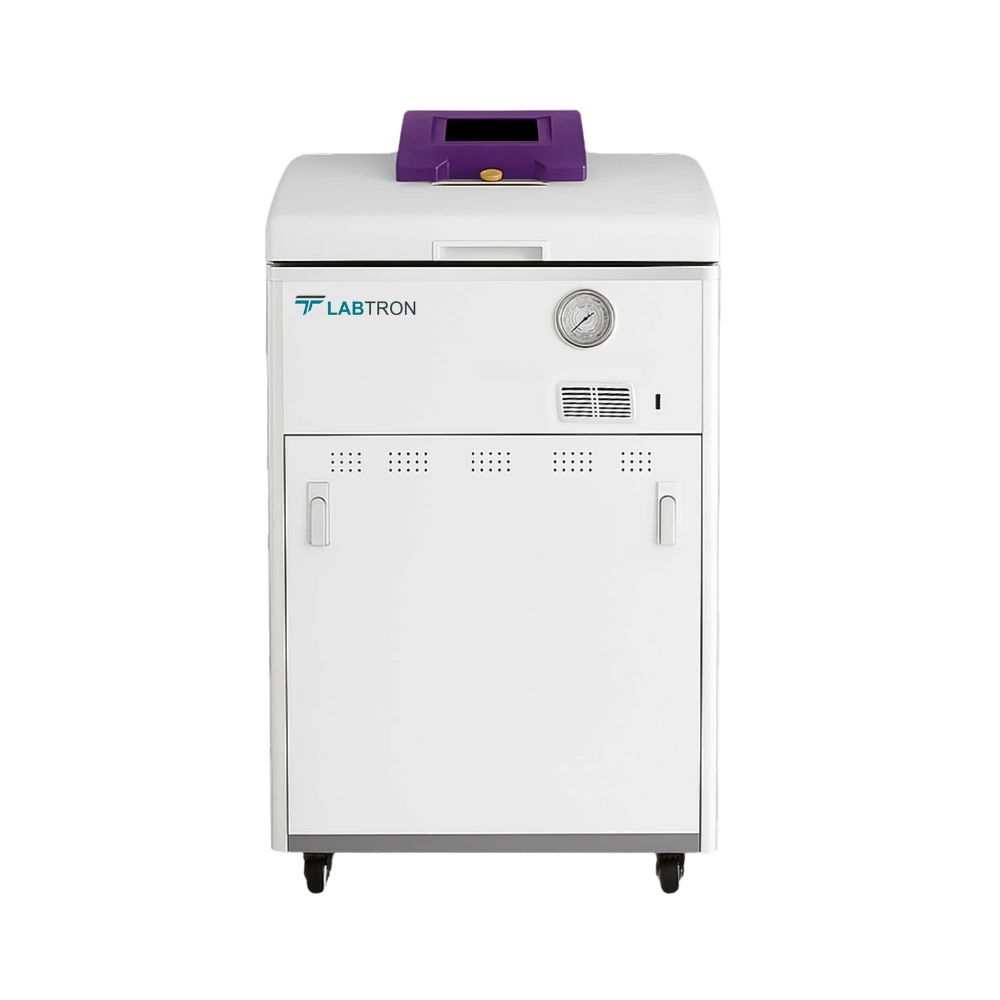

| Capacity | 30 L |
| Working Temperature | 50 °C to 134 °C |
| Working pressure | 0.217 MPa |
| Working environment | 5 °C to 45 °C |
| Relative Humidity | 10% to 85% |
| Time Setting Range | 0 to 99 h |
| Chamber Thickness | 2.0 mm |
| Power Consumption | 3500 W |
| Power Supply | 220 V, 50/60 Hz |
| Chamber Dimension | Φ350×400 mm |
| Packing Dimension | 790 × 670 × 1160 mm |
| Dimension | 550 × 620 × 1070 mm |
| Net Weight | 92 Kg |
| Gross Weight | 95 Kg |
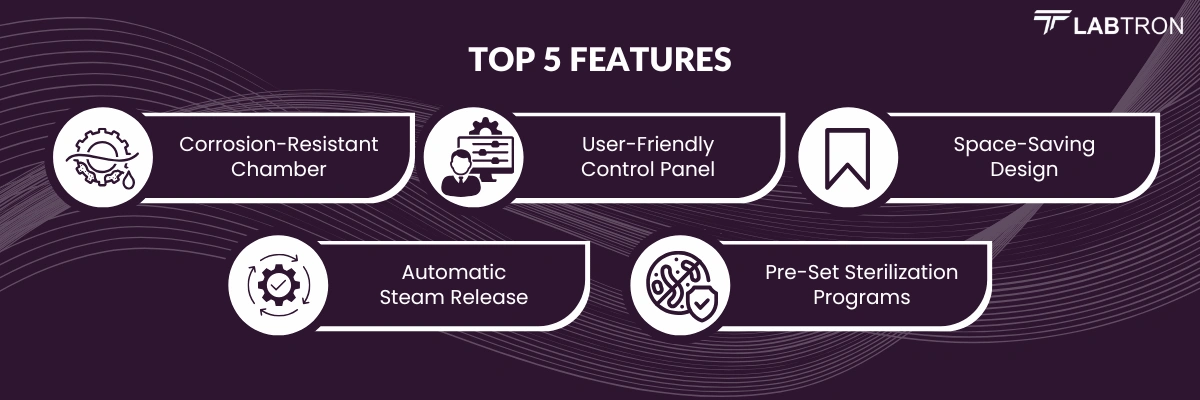
Corrosion-Resistant Chamber
User-Friendly Control Panel
Space-Saving Design
Automatic Steam Release
Pre-Set Sterilization Programs
Our Autoclave features a water level indicator for proper steam generation, it is used to safely sterilize surgical instruments, lab glassware, culture media, biohazardous waste, textiles, and medical equipment.
Download catalog for
Vertical Autoclave LVA-E11 Catalog
Available Range :
Vertical Autoclave LVA-C13 : 100 L Vertical Laboratory Autoclave LVA-G13 : 100L Vertical Autoclave LVA-L12 : 110 L Vertical Autoclave LVA-C14 : 120 L Vertical Autoclave LVA-C15 : 150 L Vertical Autoclave LVA-N13 : 200 L Vertical Autoclave LVA-N10 : 200L Vertical Autoclave LVA-E10 : 30 L Vertical Autoclave LVA-C10 : 35 L Vertical Laboratory Autoclave LVA-G10 : 35L Vertical Laboratory Autoclave LVA-K14 : 40 L Vertical Autoclave LVA-C11 : 50 L Vertical Laboratory Autoclave LVA-G11 : 50L Vertical Autoclave LVA-L21 : 54 L Vertical Laboratory Autoclave LVA-K10 : 60 L Vertical Autoclave LVA-C12 : 75 L Vertical Laboratory Autoclave LVA-G12 : 75L Vertical Laboratory Autoclave LVA-K11 : 80 L Vertical Autoclave LVA-L11 : 85 L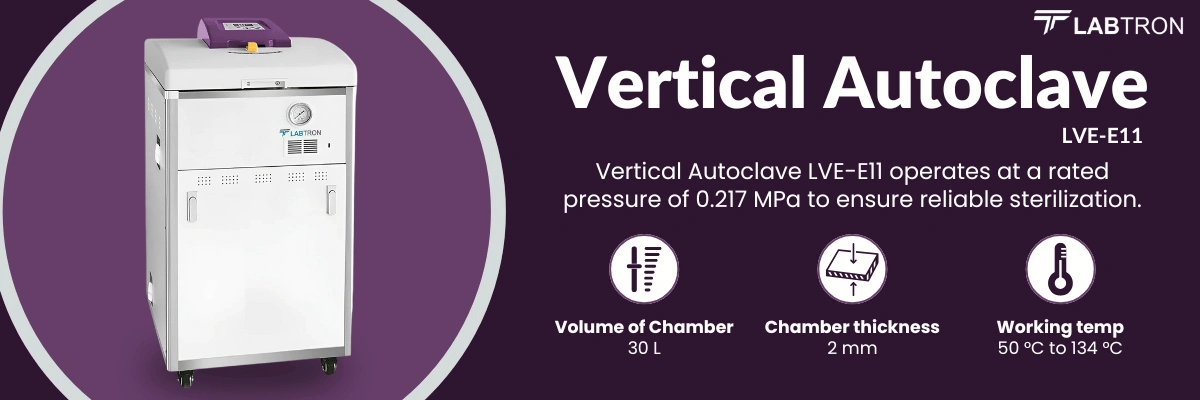
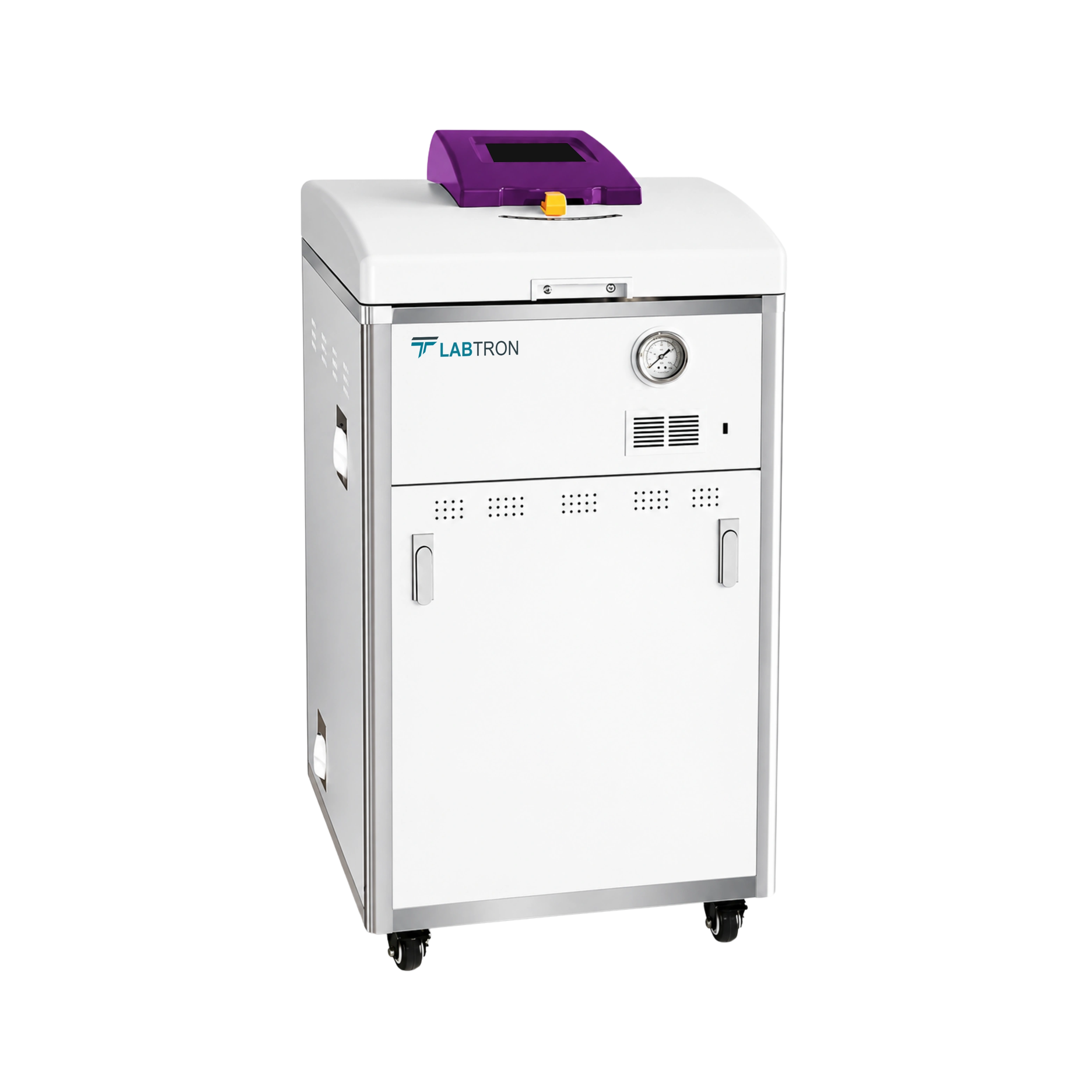
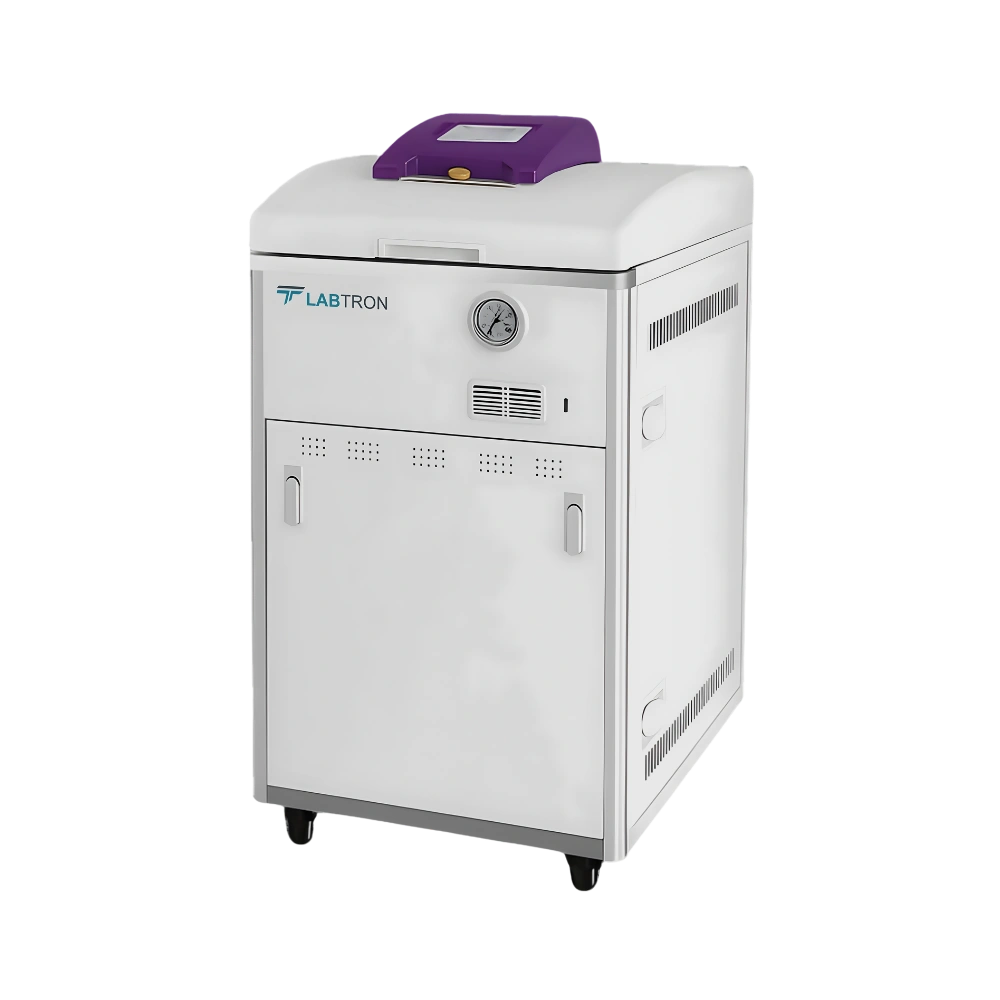
Labtron Vertical Autoclave provide upright design, high pressure steam sterilizer at working temperature of 134℃. Their orientation makes loading and unloading more convenient and efficient. They feature sensors and automatic shut off system enhancing safety by preventing overeating during operation. Their programmable controls enable automatic operation, managing heating, sterilization and cooling phases efficiently. Our Vertical Autoclave effectively eliminates pathogens from glassware and media, ensuring infection control in healthcare settings.

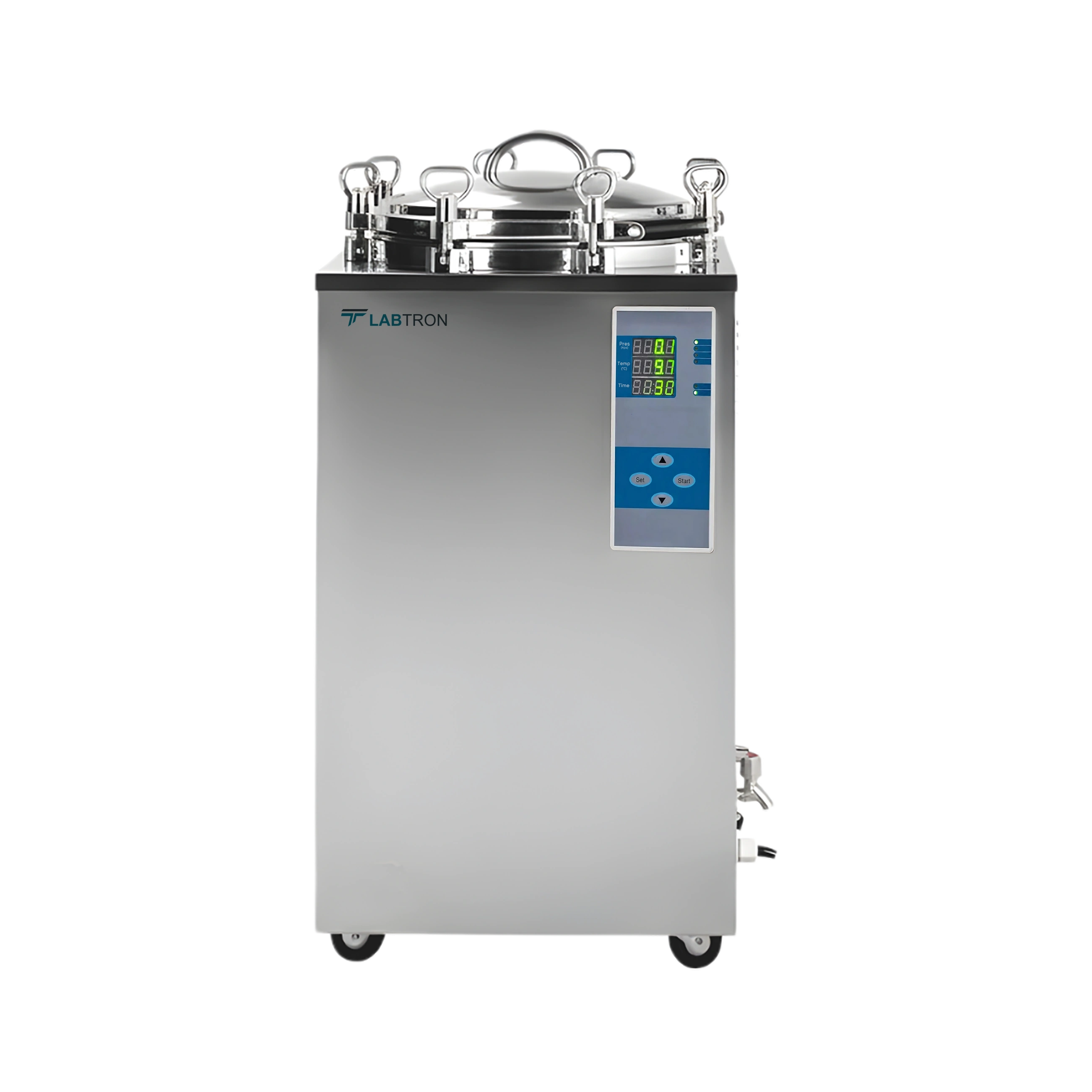
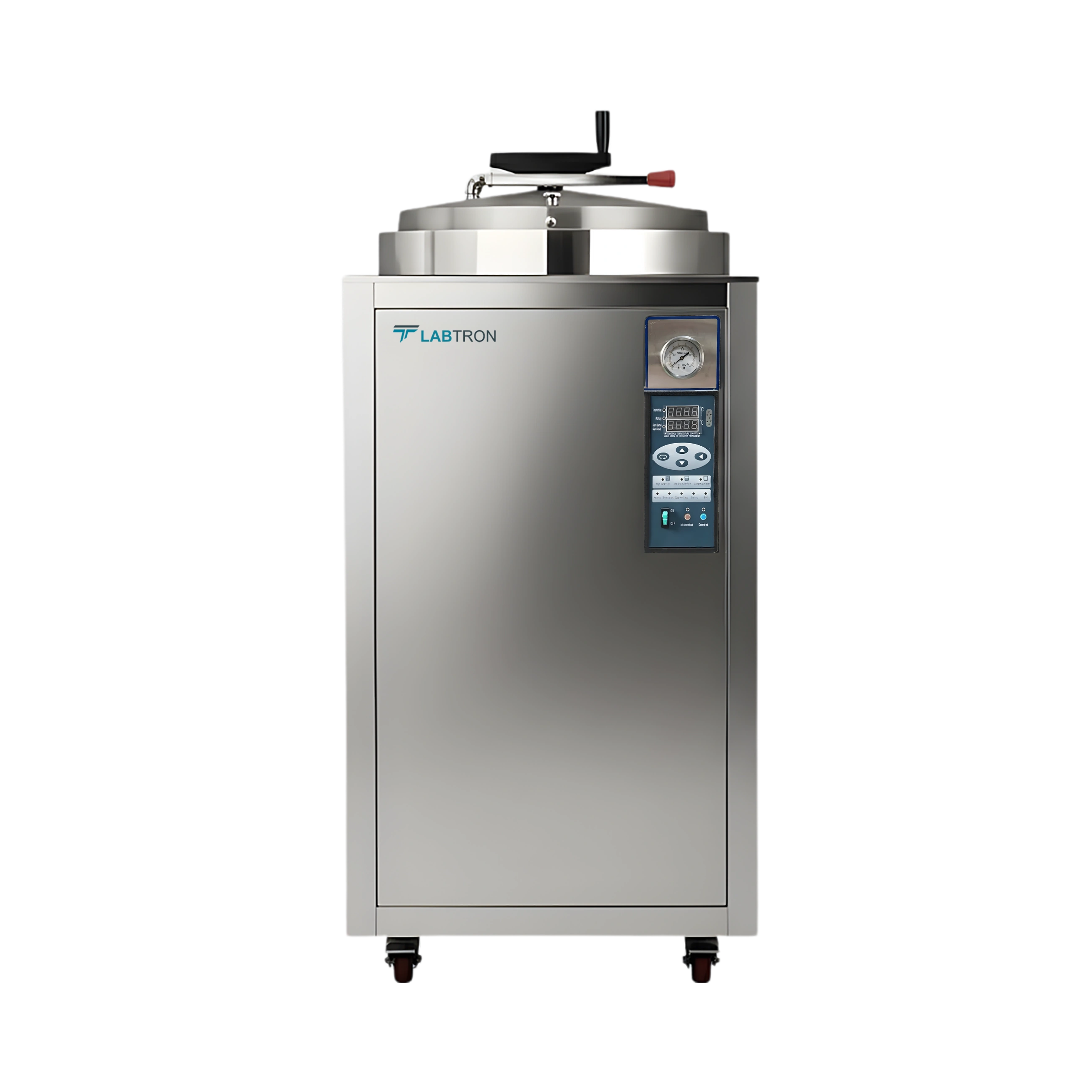

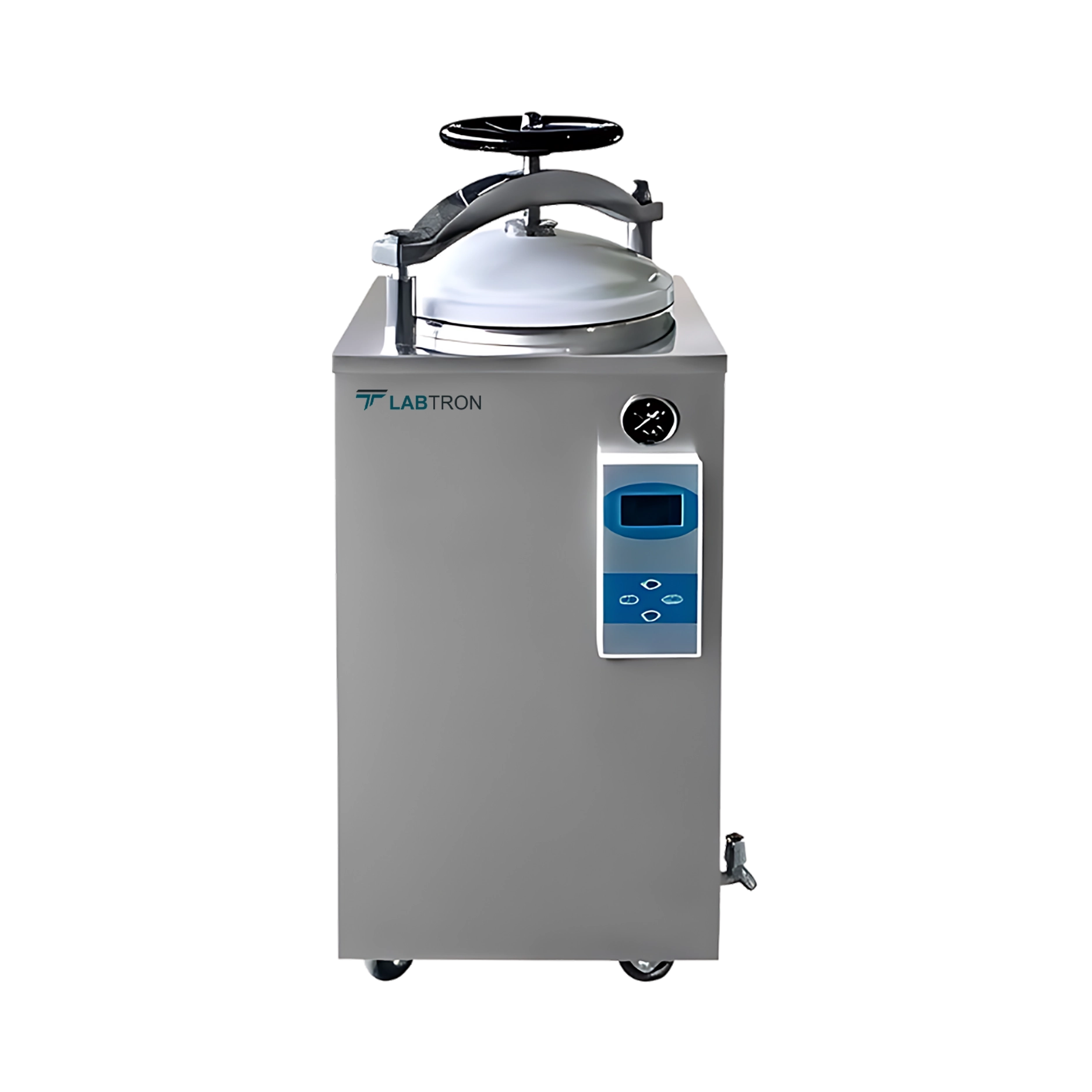
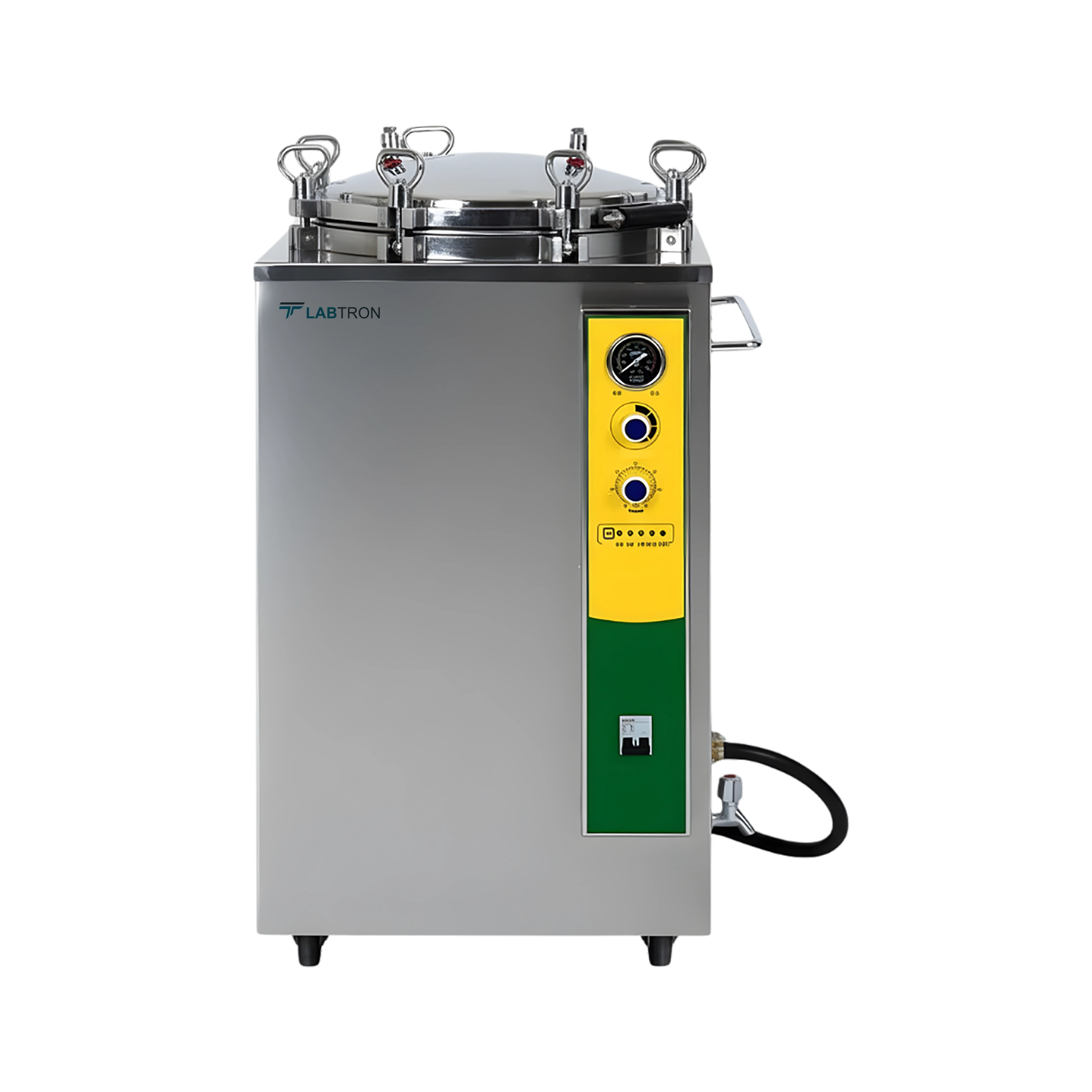
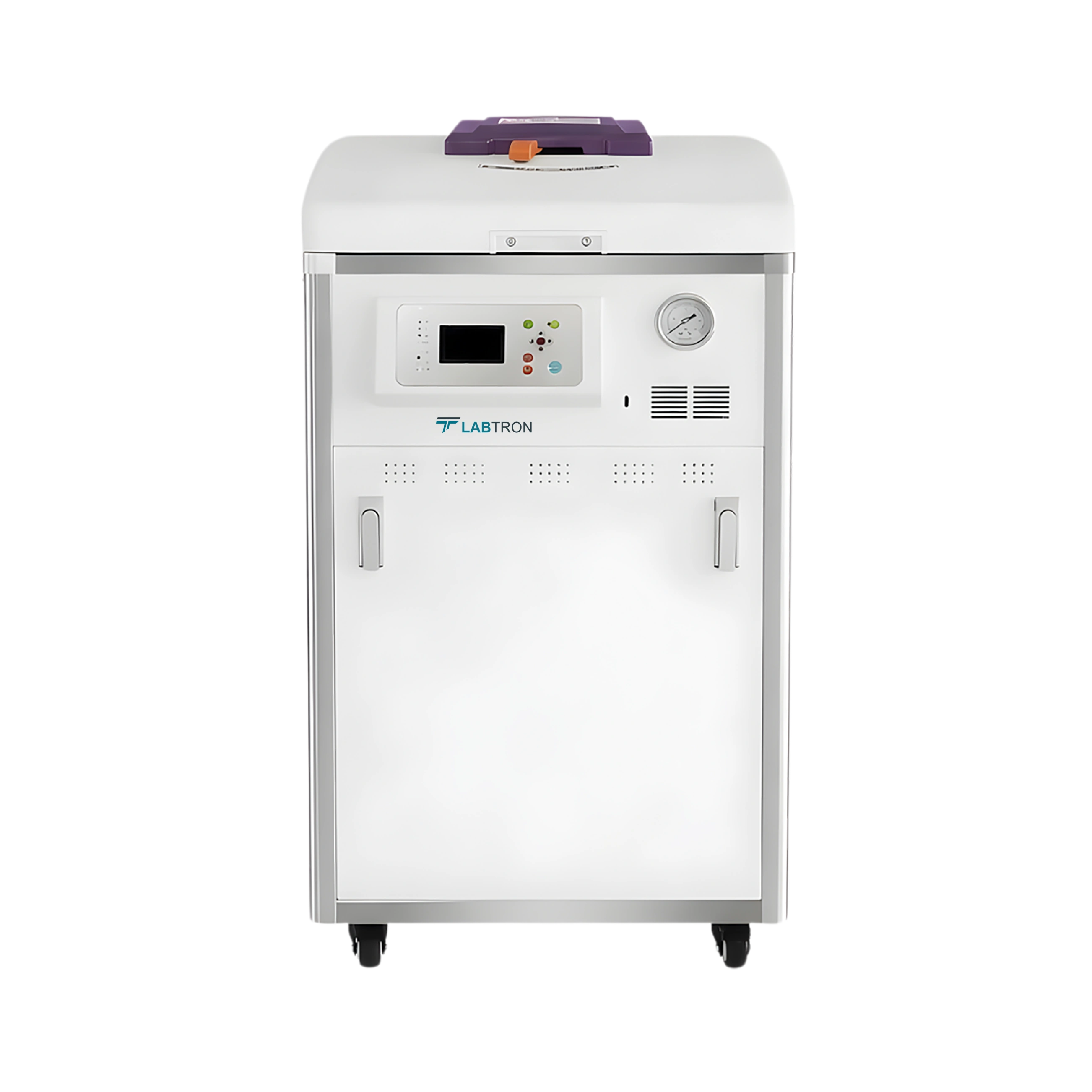

A vertical autoclave is a sterilization device designed in an upright, vertical configuration. It uses high-pressure saturated steam at temperatures typically between 121°C to 134°C to sterilize equipment, instruments, and waste. The steam penetrates materials placed inside the autoclave chamber, effectively killing bacteria, viruses, spores, and other microorganisms by denaturing their proteins. The vertical design saves floor space and often features a front-loading door or lid that opens upward, making it suitable for laboratories, hospitals, and clinics with limited space.
Vertical autoclaves are suitable for sterilizing heat- and moisture-resistant materials such as stainless-steel instruments, glassware, and certain plastics. However, they are not recommended for heat-sensitive items like certain plastics, electronics, or powders that may be damaged by steam or high temperatures. Using the wrong sterilization method can compromise the integrity and functionality of delicate items. Therefore, it is important to identify the material type before selecting the sterilization process to ensure safety and effectiveness.
Yes. Vertical autoclave can safely sterilize liquids like culture media. The steam sterilization process ensures that harmful microorganisms in the liquids are destroyed without compromising the integrity of the media, making it suitable for laboratory use in microbiology and pharmaceutical applications. Proper temperature and pressure control are essential to prevent overheating or boiling over of the liquids during the cycle. Additionally, vertical autoclave often include specialized trays or containers to hold liquids securely and ensure even steam penetration.
Yes. Vertical autoclave can sterilize materials wrapped in sterilization pouches or containers. Steam can penetrate these packages to sterilize the contents while maintaining sterility until use, which is essential for surgical and clinical applications. It is important to use appropriate packaging materials that allow steam penetration but prevent contamination after sterilization. Proper loading and cycle selection also ensure thorough sterilization without damaging the packaging.
Yes, if proper containers and cycle parameters are used. Vertical autoclave require careful loading of liquids in vented containers to allow steam penetration and prevent boiling over or spills. Specialized liquid sterilization programs with controlled temperature ramp-up are often available. It is crucial to avoid overfilling containers to reduce the risk of spills during sterilization. Additionally, placing containers on trays that allow steam circulation helps ensure even sterilization. Proper handling after the cycle is important to allow liquids to cool gradually and avoid sudden boiling.
Post your question?
Our experts are here to help!
Labtron Equipment Ltd., Quatro House, Lyon Way, Camberley, Surrey GU16 7ER United Kingdom
Email: info@labtron.com Whatsapp: +44 73 4441 2688 Phone: +44 2080 043608