info@labtron.com

| Glass Vessel Volume | 2 L Cylindrical |
| Glass Vessel Lid Diameter | Φ 150 mm |
| Jacketed Volume | 250 ml |
| Dropping Funnel | 250 ml |
| Temperature Range | -80℃ to 250 ℃ |
| Temperature Measurement Accuracy | +/-1℃ |
| Stirring Speed | 0 to 1400 rpm |
| Vacuum Degree | 0.0098 Mpa |
| Power Consumption | 40 W |
| Power Supply | 220V/50Hz |
| Condenser Dimension (D×H) | 40×350 mm |
| Dimensions (W×D×H) | 330×350×1300 mm |
| Weight | 23 kg |
Low thermal expansion glass
Vacuum-compatible double sealing
Integrated vacuum release valve
Corrosion-proof jacket coating
Variable-speed magnetic stirring
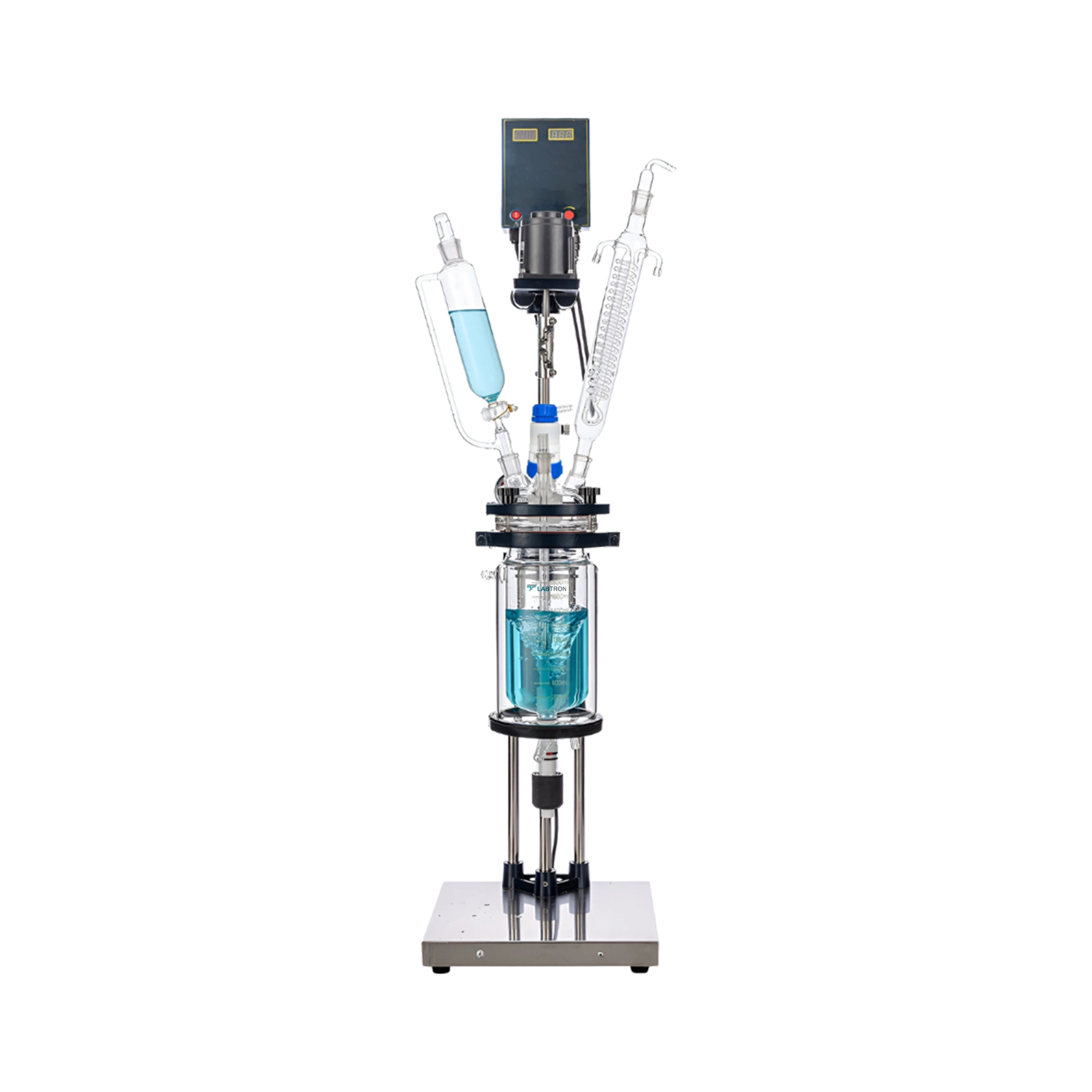
Jacketed Glass Reactor LJGR-A19 enables controlled synthesis, distillation, and concentration in labs. This reactor provides stable temperature control and safe handling for various chemical and research processes.
Download catalog for
Jacketed Glass Reactor LJGR-A19 Catalog
Available Range :
Jacketed Glass Reactor LJGR-A10 : 1 L Cylindrical Jacketed Glass Reactor LJGR-B21 : 10 L Jacketed Glass Reactor LJGR-A22 : 10 L Cylindrical Jacketed Glass Reactor LJGR-B24 : 100 L Jacketed Glass Reactor LJGR-A26 : 100 L Cylindrical Jacketed Glass Reactor LJGR-B26 : 100L Jacketed Glass Reactor LJGR-A27 : 150 L Cylindrical Jacketed Glass Reactor LJGR-A11 : 2 L Cylindrical Jacketed Glass Reactor LJGR-B22 : 20 L Jacketed Glass Reactor LJGR-A23 : 20 L Cylindrical Jacketed Glass Reactor LJGR-B25 : 200 L Jacketed Glass Reactor LJGR-A28 : 200 L Cylindrical Jacketed Glass Reactor LJGR-A12 : 3 L Cylindrical Jacketed Glass Reactor LJGR-A24 : 30 L Cylindrical Jacketed Glass Reactor LJGR-B20 : 5 L Jacketed Glass Reactor LJGR-A50 : 5 L (Cylindrical) Jacketed Glass Reactor LJGR-A17 : 5 L Cylindrical Jacketed Glass Reactor LJGR-A13 : 5 L, Cylindrical Jacketed Glass Reactor LJGR-B23 : 50 L Jacketed Glass Reactor LJGR-A25 : 50 L CylindricalJacketed Glass Reactor supports controlled mixing with adjustable stirring speed, ensuring consistent reaction dynamics in varied experiments. They maintain thermal stability using a jacketed layer for fluid circulation without exposing the medium. Their borosilicate glass build withstands thermal stress and chemical exposure over time. These systems include a display panel for monitoring key parameters during operation. Our glass reactor is suited for synthesis, distillation, extraction, crystallization, and pharmaceutical development.

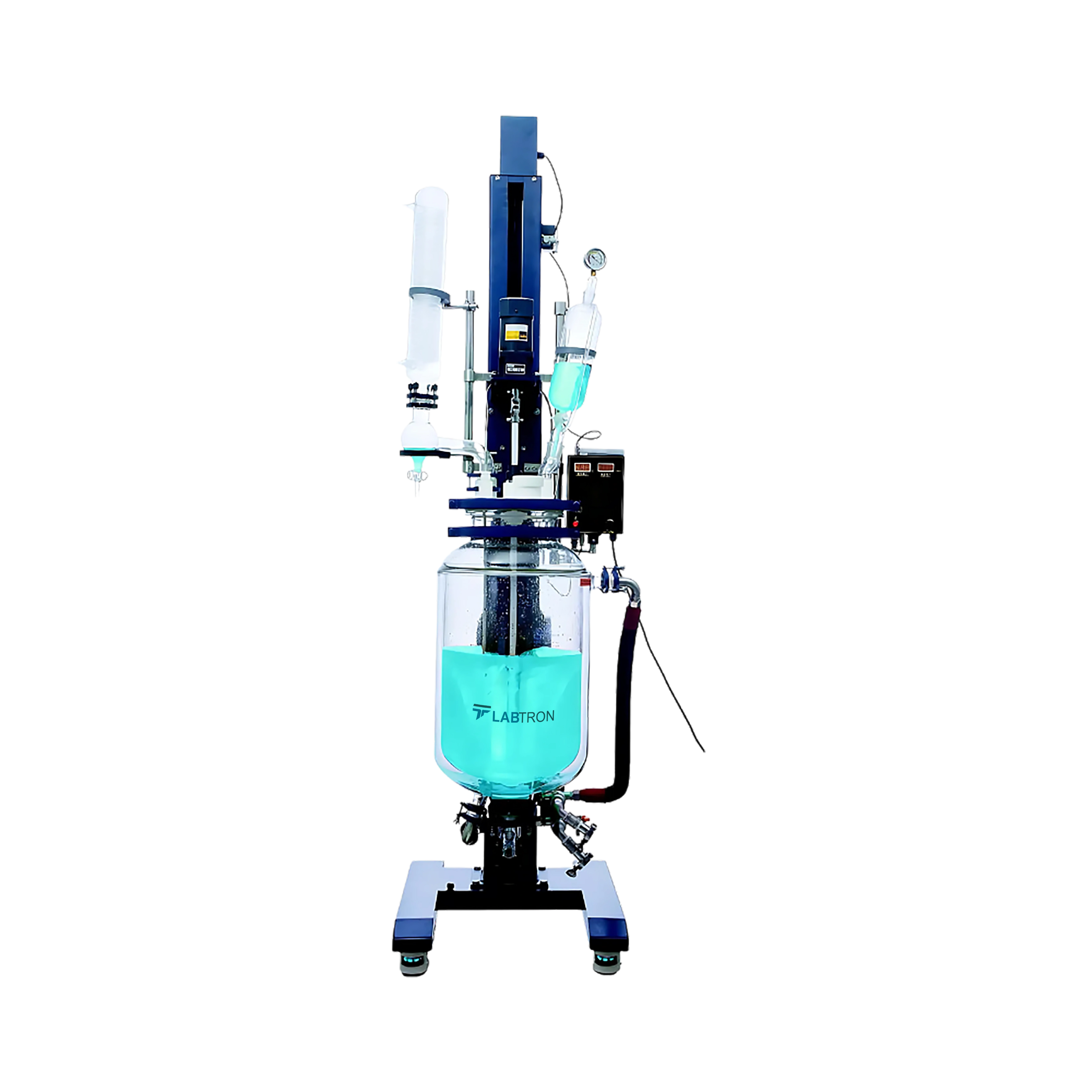


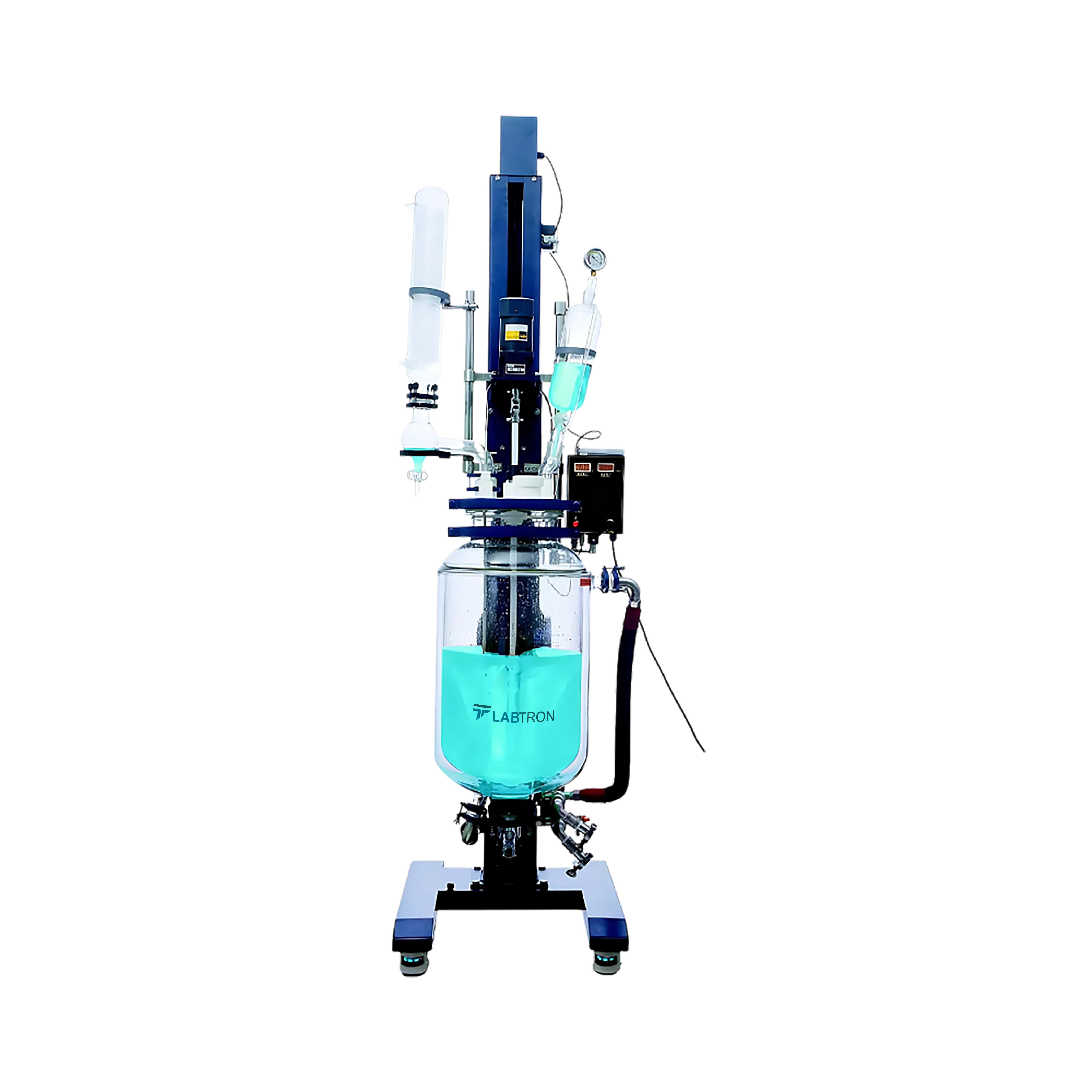

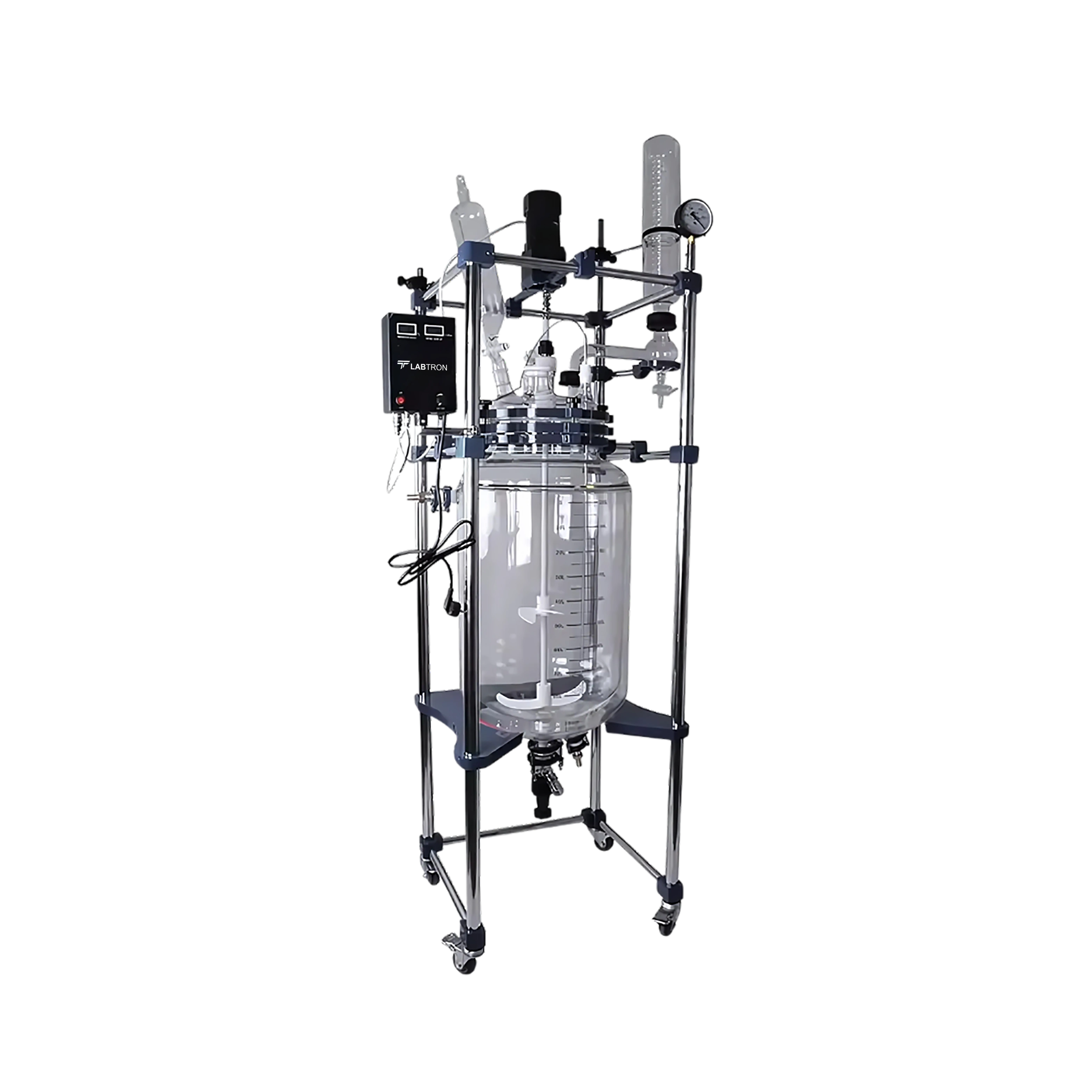
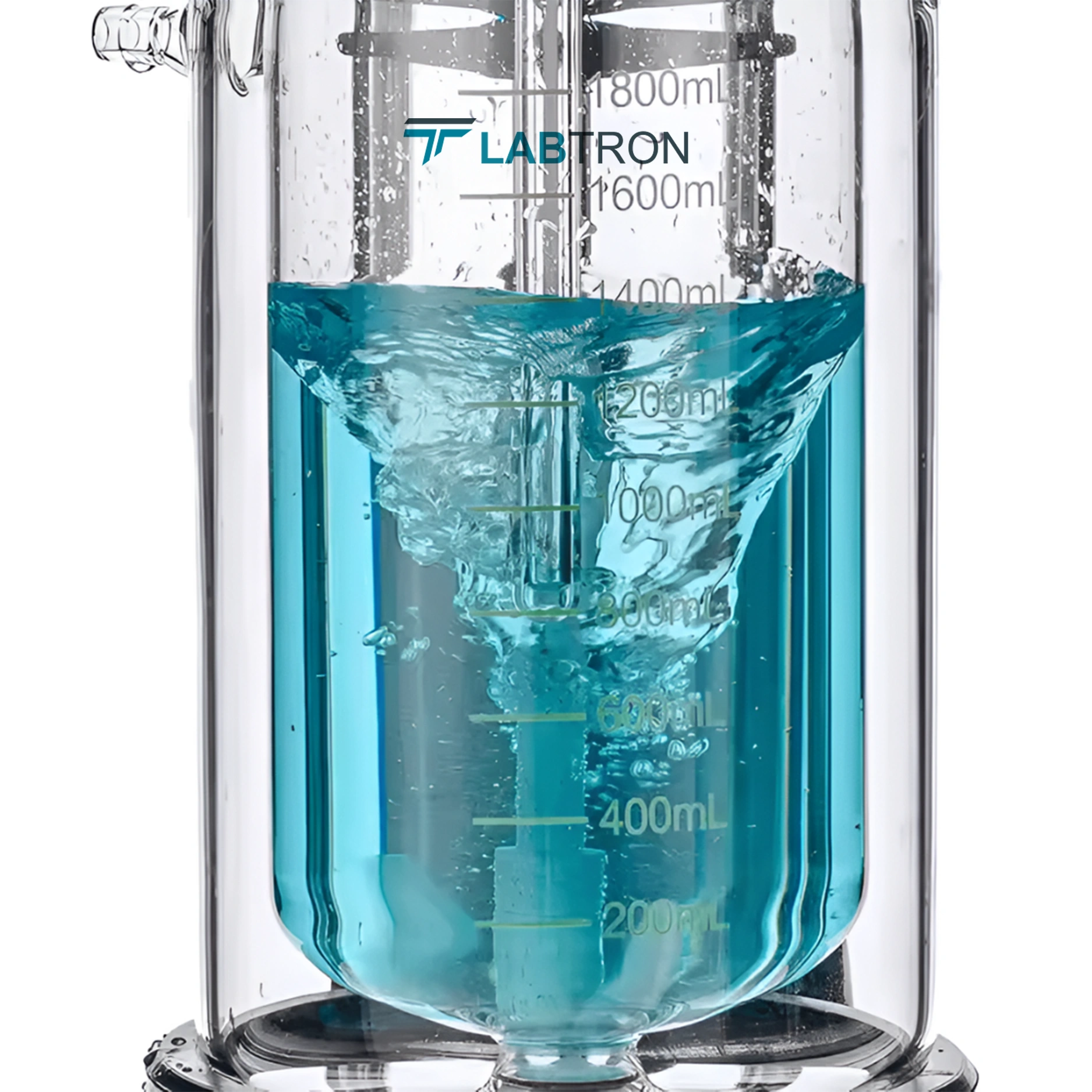
The jacketed glass reactor uses a fluid circulation system within its double-layer jacket to maintain stable temperatures over extended durations. This setup prevents sudden thermal shifts that might disrupt reaction pathways or damage heat-sensitive compounds. By circulating a heat transfer fluid around the inner vessel, it ensures even thermal distribution and eliminates localized hot or cold spots. The outer jacket acts as insulation, improving energy retention and reducing thermal losses. This allows the jacketed glass reactor to support a wide range of conditions where temperature consistency is critical. Users can fine-tune fluid temperature to match exact reaction parameters. As a result, experiments can run uninterrupted while maintaining reproducibility and control.
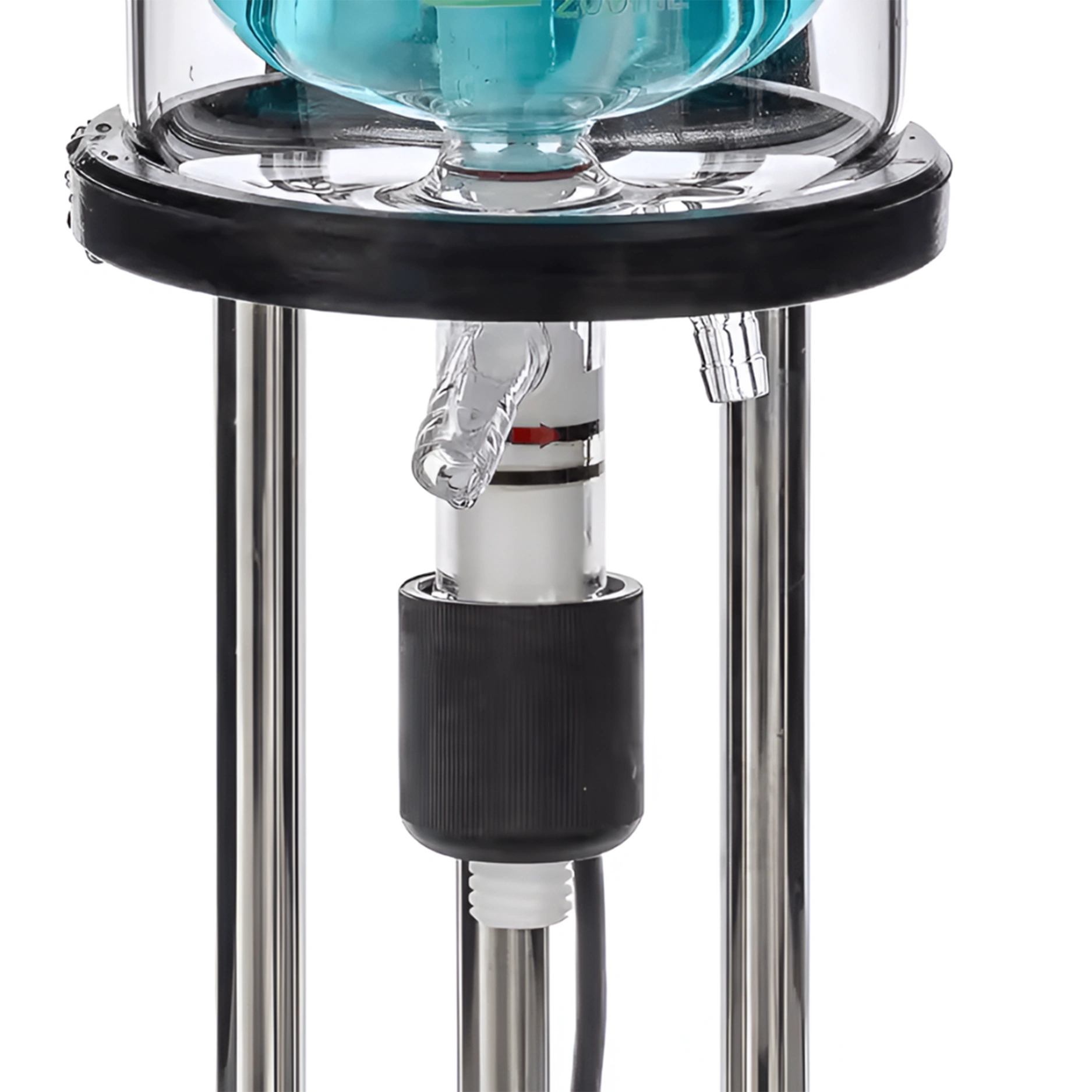
Our jacketed glass reactor features a dual sealing system made from chemically resistant materials to ensure airtight vacuum retention during use. These seals block air ingress, which is essential for oxygen- or moisture-sensitive reactions. The system is built to endure repeated vacuum cycles without degradation, ensuring lasting reliability. All ports and joints are tightly sealed to prevent leaks and maintain a controlled internal atmosphere. This enables the jacketed glass reactor to facilitate reactions that require reduced pressure, such as vacuum distillations and solvent evaporation. By keeping the internal environment stable, it protects volatile compounds and maintains experimental integrity from start to finish.
Labtron’s jacketed glass reactor is constructed from high borosilicate glass, known for its excellent resistance to chemical corrosion and thermal stress. This material prevents interactions with reactive or caustic compounds, helping preserve sample integrity and purity. Reinforced joints and stable connections are designed to withstand mechanical and chemical stress in demanding environments. The jacketed glass reactor also tolerates frequent cleaning with strong solvents without compromising structural integrity. Its chemical durability expands its use across fields like pharmaceuticals, metallurgy, and chemical synthesis. Even under aggressive exposure, the reactor maintains long-term reliability and safety for high-performance applications.
The jacketed glass reactor includes a dropping funnel designed for slow, controlled reagent addition, minimizing reaction shocks or hazardous conditions. This method allows precise control over reaction kinetics by preventing sudden concentration changes and thermal fluctuations. The funnel's capacity enables gradual addition over extended periods, supporting long syntheses without workflow interruption. Positioned for efficient mixing, it ensures even reagent distribution in the main solution. This promotes uniformity and minimizes localized reactions. With the dropping funnel, the jacketed glass reactor provides both safety and consistency—key factors for replicable results in sensitive procedures or scale-up scenarios.
The jacketed glass reactor features an adjustable-speed stirring system to meet various experimental requirements. Proper agitation ensures homogeneous mixing, preventing sedimentation and uneven distribution of reagents that could impact reaction success. Its motor is designed for smooth operation, reducing stress on glass joints and seals. Users can select gentle or vigorous stirring based on the protocol, ensuring compatibility with delicate and high-energy reactions alike. Continuous stirring improves heat transfer across the reaction mixture, maintaining consistent internal conditions. The jacketed glass reactor’s stirring function enhances completeness and reproducibility, making it a versatile tool for synthesis and material processing.
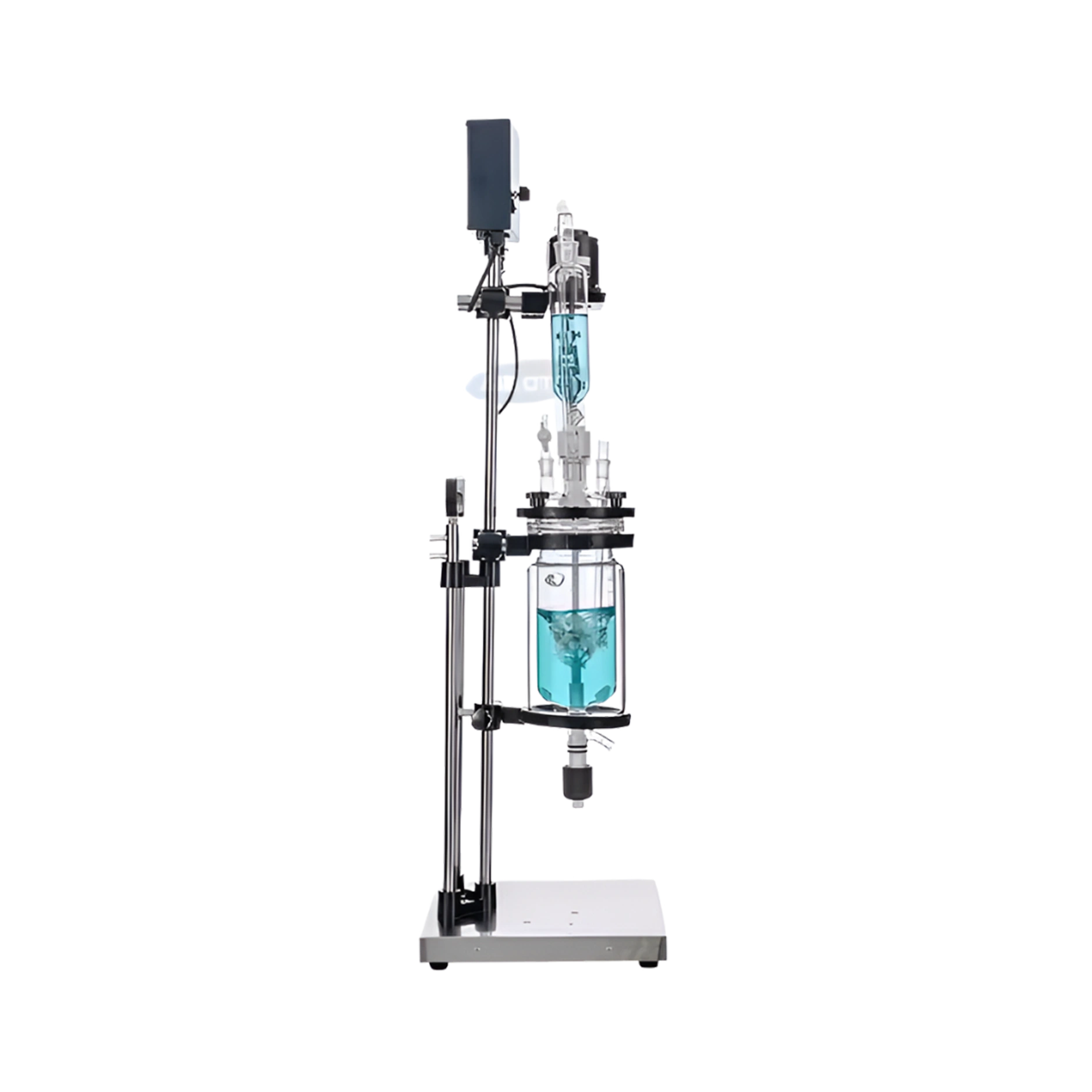
Our jacketed glass reactor provides advanced features not found in basic glass setups, including a dual-layer jacket for superior thermal control and a vacuum sealing system for reduced-pressure operations. The integrated dropping funnel allows precise reagent addition, an essential function for complex chemical syntheses. Its robust borosilicate construction offers resistance to chemical and thermal stress, ensuring a longer lifespan and broader application range. The jacketed glass reactor combines multiple functions—temperature control, vacuum compatibility, and mixing—into one system, eliminating the need for separate equipment. This space-saving, multifunctional design enhances safety, reproducibility, and operational flexibility in both research and industrial settings.
Post your question?
Our experts are here to help!
Labtron Equipment Ltd., Quatro House, Lyon Way, Camberley, Surrey GU16 7ER United Kingdom
Email: info@labtron.com Whatsapp: +44 73 4441 2688 Phone: +44 2080 043608